Democratic Republic of Congo Reports Nearly 600 Confirmed Ebola Cases
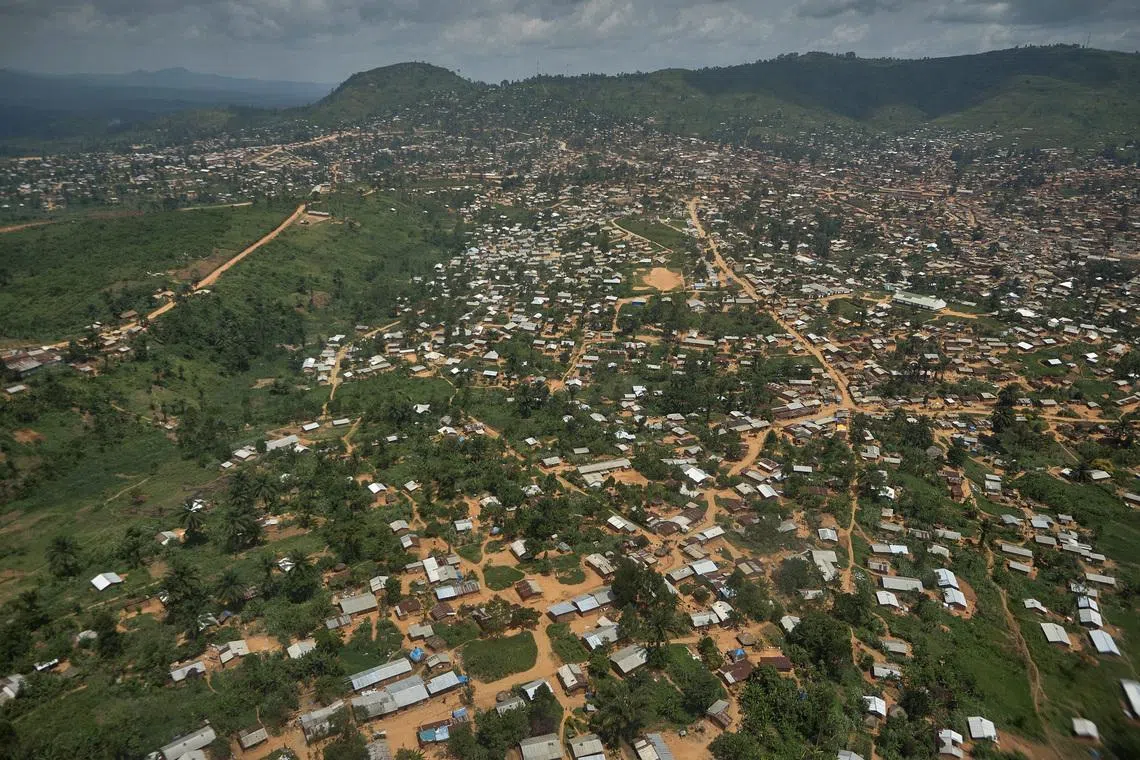
An Ebola outbreak caused by the rare Bundibugyo strain has spread across eastern Democratic Republic of Congo and into Uganda, with confirmed cases nearing 635 and at least 115 deaths as of early June 2026. The outbreak went undetected for weeks because standard field tests could not identify the Bundibugyo strain, and it is concentrated in conflict-ridden Ituri province where armed groups, community mistrust, and supply shortages are severely hampering the response. The WHO has declared a public health emergency of international concern, and a $518 million joint WHO–Africa CDC emergency plan has been launched, but experts warn the outbreak could surpass the 2014–2016 West Africa epidemic in scale without a dramatically stronger intervention.
The Ebola Bundibugyo outbreak, declared by the Democratic Republic of Congo on May 15 and elevated to a WHO public health emergency of international concern on May 17, has grown rapidly into one of the largest Ebola outbreaks on record, with confirmed cases reaching approximately 635 and at least 115 deaths across Ituri, North Kivu, and South Kivu provinces, plus a smaller cluster in neighboring Uganda. The Bundibugyo strain is particularly challenging because it has no approved vaccine or treatment, its genome differs significantly from the more common Zaire strain, and standard GeneXpert field tests failed to detect it, allowing the virus to spread undetected for potentially months before confirmation in mid-May. Contact tracing coverage remains below the 80–90 percent threshold considered adequate, sitting around 61–64 percent, while over 520 incidents targeting health workers have been reported since the outbreak was declared, and armed conflict has cut off entire communities from responders. Frontline clinics in Ituri lack basic supplies including gloves, protective gowns, Ebola tests, and clean water, and a church-run orphanage in Bunia became a focal cluster after a newborn whose mother died of Ebola was admitted, resulting in at least two infant deaths and infections among caregiving nuns. The WHO and Africa CDC have launched a six-month, $518 million 'One-Response' plan, and the U.S. State Department has committed more than $200 million, but experts including former USAID officials warn that the dismantling of USAID and the U.S. withdrawal from WHO have removed critical early-warning networks, pre-positioned supply stockpiles, and experienced personnel, contributing to a delayed and under-resourced response. The U.S. CDC has modeled that without strong interventions the outbreak could reach 20,000 cases by August, potentially exceeding the 2014–2016 West Africa epidemic.
What's missing
No source provides detail on the clinical outcomes or case-fatality rate specifically for the Bundibugyo strain in this outbreak compared to historical Bundibugyo outbreaks. The status and timeline of Bundibugyo-specific vaccine candidates in development are mentioned only in passing without clinical-trial stage details.
How coverage differed
Left-leaning outlets (Vox, The Intercept, PBS NewsHour, KFF Health News) and centrist outlets (STAT News, Deutsche Welle) prominently frame the outbreak as a consequence of the Trump administration's dismantling of USAID and withdrawal from the WHO, featuring extensive expert testimony attributing delayed detection and inadequate response to those policy decisions. The Washington Examiner and The Hill, by contrast, emphasize the U.S. government's financial contributions and the acting CDC director's denial that aid cuts hampered the response, largely omitting the structural critiques raised by former USAID and WHO officials.
What different sources said
- The Straits TimesCenter
No boots and masks running out: Why Congo’s Ebola medics are exposed
- KFF Health NewsCenter
‘We Live With Fear’: In Congo, Doctors Face Ebola With Little Protection
- STAT NewsCenter
Health workers at the epicenter of Congo’s Ebola outbreak labor with little pay or rest
- The Japan TimesCenter
No boots, masks running out: Why Congo’s Ebola medics are exposed
- The HillCenter
CDC chief: 'No evidence' USAID cuts hampered Ebola response
- ReutersCenter
Congo’s Ebola outbreak spreads to new health zone
- NPR NewsLeft
White House response to hantavirus and Ebola contrasts with COVID criticisms
- The TelegraphRight
Ebola testing kits run out as infections mount in Congo
- Human Rights WatchCenter
DR Congo: Engage Communities in Ebola Response
Ebola Outbreak in Congo Orphanage Highlights Child Health Risks
- NDTVCenter
Ebola Outbreak Congo: Newborn's Death Highlights Child Health Risks
- Health and MeCenter
Ebola Claims Two Orphaned Babies In Congo: How The Deadly Virus Spreads In Children
- SemaforCenter
State Department memo says US Ebola response beats China's
- MintCenter
World News Today Live Updates on June 11, 2026 : WHO revises Ebola risk assessment: Congo under 'very high' risk — Does India have cases?
- DevdiscourseCenter
Tragic Loss: Ebola Claims the Life of Baby Buswaza in DRC Orphanage
- News On AIRCenter
Ebola outbreak in Congo claims over 100 lives within a month
- AP NewsCenter
Congo’s Ebola outbreak rises to 100 deaths out of 550 cases after a month
- The IndependentLeft
Ebola death toll soars to 100 less than a month after outbreak declared
- BreitbartFar Right
Two Babies Die from Ebola in DR Congo Orphanage
- China DailyCenter
DR Congo Ebola cases rise to 635, recoveries reach 30: health minister
- ABC AustraliaCenter
Ebola outbreak grows to almost 600 confirmed cases
- Washington ExaminerRight
WHO rolls out $518 million program with Africa CDC to halt Ebola outbreak
- VoxLeft
We don’t know how the Ebola outbreak started. That’s a problem.
- Deutsche WelleCenter
Ebola in Africa: Why it's a constant threat
- The InterceptLeft
Trump Administration Tries to Shift Blame for Ebola Response
- PBS NewsHourLeft
How the loss of USAID has weakened the fight against Ebola
- South China Morning PostCenter
Asia on Ebola alert: could virus slip through region’s defences?
Ebola screening at TT borders
- NYT WorldLeft
Ebola Comes for Congo’s Most Vulnerable Children
In eastern Congo, trust becomes a key tool in addressing Ebola
Related

Chicago Woman's Five-Year Symptom Journey Leads to Rare Brain Tumor Diagnosis
Melony Aponte, 26, was diagnosed with a 4.5-centimeter acoustic neuroma after five years of symptoms she attributed to stress, COVID-19, and aging. The rare, noncancerous tumor—affecting roughly one in 100,000 people—had grown large enough to compress her hearing and balance nerve before it was identified via MRI in March 2025. Her case highlights how acoustic neuroma symptoms can mimic common conditions, potentially delaying diagnosis for years.

Study Finds Aging Shifts Walking Strategy Toward Stability at the Cost of Efficiency
A new study from Flinders University and the University of Canberra found that as people age, their bodies adopt a 'safety-first' walking pattern that prioritizes balance over efficient movement. Researchers analyzed gait data from 107 healthy adults aged 26 to 86, identifying increased ankle muscle co-contraction and reduced push-off power as key age-related changes. The findings suggest that fall prevention programs should target balance and coordination, not just muscle strength.

Tick Populations Surge in Urban Areas Across Northeast
Experts across the northeastern United States and Canada are warning of an unusually early and widespread tick season, with disease-carrying ticks increasingly found in urban parks and green spaces. Lyme disease cases in Canada reached a record 7,105 in 2025, up from 5,809 the previous year, while U.S. cities including Philadelphia, Pittsburgh, Washington D.C., and New York are reporting rising tick activity. The expansion poses a public health challenge because urban residents are less likely to take tick-bite precautions than those in rural areas.