Deion Sanders Describes Bladder Cancer Battle as 'Tumultuous,' Urges Early Detection

Colorado Buffaloes head coach Deion Sanders appeared on 'Good Morning America' to announce he is cancer-free following bladder cancer surgery and reconstruction. Sanders, who was diagnosed with an aggressive form of bladder cancer in 2025, had his bladder removed and a new one constructed from part of his intestine. His public candor about incontinence and early detection is drawing attention ahead of the upcoming football season.
Deion Sanders, the Pro Football Hall of Famer and University of Colorado head football coach, publicly confirmed this week that he has beaten bladder cancer, telling 'Good Morning America' that he is healthy, cancer-free, and has 'got my swagger back.' Sanders was diagnosed with an aggressive form of bladder cancer in 2025, discovered incidentally during a routine vascular exam related to his ongoing blood clot issues, which had previously led to the amputation of multiple toes. Treatment involved the complete removal of his bladder and reconstruction of a new one using a portion of his intestine, a procedure that left him dealing with urinary incontinence. Sanders spoke candidly about the emotional and physical toll, including waking up and grabbing his crotch to check whether he had wet himself before public appearances. He has since partnered with Depend, a maker of adult incontinence products, as a brand spokesman. Sanders credited early detection as critical to his favorable outcome and urged others to get evaluated proactively. With his health apparently stabilized, Sanders expressed enthusiasm about the upcoming football season, saying his primary focus is now on 'winning.'
How coverage differed
Both outlets covered the story factually and with similar tone, though Fox News provided more detailed background on Sanders' prior blood clot history and vascular surgeries, framing his health journey as a broader multi-year struggle, while Newsweek focused more tightly on the emotional and personal dimensions of the cancer experience.
What different sources said
Related

Chicago Woman's Five-Year Symptom Journey Leads to Rare Brain Tumor Diagnosis
Melony Aponte, 26, was diagnosed with a 4.5-centimeter acoustic neuroma after five years of symptoms she attributed to stress, COVID-19, and aging. The rare, noncancerous tumor—affecting roughly one in 100,000 people—had grown large enough to compress her hearing and balance nerve before it was identified via MRI in March 2025. Her case highlights how acoustic neuroma symptoms can mimic common conditions, potentially delaying diagnosis for years.
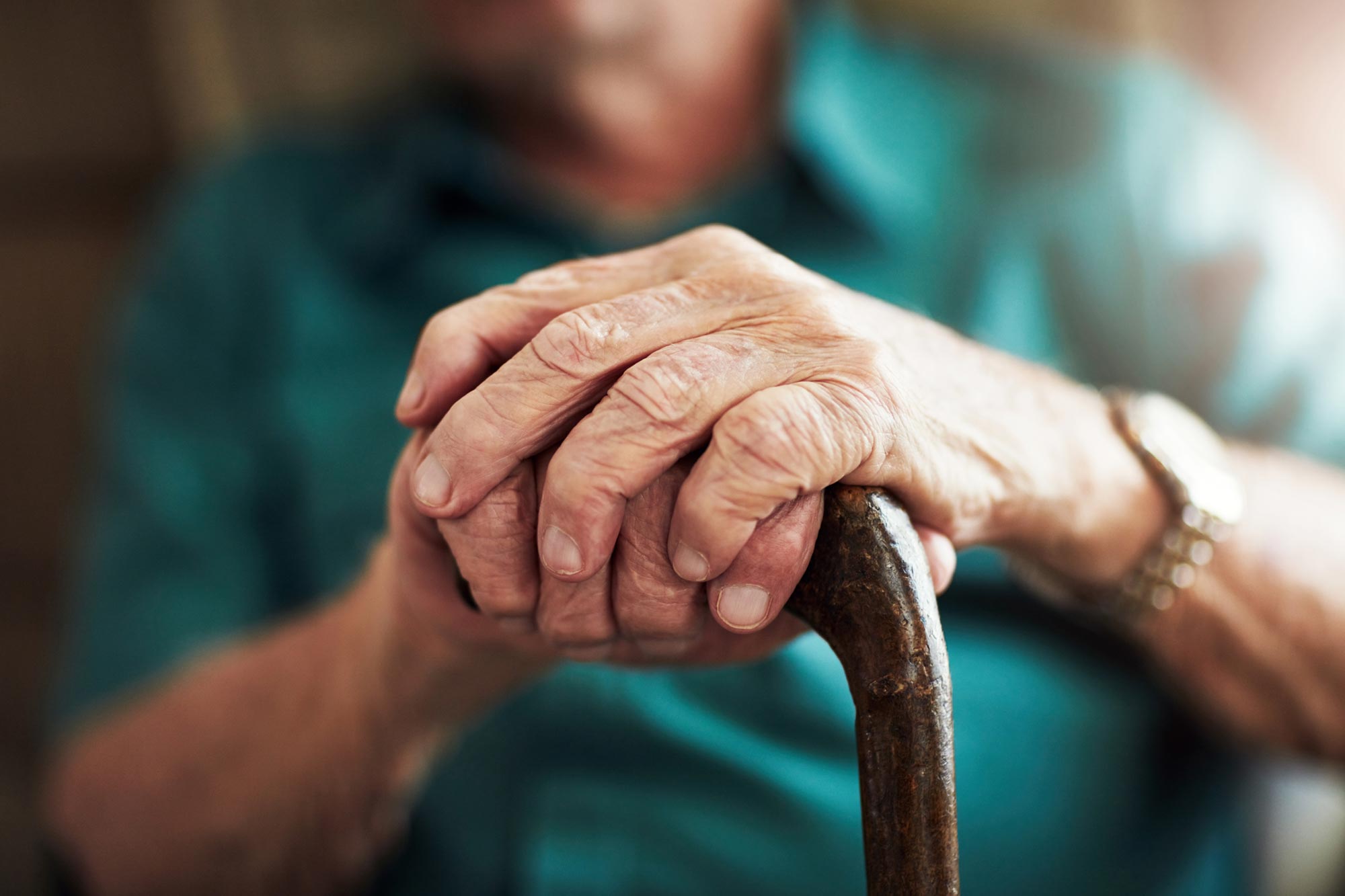
Study Finds Aging Shifts Walking Strategy Toward Stability at the Cost of Efficiency
A new study from Flinders University and the University of Canberra found that as people age, their bodies adopt a 'safety-first' walking pattern that prioritizes balance over efficient movement. Researchers analyzed gait data from 107 healthy adults aged 26 to 86, identifying increased ankle muscle co-contraction and reduced push-off power as key age-related changes. The findings suggest that fall prevention programs should target balance and coordination, not just muscle strength.

Tick Populations Surge in Urban Areas Across Northeast
Experts across the northeastern United States and Canada are warning of an unusually early and widespread tick season, with disease-carrying ticks increasingly found in urban parks and green spaces. Lyme disease cases in Canada reached a record 7,105 in 2025, up from 5,809 the previous year, while U.S. cities including Philadelphia, Pittsburgh, Washington D.C., and New York are reporting rising tick activity. The expansion poses a public health challenge because urban residents are less likely to take tick-bite precautions than those in rural areas.