Declining Fertility Rates: Why Research Focuses on Women Rather Than Men's Roles
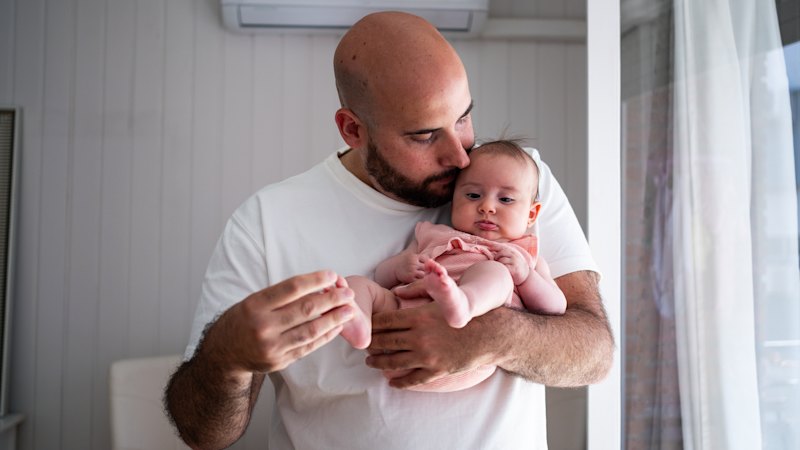
An opinion piece in the Sydney Morning Herald argues that public discourse about declining fertility rates disproportionately focuses on women's choices while largely excluding men's perspectives and motivations. The article cites demographic research showing that men are underrepresented in fertility studies and census data collection, creating an incomplete picture of reproductive decision-making. This knowledge gap allows for uninformed speculation and blame rather than evidence-based policy solutions.
The article examines why declining fertility rates—now below replacement level in Australia and many other countries—are framed almost exclusively as a 'women's problem.' According to Dr. Liz Allen, a demographer at the Australian National University, men are largely absent from fertility research and data collection, including historical census practices that only asked women about children in their households. This methodological gap means policymakers and the public lack comprehensive understanding of men's reproductive choices and motivations. The piece argues that without data on men's perspectives, the narrative defaults to a 'motherhood lens' and allows uninformed commentary—particularly from male podcasters and conservative voices—to fill the void with unsupported claims that women are selfishly withholding parenthood. The article identifies documented reasons for declining fertility among women, including cost of living, motherhood penalties, quality of life concerns, and environmental worries, but notes the absence of equivalent research on men's decision-making.
What's missing
The article does not provide specific data on current fertility rates in Australia or comparative international figures, nor does it cite particular studies demonstrating the extent to which men are excluded from fertility research. It also does not explore potential reasons why men might be underrepresented in such research historically, or discuss any recent efforts to address this gap.
What different sources said
- Sydney Morning HeraldCenter
Why aren’t women having children? Ask men
Related
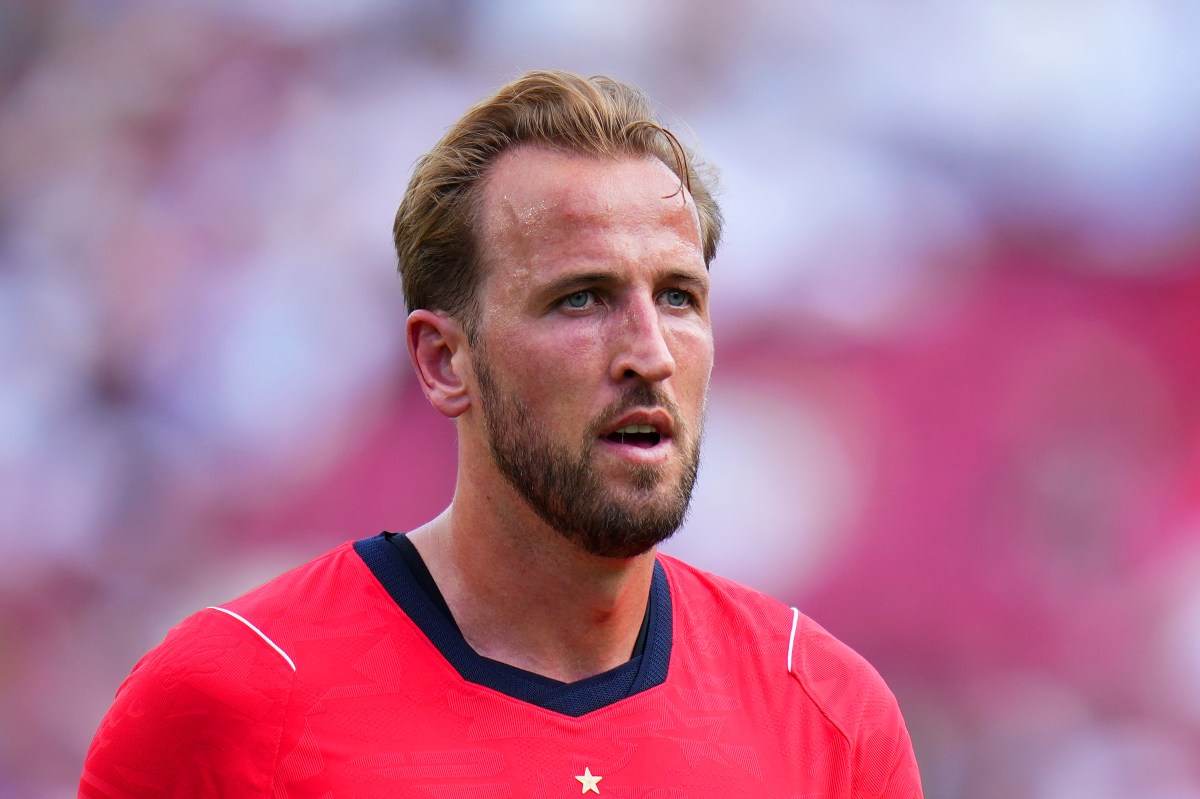
Harry Kane Names France, Argentina, Brazil, Spain as England's Main Threats at 2026 World Cup
England captain Harry Kane identified France, Argentina, Brazil, and Spain as the biggest threats facing the Three Lions at the 2026 FIFA World Cup, which begins June 11. Kane emphasized that success requires preparation to face multiple elite teams throughout the tournament, not just in a single match. Kane's assessment reflects England's position among tournament favorites alongside these nations, as the team seeks its first World Cup title since 1966.

Packers' Christian Watson Sets Ambitious Goals After $110 Million Contract Extension
Wide receiver Christian Watson signed a four-year, $110 million contract extension with the Green Bay Packers and outlined personal goals of 1,100+ receiving yards and double-digit touchdowns for the 2026 season. Watson has struggled with injuries throughout his career, appearing in just 48 games over four seasons and never exceeding 620 yards or seven touchdowns in a single year. The goals represent a significant step up from his recent performance but reflect the Packers' confidence in his potential.

Drew Bledsoe Warns Drake Maye to Manage Expectations After Patriots' Super Bowl Run
Former Patriots quarterback Drew Bledsoe cautioned Drake Maye about the intense pressure that follows a successful season, advising him to temper expectations after the Patriots nearly won the MVP and Super Bowl last year. Bledsoe, who was in a similar position at age 24 with New England before losing his starting job to Tom Brady, warned that high expectations can lead to unfair criticism. The advice comes as Maye heads into his third season facing a more challenging schedule than the Patriots' beneficial one from last year.