Decart Launches Oasis 3, a Photorealistic World Model for Autonomous Vehicle Simulation

AI startup Decart unveiled Oasis 3, an interactive world model that generates photorealistic driving environments in real time and is available via API at $0.02 per second. The model targets autonomous vehicle companies needing to simulate rare driving scenarios, and Decart is building a developer ecosystem around it following a $300 million funding round that valued the company at nearly $4 billion. The technology represents a significant step in physical AI applications, though testing reveals limitations in long-term scene coherence and object awareness.
Decart, a two-year-old AI startup, released Oasis 3, an interactive world model designed to generate photorealistic driving environments that users can interact with in real time. The model is built on Decart's foundation video model Lucy and leverages the company's proprietary DOS (Decart Optimization Stack) software to run efficiently on major cloud hardware providers, making it significantly cheaper to operate than competitors. Decart is initially targeting autonomous vehicle companies that need to simulate rare driving scenarios at scale, but plans to expand into robotics and other physical AI applications. The company recently raised $300 million from strategic investors including Toyota, Adobe, eBay, and Nvidia, bringing its valuation to nearly $4 billion. By offering API access from day one, Decart aims to build a developer ecosystem similar to OpenAI's approach with language models, leveraging its existing community of over 100,000 developers. However, testing revealed that while Oasis 3 produces highly photorealistic initial scenes from text prompts, the model degrades significantly over extended interactions and currently lacks object awareness.
What's missing
The sources do not provide information about Oasis 3's specific technical limitations regarding object awareness, the timeline for addressing these limitations, or comparative performance metrics against competitors like Google's Genie 3 and World Labs's Marble beyond subjective visual quality assessments.
What different sources said
- TechCrunchCenter
Decart’s new world model can simulate hours of photorealistic driving — with some caveats
Related

Tech Executives Claim China Funds Data Center Opposition, But Evidence Remains Scarce
Silicon Valley investors and Trump administration officials are promoting a theory that China is funding local opposition to U.S. data center construction, despite limited direct evidence. OpenAI did identify a small Chinese influence campaign using AI-generated content, but said its impact was minimal and the underlying debate existed independently. The claim is gaining traction in Washington despite 71% of Americans already opposing data centers in their communities for other reasons.
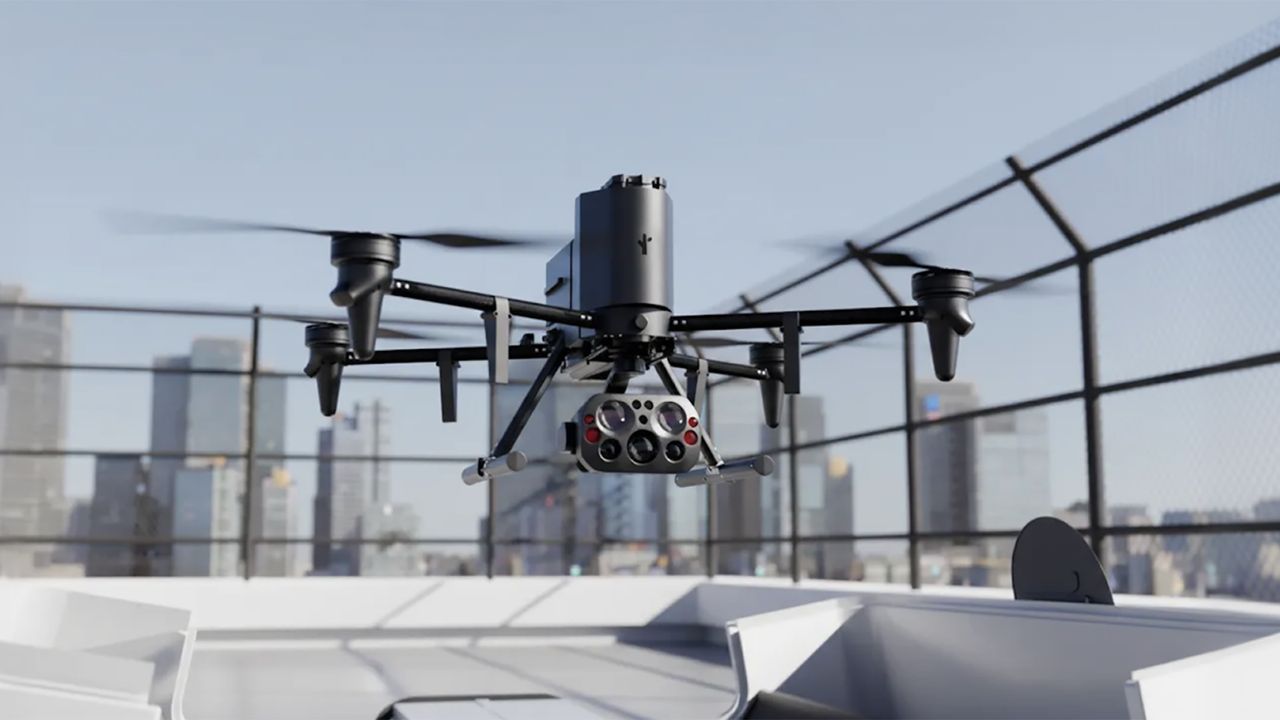
Stockton, California approves $3.15 million Flock drone program for emergency response amid privacy concerns
Stockton's city council approved a $3.15 million investment in Flock drones to serve as airborne first responders to 911 calls. The drones can arrive at incident scenes in 30 seconds to provide real-time information to officers, though the company has faced previous data-sharing controversies in other states. Residents and activists have raised concerns about surveillance, privacy, data control, and potential militarization of the police force.

Fable Reboot Showcases Living Population System with 1,000+ Voiced NPCs
Xbox Game Studios released a detailed gameplay video for the upcoming Fable reboot, highlighting its Living Population system featuring over 1,000 fully voiced NPCs with individual personalities and daily routines. The system allows players to interact with characters through dialogue choices, relationships, and actions that affect NPC perceptions and reputation across settlements. The game launches February 23 on Xbox Series X/S, PS5, and PC after previous delays.