Courts Increasingly Expect Lawyers to Fact-Check Opponents' Citations and Report AI Hallucinations
Judges in recent cases have admonished opposing counsel for failing to alert the court when their opponents cite non-existent or fabricated cases, particularly those generated by AI. This expectation challenges the traditional legal practice where attorneys focus primarily on their own arguments rather than verifying all opposing citations. The trend reflects growing judicial concern about maintaining the integrity of court proceedings as AI-generated legal briefs become more common.
A recent appellate case in New York (Landberg v. City of N.Y.) illustrates a shift in judicial expectations regarding attorney responsibilities. Presiding Justice Hector LaSalle expressed frustration that opposing counsel failed to flag multiple fabricated case citations in their opponent's brief, questioning why they didn't bring these errors to the court's attention. The judge emphasized that courts rely heavily on the bar's integrity and professionalism. Similar expectations have emerged in at least three trial court cases, according to legal analysis. While attorneys traditionally focused verification efforts on citations critical to their own arguments, judges now appear to expect broader fact-checking of opponent briefs, even for tangential points. This creates a practical dilemma for lawyers: verifying all citations requires time and expense, yet failing to do so may invite judicial criticism and potential bar discipline.
What's missing
The article does not provide information about whether any bar associations or judicial conferences have issued formal guidance or ethics opinions on this emerging expectation, nor does it clarify whether this represents a binding obligation or merely judicial preference.
What different sources said
- ReasonRight
Obligation to Cite-Check the Cases Cited by the Other Side and Report Errors to Court
Related

Majority of Makerfield voters say offensive social media posts would deter them from voting for candidates
A poll of 518 Makerfield voters found that 55% would be less likely to vote for a politician who posted offensive content online, while 31% said it would not influence their vote. The survey was commissioned by campaign group 38 Degrees ahead of a June 18 byelection in which Reform UK candidate Robert Kenyon has faced criticism for past offensive online posts. The findings suggest voters prioritize candidate conduct and also show strong support for policies including water renationalization, a wealth tax, and donation caps.
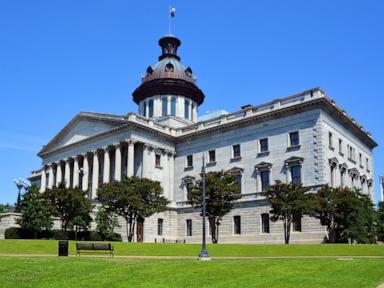
Trump-backed Evette advances to South Carolina GOP gubernatorial runoff; Graham wins Senate primary
Lt. Gov. Pamela Evette, endorsed by President Trump, and state Attorney General Alan Wilson advanced to a June 23 runoff in South Carolina's Republican gubernatorial primary, eliminating U.S. Rep. Nancy Mace and Rep. Ralph Norman. The runoff winner will face Democrat Jermaine Johnson in the general election, while incumbent Sen. Lindsey Graham won the Republican Senate primary and will face Democrat Annie Andrews in November. These results reflect Trump's continued influence in South Carolina Republican politics and set up competitive general election matchups.

Victorian Coroner Calls for Medical Checks in Gun Licence Renewal Process
A Victorian coroner has recommended that gun licence applicants be required to provide medical certificates proving fitness to own firearms, following the suicide of a man with a history of mental illness who legally owned five guns. The current system relies on self-reporting by applicants and is described as a 'rubber stamping' process rather than genuine vetting. The recommendation comes as Victoria's government has rejected other proposed firearm restrictions, including caps on the number of weapons individuals can own.