Companies Implement AI Spending Controls as Pricing Rises
Major companies including Coinbase, Deloitte, and Walmart are imposing spending limits and usage caps on AI tools after experiencing rapid cost increases from providers like OpenAI and Anthropic. The shift reflects a transition from flat-rate to usage-based pricing models introduced between February and June 2026, combined with executives' concerns that AI spending hasn't yet generated measurable revenue or profits. This represents a significant reversal from the rapid AI adoption phase, with potential implications for AI providers' growth trajectories and upcoming IPOs.
Companies across industries are implementing stricter controls on artificial intelligence spending after experiencing sticker shock from rising prices. Coinbase has instituted weekly spending caps ranging from $500 to $5,000 per employee, while Walmart, Amazon, and others have placed usage limits on internal AI tools. The cost increases stem from pricing model changes by major AI providers—OpenAI, Anthropic, and GitHub shifted from flat-rate billing to usage-based pricing tied to token consumption between February and June. A survey of 200 executives found that 79% were concerned about AI budget cuts due to spending not translating to new revenue or profits. Companies including Accenture, IBM, Oracle, and JPMorgan Chase have formed a "Tokenomics Foundation" to standardize AI budgeting metrics. Industry observers note that the initial enthusiasm for AI adoption has given way to scrutiny of actual business value, with executives prioritizing cost efficiency over rapid experimentation.
What different sources said
- Business InsiderLeft
C-suites have decided: it's time to put AI on a diet
Related
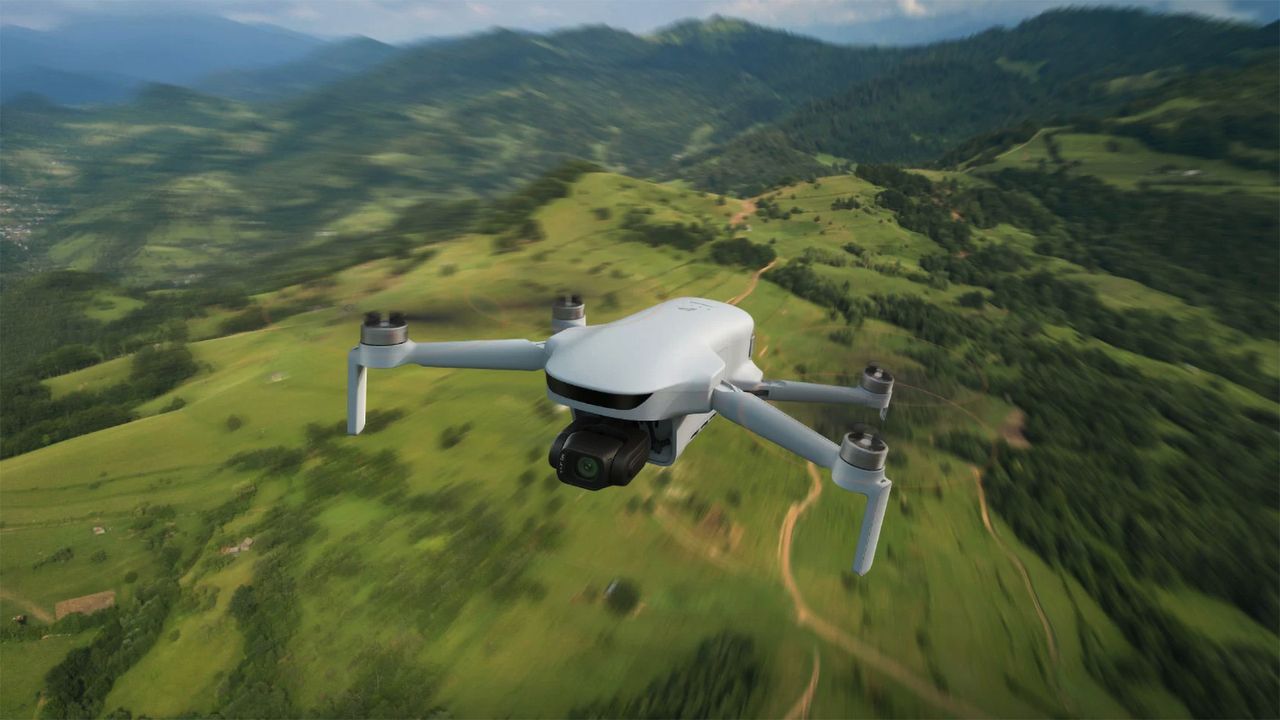
Potensic Atom 3 Drone Offers DJI Alternative for Global Markets, But Faces US Import Ban
Potensic has released the Atom 3, an upgraded beginner drone featuring a larger sensor, 4K 60fps video, improved battery life, and AI tracking capabilities at competitive pricing ($429.99-$549.99). The drone competes directly with DJI's Lito X1 but faces the same regulatory barriers as DJI in the US market due to a ban on foreign-made drones. The availability restrictions highlight ongoing US trade restrictions on Chinese drone manufacturers and limit consumer choice in the American market.

Wing and Walmart Expand Drone Delivery to Seven Additional U.S. Cities
Alphabet-owned Wing and Walmart are expanding their drone delivery partnership to seven new U.S. cities including Memphis, New Orleans, Philadelphia, Phoenix, San Diego, the San Francisco Bay Area, and Salt Lake City. The expansion is part of a plan to reach over 270 Walmart locations by next year, building on successful deployments in Atlanta, Dallas-Fort Worth, and Houston. The move signals that drone delivery is transitioning from a novelty service to a mainstream logistics option, with Wing having completed over 1 million commercial deliveries.

Anthropic CEO Calls for FAA-Style Regulation of Powerful AI Models
Anthropic CEO Dario Amodei published an essay calling for government regulation of powerful AI models, comparing the approach to FAA oversight of commercial aviation. The proposal includes mandatory third-party testing for frontier models and potential government authority to block or delay their deployment if they pose safety risks. The call comes as Anthropic released Claude Fable 5 and an updated Claude Mythos 5 model with advanced cybersecurity capabilities.