Commercial Beekeeping Under Strain: Industrial Agriculture and Policy Cuts Threaten Bee Colonies
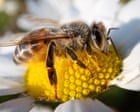
Commercial beekeepers lost over 60% of their colonies last winter, the worst losses on record, driven primarily by the demands of industrial agriculture rather than isolated threats. Managed honeybees are transported across the country to pollinate crops, exposing them to pesticides, diseases, and nutritional stress while generating over $15 billion in value to the US food system. The crisis is being exacerbated by policy decisions to close key bee research facilities at a time when beekeepers need scientific support most.
Commercial beekeeping faces a systemic crisis rooted in how industrial agriculture operates. Rather than isolated threats like pests or weather, the primary driver is the intensive management system itself: beekeepers truck colonies across the country to pollinate crops on tight schedules, feed expensive supplements instead of natural forage, and breed for maximum productivity. The annual almond pollination in California exemplifies these pressures—over 2 million colonies (95% of commercial stock) converge on 1.4 million acres in February, spreading varroa mites and diseases while bees are exposed to fungicides and other agrochemicals. Additional pressures include the loss of native grasslands converted to biofuel crops, cheap imported honey flooding markets and reducing beekeepers' income, and the planned closure of critical research facilities including the USDA's Beltsville Bee Research Lab and multiple US Forest Service and USGS research centers that have historically supported beekeepers through disease detection and pest management research.
What's missing
The article does not provide specific data on the mechanisms by which sublethal agrochemicals (fungicides, inert ingredients) affect bee cognition and reproduction, nor does it cite peer-reviewed studies quantifying these effects. Additionally, while the article mentions varroa mites as the 'primary pest,' it does not detail alternative or complementary pest management strategies currently available to beekeepers, nor does it discuss the economic trade-offs beekeepers face in adopting different management practices.
What different sources said
- The Guardian USLeft
Big agriculture is killing our bees. We’ll all pay the price | Jennie Durant
Related
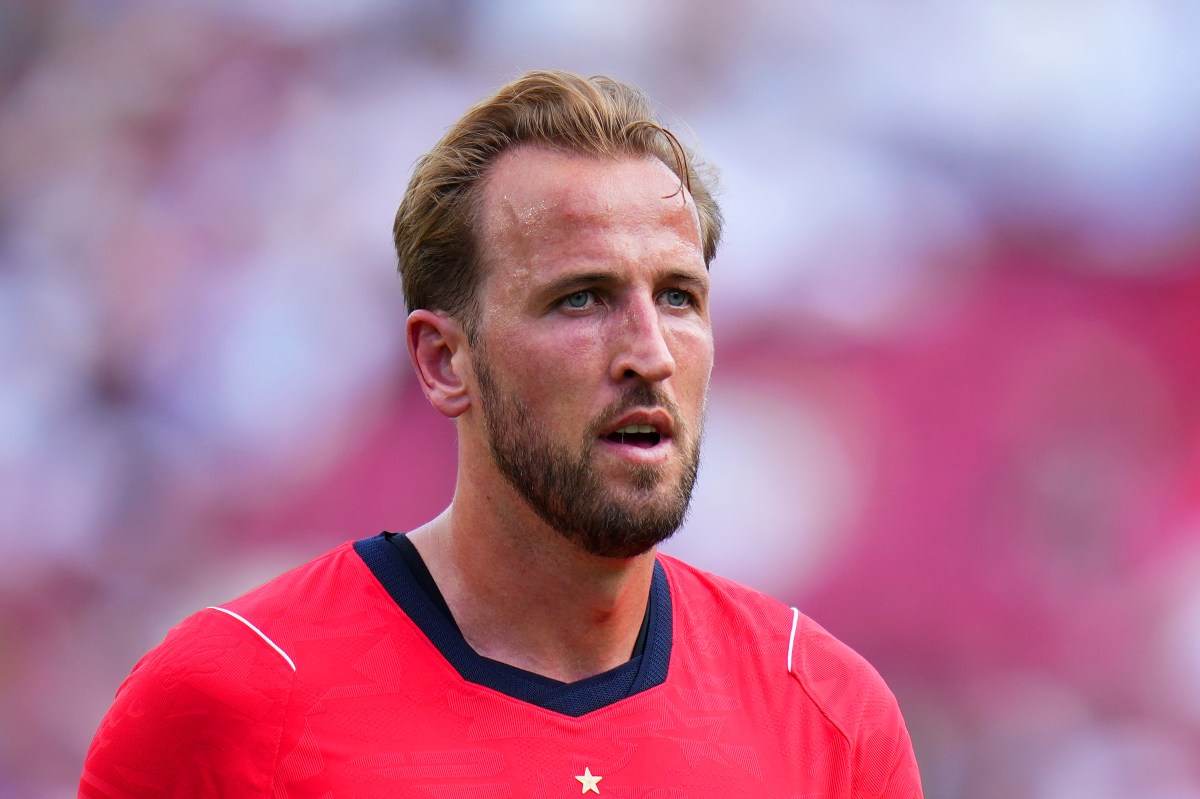
Harry Kane Names France, Argentina, Brazil, Spain as England's Main Threats at 2026 World Cup
England captain Harry Kane identified France, Argentina, Brazil, and Spain as the biggest threats facing the Three Lions at the 2026 FIFA World Cup, which begins June 11. Kane emphasized that success requires preparation to face multiple elite teams throughout the tournament, not just in a single match. Kane's assessment reflects England's position among tournament favorites alongside these nations, as the team seeks its first World Cup title since 1966.

Packers' Christian Watson Sets Ambitious Goals After $110 Million Contract Extension
Wide receiver Christian Watson signed a four-year, $110 million contract extension with the Green Bay Packers and outlined personal goals of 1,100+ receiving yards and double-digit touchdowns for the 2026 season. Watson has struggled with injuries throughout his career, appearing in just 48 games over four seasons and never exceeding 620 yards or seven touchdowns in a single year. The goals represent a significant step up from his recent performance but reflect the Packers' confidence in his potential.

Drew Bledsoe Warns Drake Maye to Manage Expectations After Patriots' Super Bowl Run
Former Patriots quarterback Drew Bledsoe cautioned Drake Maye about the intense pressure that follows a successful season, advising him to temper expectations after the Patriots nearly won the MVP and Super Bowl last year. Bledsoe, who was in a similar position at age 24 with New England before losing his starting job to Tom Brady, warned that high expectations can lead to unfair criticism. The advice comes as Maye heads into his third season facing a more challenging schedule than the Patriots' beneficial one from last year.