Colombian Presidential Candidate Calls for Investigation Into Alleged Voter Coercion in Remote Areas
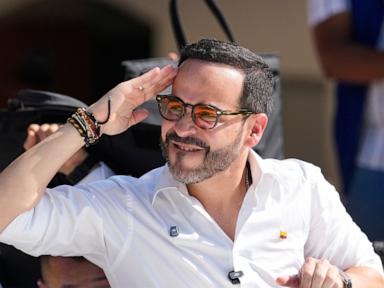
Colombian presidential candidate Abelardo de la Espriella has urged prosecutors to investigate whether rebel groups coerced voters in remote municipalities to support governing party candidate Iván Cepeda, who received unusually high vote shares (70%+ in 109 municipalities) in areas with active illegal armed groups. The allegation comes ahead of a June 21 runoff election between the two candidates, with security and corruption being top voter concerns. The investigation request highlights tensions over Colombia's "total peace" strategy with rebel groups and reflects broader concerns about electoral integrity in regions where armed groups maintain control.
Colombian presidential candidate Abelardo de la Espriella has filed a complaint with prosecutors requesting an investigation into potential voter coercion by rebel groups during the May 31 first-round election. De la Espriella's campaign noted that rival candidate Iván Cepeda, an ally of President Gustavo Petro, secured more than 70% of the vote across 109 municipalities with active illegal armed groups, reaching as high as 97% in some locations. While acknowledging that these results alone do not constitute definitive proof of a crime, the campaign argued they warrant investigation into whether voters faced threats or pressure. A European Union electoral observation mission reported receiving complaints from voters who said they were pressured by "government officials and illegal armed groups," though it did not specify which candidate voters were pressured to support. De la Espriella, a conservative lawyer, narrowly won the first round with 43.7% of the vote compared to Cepeda's 40.9%, setting up a June 21 runoff. The allegations reflect broader concerns about security and the government's "total peace" strategy with rebel groups, which analysts say have used ceasefires to strengthen control over rural communities involved in illicit activities.
What's missing
The article does not provide specific details about what evidence or methodology de la Espriella's campaign used to identify the 109 municipalities or determine the vote percentages cited, nor does it include a detailed response from Cepeda's campaign or election authorities regarding the allegations.
What different sources said
- ABC News InternationalCenter
Colombian presidential candidate urges investigation of alleged voter coercion
Related
Halfway Through 2026 Primary Season: Six Key Takeaways from Congressional Races
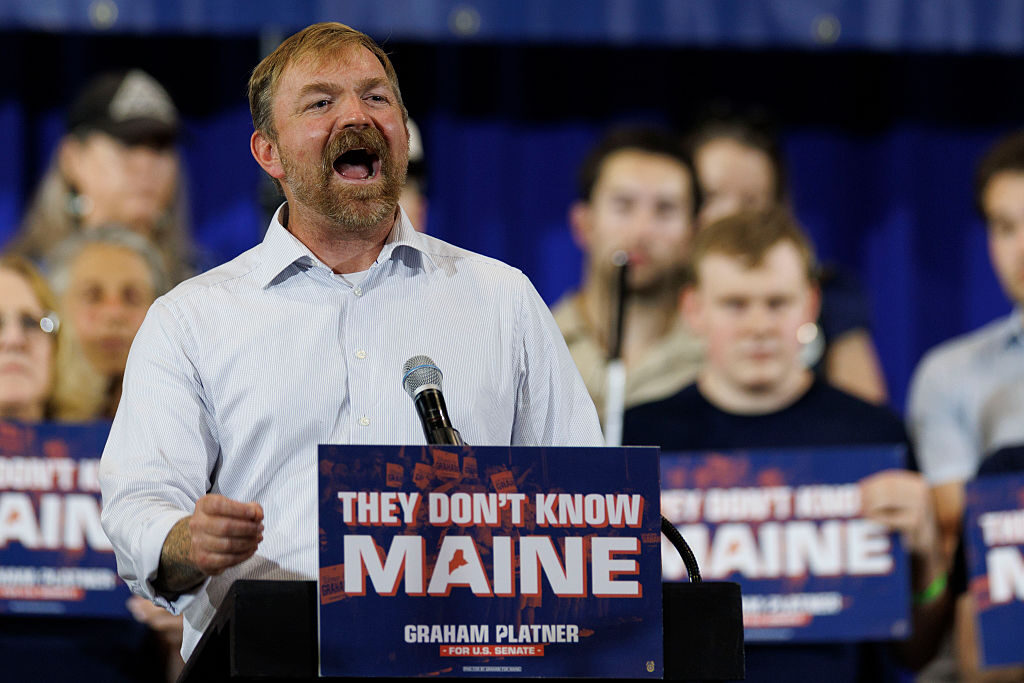
Four more states held primaries this week, bringing the total to 26 states that have completed regular congressional primaries in the 2026 midterm cycle. Key patterns emerging include front-runners not always winning, House members struggling to advance to statewide office, and President Trump's endorsement record remaining largely successful despite low approval ratings. These trends are shaping the competitive landscape for the general election.
Congress Struggles to Build Support for $9 Billion Rayburn House Office Building Renovation
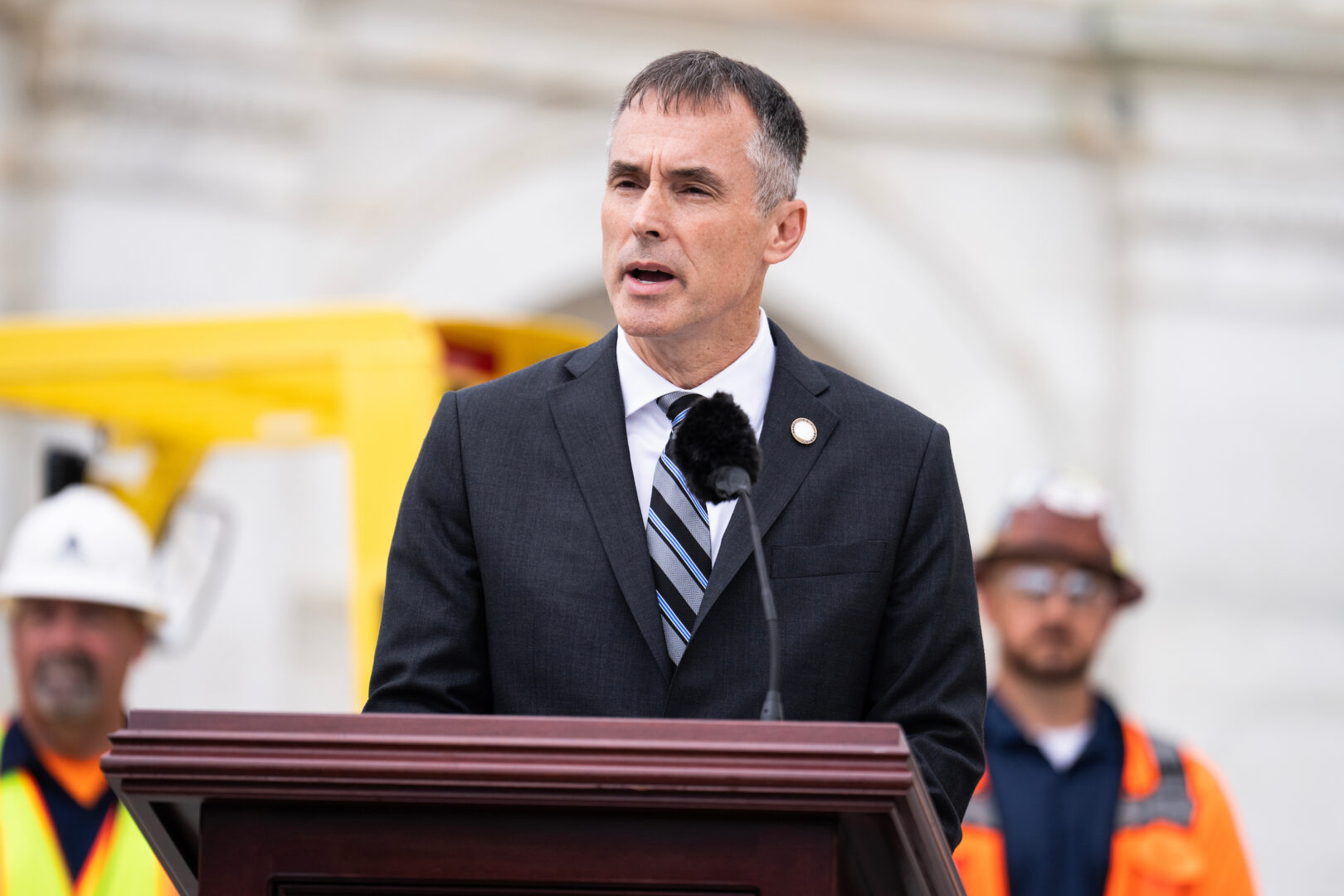
The Architect of the Capitol is pushing for a major renovation of the Rayburn House Office Building, which could cost $9 billion and last until 2045, but lawmakers remain hesitant to commit to the project. The building, constructed in 1965, is experiencing serious deterioration including 16 major leaks in the past year alone and risks of catastrophic system failure. The challenge reflects a broader political difficulty: Congress has historically been reluctant to fund its own infrastructure, with legislative branch spending averaging just 0.15 percent of total budget authority since 1976.

Study Finds College Faculty Lean Significantly Left, Raising Questions About Campus Ideological Diversity
A study commissioned by the Foundation for Individual Rights and Expression found that college faculty donors have an average ideology score of -1.02, comparable to Senator Bernie Sanders's -1.14, indicating strong leftward lean among faculty. The research cross-referenced over 100,000 faculty members with campaign contribution data, and separate surveys found only 20% of faculty believed a conservative scholar would be welcome in their department. The findings raise concerns about ideological diversity in higher education and its potential influence on student political attitudes.