Chinese Lung Cancer Drug Shows 34% Reduction in Death Risk in Late-Stage Trial
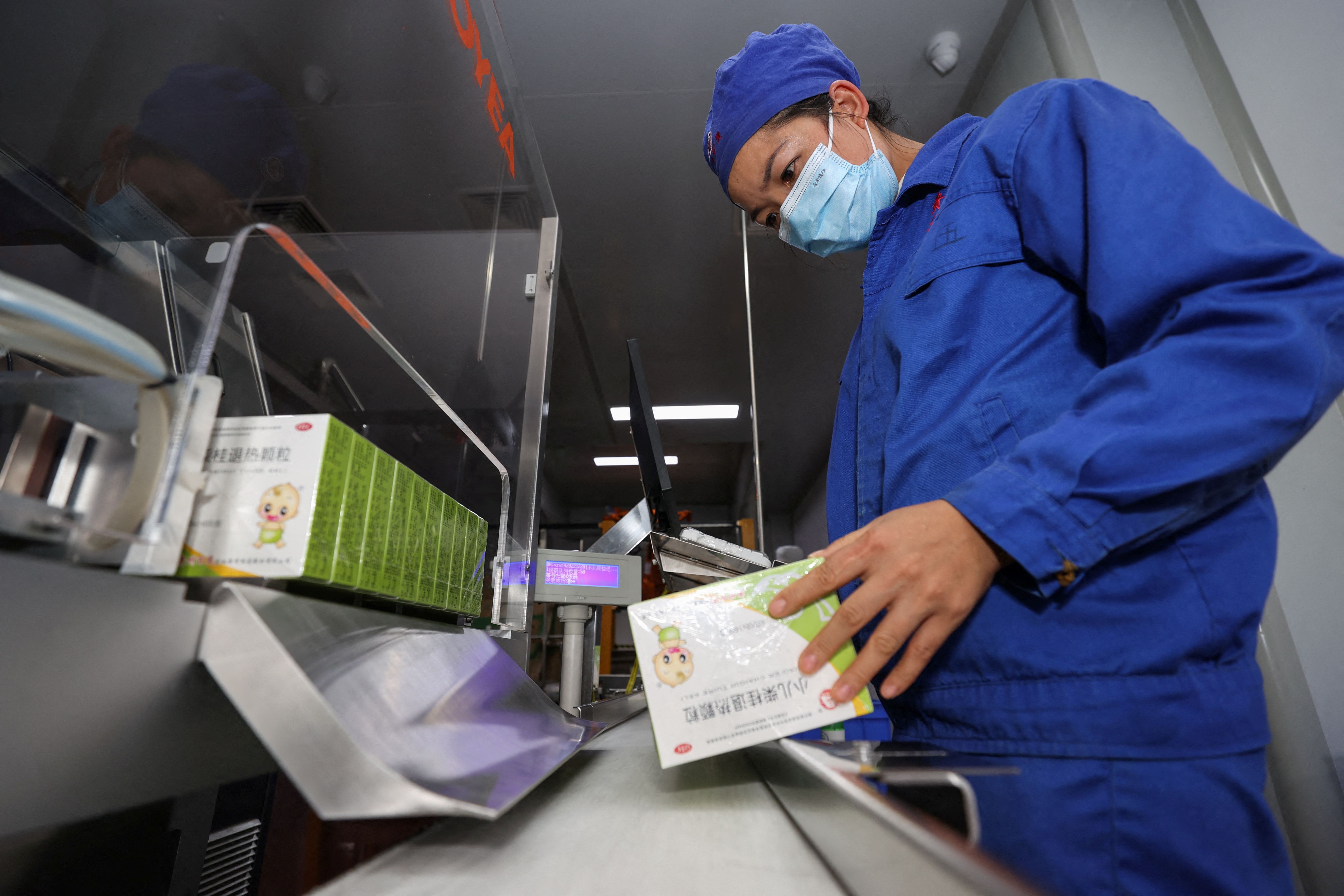
A Chinese pharmaceutical company's drug reduced mortality risk by 34% in patients with squamous non-small-cell lung cancer when combined with chemotherapy, extending median survival by four months. The trial results represent a significant development in China's growing biotech sector and pharmaceutical innovation capabilities. The findings underscore China's emerging role in global drug development, though some scientists are still evaluating the results.
A late-stage clinical trial conducted in China demonstrated that a Chinese-developed drug reduced the risk of death by 34% in patients with squamous non-small-cell lung cancer when used alongside chemotherapy, extending median survival by four months compared to standard treatment. The results have been highlighted as evidence of China's pharmaceutical industry maturation and growing capacity for drug innovation. The achievement comes amid a broader period of significant medical advances globally, including developments in obesity and pancreatic cancer treatments. However, the article notes that scientists in the field are still debating and evaluating the trial's findings. The development signals China's increasing competitiveness in the global pharmaceutical market.
What's missing
The specific name of the drug and the Chinese company that developed it are not provided. The article does not specify the trial's sample size, patient demographics, or the specific chemotherapy regimen used. Details about the trial's geographic scope beyond 'conducted in China' and regulatory approval status are absent. The nature of the scientific debate regarding the findings is not elaborated.
What different sources said
- SemaforCenter
Chinese drug reduces lung cancer death risk by 34% in trial
Related

Indian-Origin Cardiac Surgeon Sued for Wrong Heart Valve Implant Surgery on 13-Year-Old
Dr. Ashok Muralidaran, an Indian-origin pediatric cardiac surgeon at Oregon Health and Science University, is facing a $17 million lawsuit after allegedly implanting a heart valve upside down during surgery on a 13-year-old girl in August 2025. The girl's heart could not be restarted after the procedure and she required mechanical life support before being transferred to Seattle Children's Hospital, where the misplacement was discovered. The case sparked social media debate about medical education standards, though the surgeon completed his advanced training in the United States.

Apple Launches Perimenopause Detection Feature in Health App Update
Apple announced at its Worldwide Developer Conference that its Health app will soon include features to detect perimenopause and menopause by tracking irregular bleeding patterns and symptoms. The feature, launching later in 2026, expands on existing menstrual cycle tracking and aims to help users recognize life stage transitions and prepare for medical conversations. While some health experts welcome increased awareness, others caution that such technology may medicalize a natural life stage and shift healthcare responsibility to individuals.
Person dies from rare Murray Valley Encephalitis virus in Western Australia
A person has died after contracting Murray Valley Encephalitis, a rare mosquito-borne virus, while travelling in Western Australia's north, marking the first reported death from the virus in WA this year. The individual was likely exposed in early May in the West Kimberley region, about 2,000 kilometres north of Perth, before being transferred to a Perth hospital where they died. Health authorities are urging residents and tourists to protect themselves from mosquito bites as the region enters its peak tourism season, noting the virus can cause serious brain infection though complications remain rare.