China's Qianfan Satellite Network Reaches 200+ Satellites, But Faces Deployment Challenges

China's Qianfan broadband satellite constellation has deployed over 200 satellites in orbit following a successful launch from the Gobi Desert on Tuesday. The network is positioned as a competitor to Starlink but is experiencing slower-than-planned deployment and concerns about cost efficiency. The milestone reflects China's push to develop indigenous satellite internet capabilities, though questions remain about whether the project can achieve its ambitious targets.
Qianfan, operated by Shanghai Spacecom Satellite Technology (SSST), has reached 201 satellites in orbit after a Zhuque-2E rocket launch from the Gobi Desert delivered multiple satellites including a direct-to-cell test satellite and a China Mobile satellite. This follows two additional launches from Taiyuan and Hainan that each deployed 18 Qianfan satellites, demonstrating an accelerating launch cadence. Despite the increased pace of deployments, the constellation remains behind official targets for the project. Industry observers have raised concerns about whether the network's deployment timeline and cost structure can compete effectively with established players like Starlink in the global satellite internet market.
What's missing
The article does not specify what the official deployment targets are, what timeline was originally planned, or provide concrete cost comparisons with Starlink. Additionally, no information is provided about Qianfan's intended service areas, coverage capabilities, or when commercial service is expected to begin.
What different sources said
- South China Morning PostCenter
Starlink rival Qianfan hits satellite milestone, but is it too slow and costly?
Related
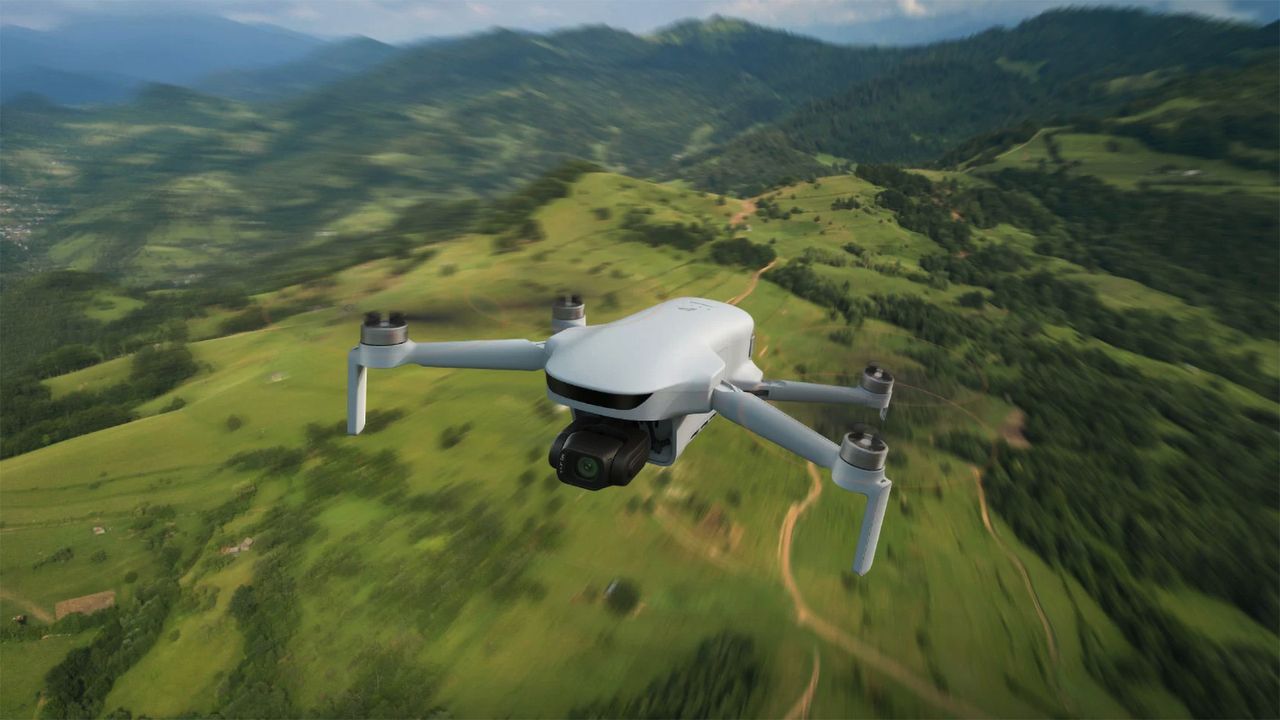
Potensic Atom 3 Drone Offers DJI Alternative for Global Markets, But Faces US Import Ban
Potensic has released the Atom 3, an upgraded beginner drone featuring a larger sensor, 4K 60fps video, improved battery life, and AI tracking capabilities at competitive pricing ($429.99-$549.99). The drone competes directly with DJI's Lito X1 but faces the same regulatory barriers as DJI in the US market due to a ban on foreign-made drones. The availability restrictions highlight ongoing US trade restrictions on Chinese drone manufacturers and limit consumer choice in the American market.

Wing and Walmart Expand Drone Delivery to Seven Additional U.S. Cities
Alphabet-owned Wing and Walmart are expanding their drone delivery partnership to seven new U.S. cities including Memphis, New Orleans, Philadelphia, Phoenix, San Diego, the San Francisco Bay Area, and Salt Lake City. The expansion is part of a plan to reach over 270 Walmart locations by next year, building on successful deployments in Atlanta, Dallas-Fort Worth, and Houston. The move signals that drone delivery is transitioning from a novelty service to a mainstream logistics option, with Wing having completed over 1 million commercial deliveries.

Anthropic CEO Calls for FAA-Style Regulation of Powerful AI Models
Anthropic CEO Dario Amodei published an essay calling for government regulation of powerful AI models, comparing the approach to FAA oversight of commercial aviation. The proposal includes mandatory third-party testing for frontier models and potential government authority to block or delay their deployment if they pose safety risks. The call comes as Anthropic released Claude Fable 5 and an updated Claude Mythos 5 model with advanced cybersecurity capabilities.