China's Manufacturing Activity Slows Amid Rising Oil Prices from Iran Conflict

China's manufacturing activity declined in May, reflecting economic strain from rising oil prices linked to the Iran war, according to new data. While China's crude stockpile and energy diversification have shielded it from the worst effects, the slowdown signals broader economic headwinds including weak consumer demand. The data raises questions about whether Beijing will implement stimulus measures, though strong exports have so far discouraged intervention.
China's manufacturing sector contracted in May as rising oil prices stemming from the Iran conflict weighed on the world's second-largest economy. Although China has been relatively insulated from the worst impacts of the conflict due to its substantial crude oil reserves and diversified energy sources, the factory data demonstrates that elevated energy costs are still affecting economic activity. Economists have noted that while global demand for data centers has kept exports strong—even exceeding last year's record levels—the domestic consumer economy is struggling, evidenced by plummeting pork prices amid oversupply and subdued consumer spending. This mixed picture has sparked speculation about potential broad stimulus measures from Beijing, though policymakers appear reluctant to intervene given the resilience of export sectors.
What's missing
The specific May manufacturing data figures (such as the PMI reading) are not provided in the article, making it difficult to assess the magnitude of the slowdown. Additionally, the article does not clarify the timeline or severity of the Iran conflict's impact on global oil markets.
What different sources said
- SemaforCenter
Chinese manufacturing slows as Iran war strains economy
Related

U.S. Markets Stage Rebounds Following Chip Stock Selloff
U.S. markets have rebounded twice following a dramatic Friday selloff in chip stocks, with gains at Monday's open and Tuesday afternoon. The Nasdaq 100 remains down 4.25% for the month despite the recoveries, and volatility has increased sharply. The pattern reflects the market's traditional 'buy the dip' behavior as investors resist giving up recent gains.
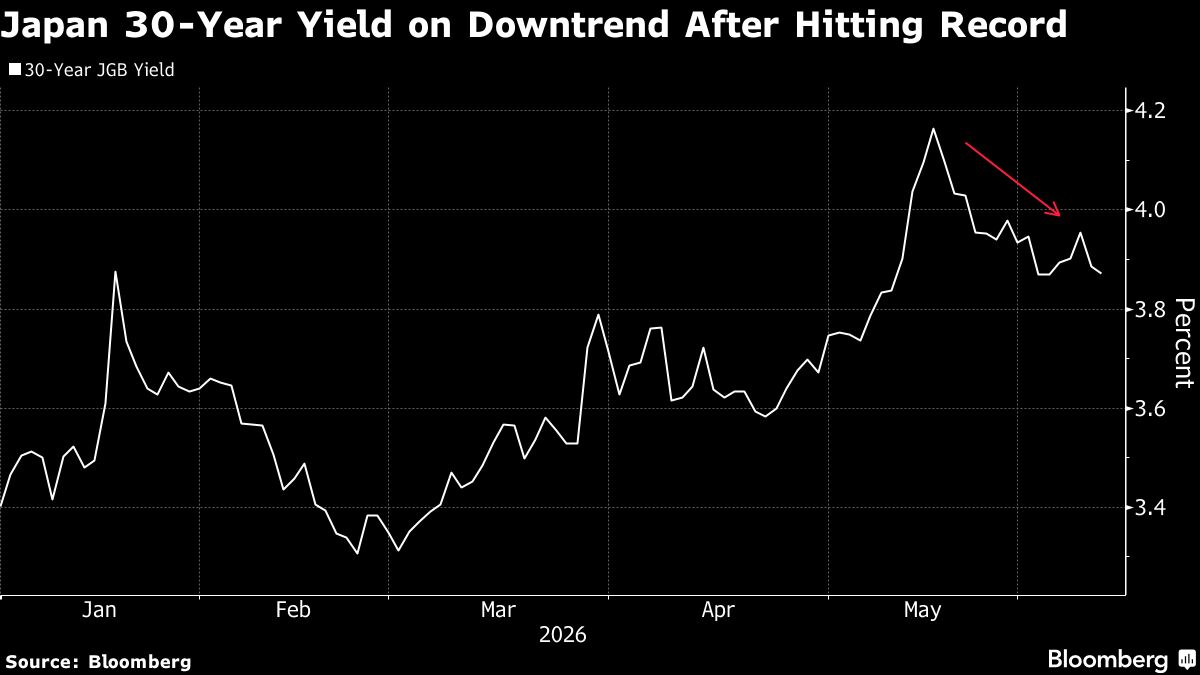
Japan's 30-Year Bond Auction Sees Weakest Demand in Over a Year
Japan's 30-year government bond auction on June 10, 2026 attracted the weakest demand since June 2025, with a bid-to-cover ratio of 2.94 compared to the previous 3.49. The decline reflects investor concerns over inflation and fiscal policy, as well as falling yields reducing appetite for the bonds. Weak bond demand can signal investor anxiety about Japan's economic outlook and fiscal sustainability.
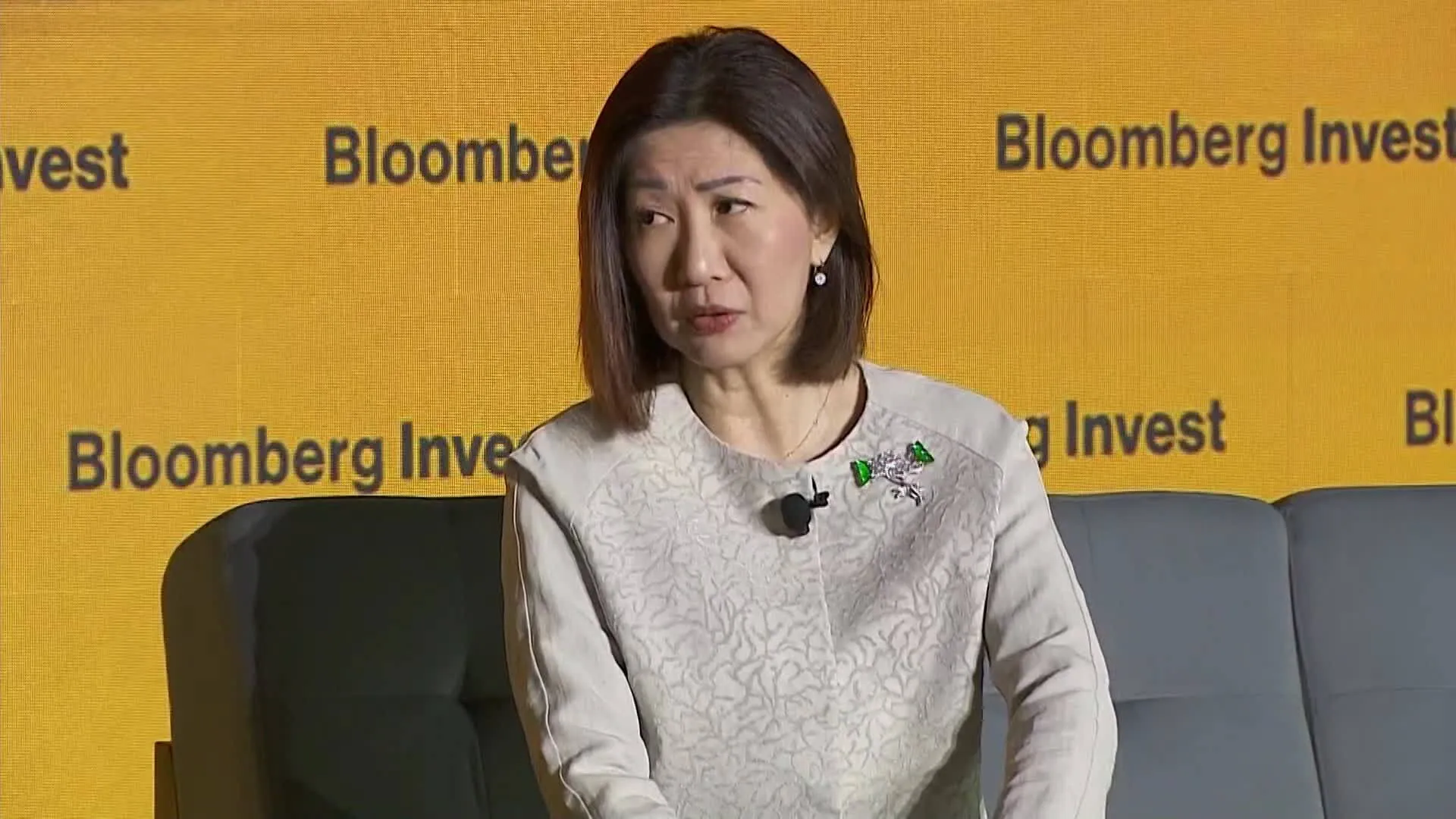
HKEx CEO Bonnie Chan Calls Potential SpaceX Listing an 'Exciting Deal'
Hong Kong Exchanges and Clearing (HKEx) CEO Bonnie Chan expressed enthusiasm about a potential SpaceX listing, describing it as an exciting opportunity. Chan highlighted that Chinese supply chains have broad coverage relevant to such a deal. The statement suggests HKEx's interest in attracting major space industry companies to its exchange.