China Tightens Outbound Investment Rules Amid US Tech Competition
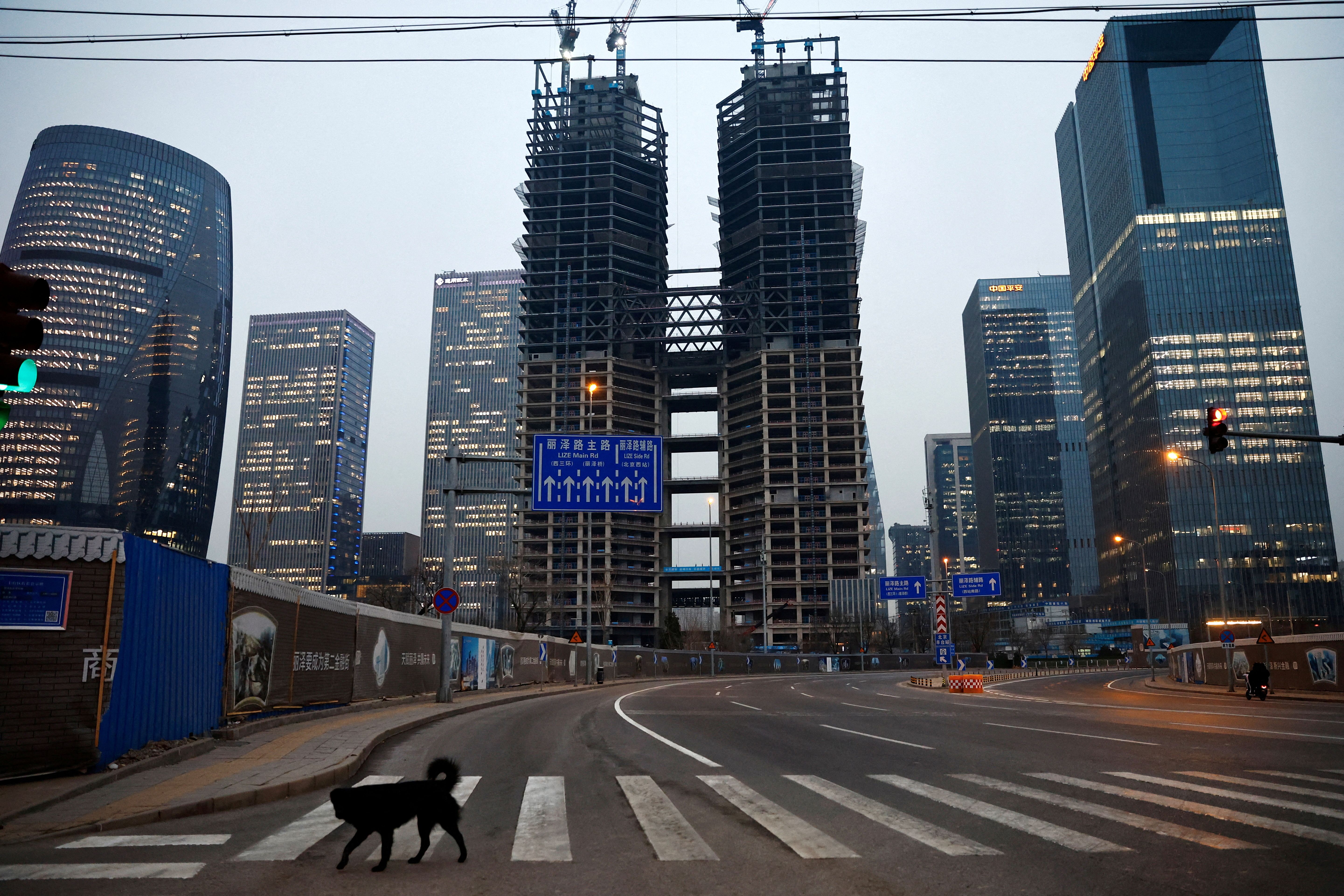
China has published newly tightened rules on outbound investment, reflecting a more protective stance toward its businesses and technology. The restrictions come as Beijing increasingly views overseas acquisitions through a national security lens rather than commercial viability, and follows China's move to block Meta's purchase of AI startup Manus. The policy shift underscores intensifying US-China competition in AI and Beijing's efforts to retain top tech talent domestically.
China has implemented stricter regulations on outbound investment, signaling a shift toward viewing overseas business activities through a national security framework. The rules, published Monday, represent part of a broader pattern of Chinese government intervention in tech deals, exemplified by Beijing's recent reversal of Meta's acquisition of Chinese AI startup Manus. Beyond investment restrictions, China is reportedly limiting overseas travel for AI researchers at major companies like Alibaba and DeepSeek—measures typically reserved for academics and nuclear scientists—in an effort to prevent brain drain and protect technological advantages. This protective posture reflects escalating competition with the United States in artificial intelligence and related technologies, with Beijing prioritizing the retention of top talent and control over strategic technologies.
What different sources said
- SemaforCenter
China tightens rules on outbound investment
Related
U.S. Markets Stage Rebounds Following Chip Stock Selloff
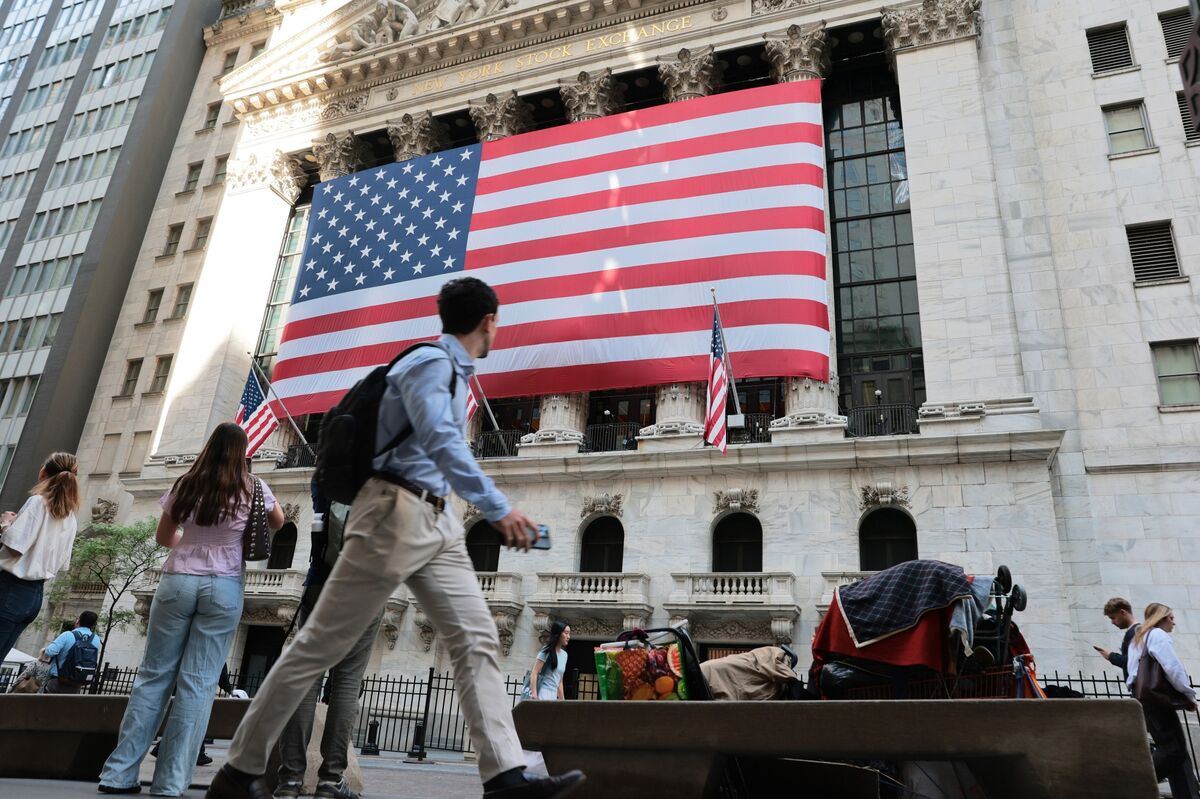
U.S. markets have rebounded twice following a dramatic Friday selloff in chip stocks, with gains at Monday's open and Tuesday afternoon. The Nasdaq 100 remains down 4.25% for the month despite the recoveries, and volatility has increased sharply. The pattern reflects the market's traditional 'buy the dip' behavior as investors resist giving up recent gains.
Japan's 30-Year Bond Auction Sees Weakest Demand in Over a Year
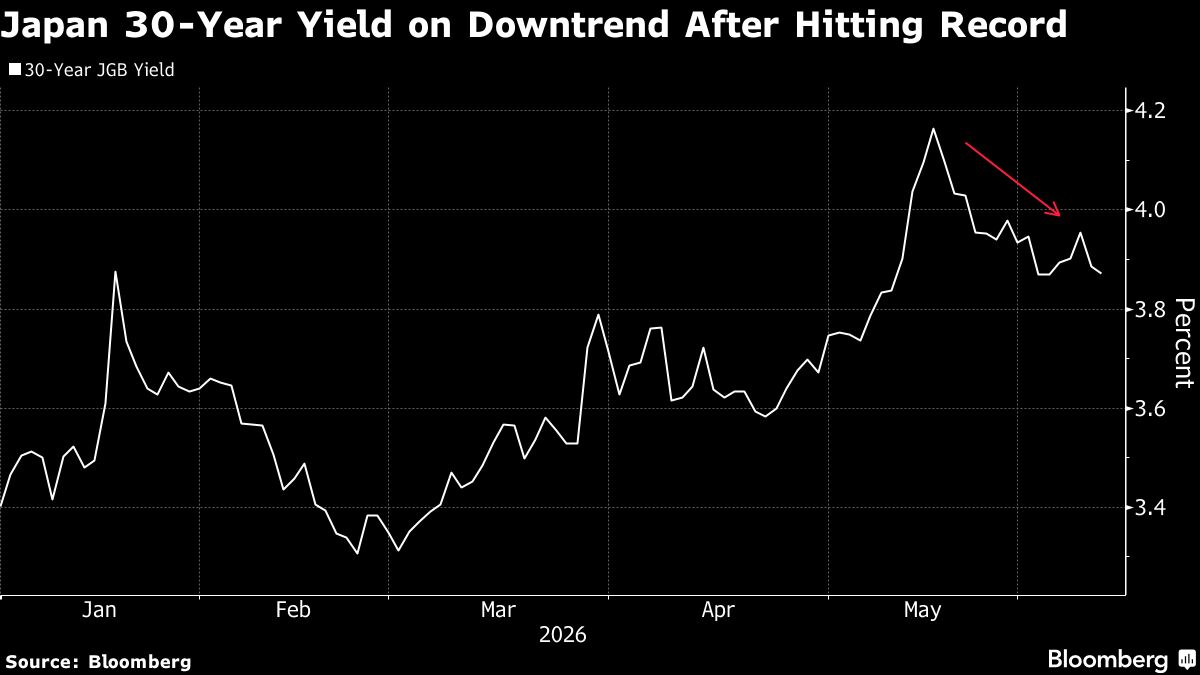
Japan's 30-year government bond auction on June 10, 2026 attracted the weakest demand since June 2025, with a bid-to-cover ratio of 2.94 compared to the previous 3.49. The decline reflects investor concerns over inflation and fiscal policy, as well as falling yields reducing appetite for the bonds. Weak bond demand can signal investor anxiety about Japan's economic outlook and fiscal sustainability.
HKEx CEO Bonnie Chan Calls Potential SpaceX Listing an 'Exciting Deal'
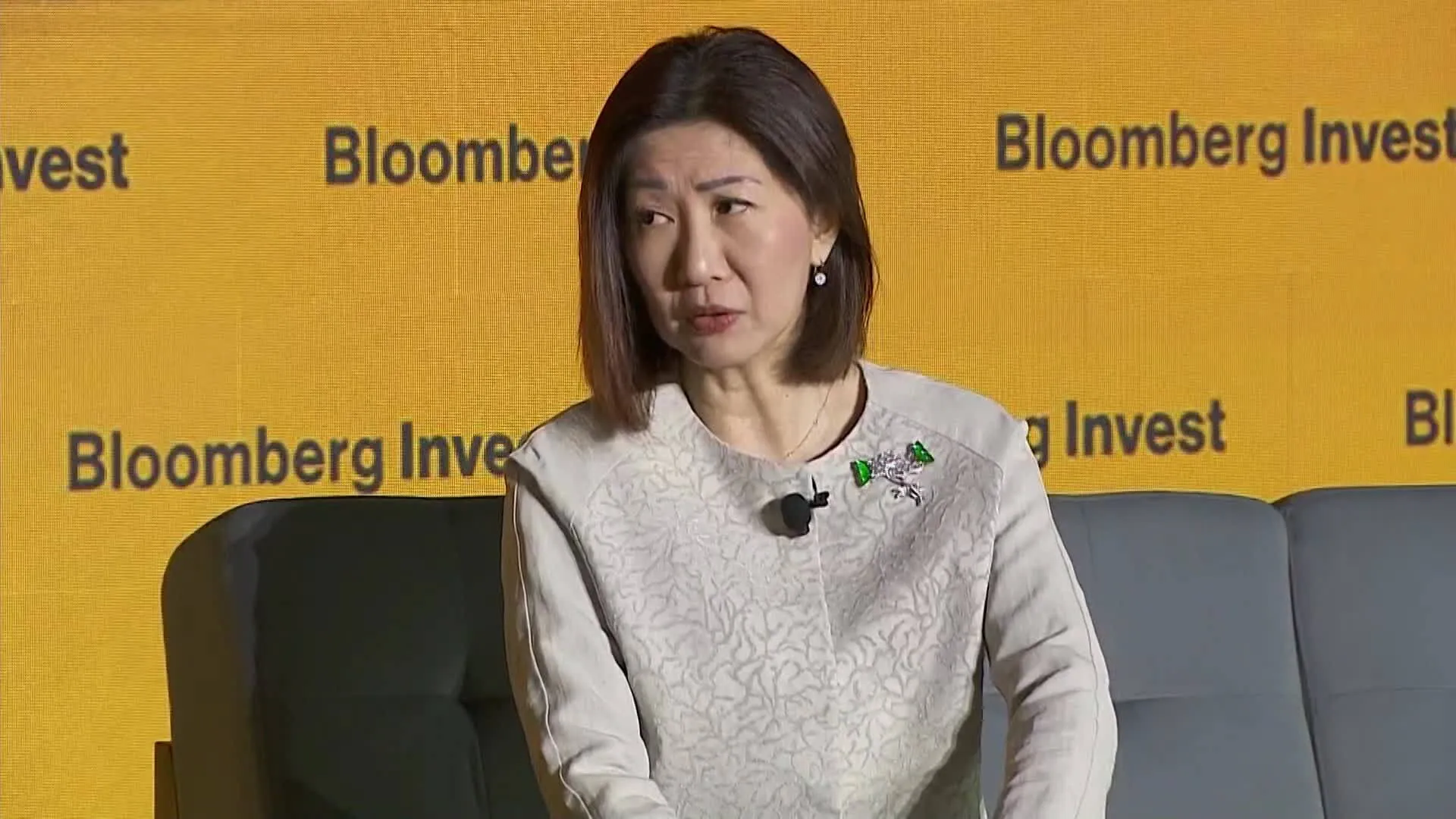
Hong Kong Exchanges and Clearing (HKEx) CEO Bonnie Chan expressed enthusiasm about a potential SpaceX listing, describing it as an exciting opportunity. Chan highlighted that Chinese supply chains have broad coverage relevant to such a deal. The statement suggests HKEx's interest in attracting major space industry companies to its exchange.