Century-old TB vaccine shows promise in reducing insulin use for diabetes patients
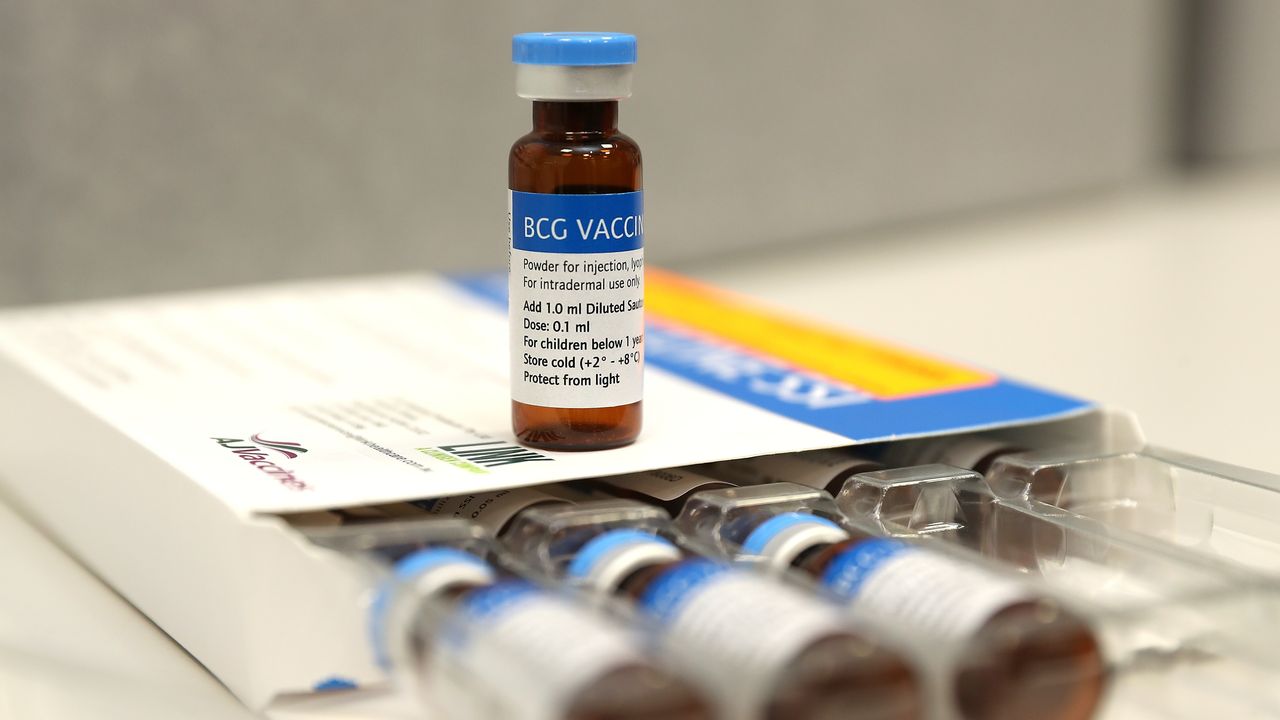
A phase II clinical trial found that the Bacillus Calmette-Guérin (BCG) vaccine, developed in the 1920s, reduced insulin use and improved blood sugar control in people with autoimmune forms of diabetes. The trial, led by Dr. Denise Faustman of Massachusetts General Hospital and presented at the American Diabetes Association meeting in New Orleans, studied adults with juvenile-onset type 1 diabetes and latent autoimmune diabetes in adults (LADA). The findings suggest the vaccine may protect insulin-producing beta cells and reprogram malfunctioning white blood cells, offering a new therapeutic avenue independent of the pancreas.
Researchers presented phase II clinical trial results showing that the BCG vaccine — a century-old immunotherapy best known for preventing tuberculosis — meaningfully reduced insulin use and improved blood sugar regulation in people with autoimmune diabetes. In the LADA arm of the trial, 68 participants who received six BCG shots over five years saw insulin use decrease by an average of nearly 3%, while the placebo group's insulin use increased by an average of 22%. In the juvenile-onset type 1 diabetes arm, continuous glucose monitoring showed up to a 183.7% improvement in time spent with blood sugar in the normal range, with many patients able to normalize blood sugar levels. Study leader Dr. Denise Faustman proposed two mechanisms: the vaccine appears to slow the autoimmune destruction of insulin-producing beta cells in the pancreas, and it also reprograms white blood cells that, in people with type 1 diabetes, abnormally consume fat rather than sugar for fuel. This metabolic correction in white blood cells may improve blood sugar control independently of pancreatic function. External experts, including diabetes researcher Åke Lernmark of Lund University and immunologist Mihai Netea of Radboud University, called the LADA data exciting and consistent with earlier mouse studies. The BCG vaccine is already FDA-approved to treat bladder cancer and is being investigated for other conditions including Alzheimer's disease.
What's missing
The trial remains a phase II study with relatively small sample sizes (e.g., 34 treated vs. 24 placebo in the juvenile-onset arm), so statistical power and generalizability are limited. It is unclear whether the results have been peer-reviewed and published in a journal yet, as they were presented at a conference. Long-term durability of the blood sugar improvements beyond the five-year trial window is not established.
How coverage differed
Nature News and Live Science framed the findings cautiously, noting the research has been controversial and divided the diabetes community, while Yahoo Finance (via Reuters) adopted a more enthusiastic tone, emphasizing dramatic improvements and quoting Faustman's claim that this is 'the first time an immunotherapy has worked in people with long-standing type 1 diabetes' without equivalent skeptical counterbalance.
What different sources said
- Nature NewsCenter
TB vaccine from the 1920s shows promise in diabetes trial
- Live ScienceCenter
Century-old tuberculosis vaccine could help treat diabetes, trials hint. How?
- Yahoo FinanceCenter
Older drug reprograms white blood cells, improves blood sugar in type 1 diabetes
Related

Chicago Woman's Five-Year Symptom Journey Leads to Rare Brain Tumor Diagnosis
Melony Aponte, 26, was diagnosed with a 4.5-centimeter acoustic neuroma after five years of symptoms she attributed to stress, COVID-19, and aging. The rare, noncancerous tumor—affecting roughly one in 100,000 people—had grown large enough to compress her hearing and balance nerve before it was identified via MRI in March 2025. Her case highlights how acoustic neuroma symptoms can mimic common conditions, potentially delaying diagnosis for years.
Study Finds Aging Shifts Walking Strategy Toward Stability at the Cost of Efficiency
A new study from Flinders University and the University of Canberra found that as people age, their bodies adopt a 'safety-first' walking pattern that prioritizes balance over efficient movement. Researchers analyzed gait data from 107 healthy adults aged 26 to 86, identifying increased ankle muscle co-contraction and reduced push-off power as key age-related changes. The findings suggest that fall prevention programs should target balance and coordination, not just muscle strength.

Tick Populations Surge in Urban Areas Across Northeast
Experts across the northeastern United States and Canada are warning of an unusually early and widespread tick season, with disease-carrying ticks increasingly found in urban parks and green spaces. Lyme disease cases in Canada reached a record 7,105 in 2025, up from 5,809 the previous year, while U.S. cities including Philadelphia, Pittsburgh, Washington D.C., and New York are reporting rising tick activity. The expansion poses a public health challenge because urban residents are less likely to take tick-bite precautions than those in rural areas.