California Primary Sets Stage for Congressional Control Fight
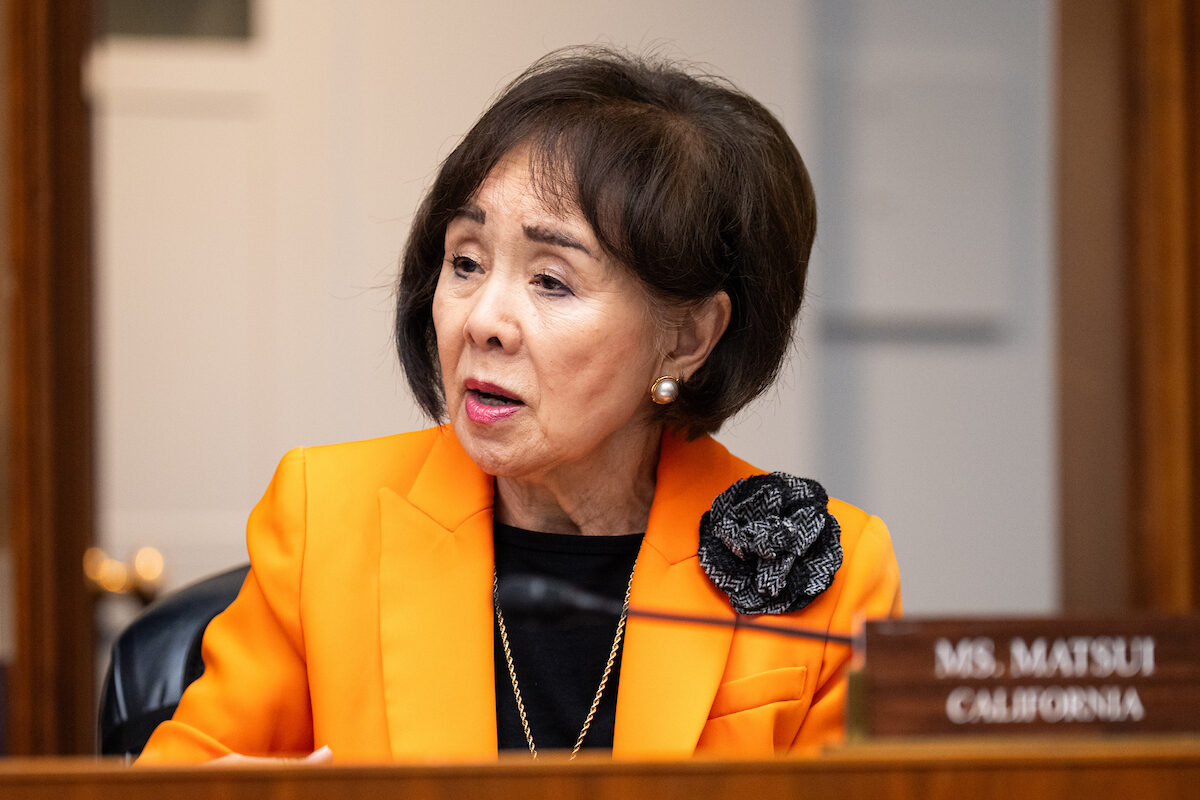
California's June primary races have begun setting November matchups in key redrawn congressional districts, with results in several contests still pending. The new map, enacted via Proposition 50, was drawn by Democrats to flip up to five Republican-held House seats as part of a national redistricting war sparked by Republican-led remapping in Texas and other states. Control of the U.S. House may hinge on California's outcomes, with analysts calling the state's new map a prerequisite for Democrats winning the majority.
California's top-two primary system produced several November matchups in redrawn congressional districts, with a few races still uncalled. In the 22nd District, progressive Randy Villegas defeated moderate Jasmeet Bains for the right to challenge Republican incumbent David Valadao in a Central Valley district that shifted slightly bluer under the new map. In the 40th District, Republican incumbents Ken Calvert and Young Kim are now set for a costly intraparty general election clash after Calvert moved into Kim's redrawn, more Republican-leaning district. In the 6th District, former Republican Rep. Kevin Kiley, now running as an independent, finished first and will face Democrat Richard Pan in November after incumbent Democrat Ami Bera vacated the seat to run in the redrawn 3rd District. The 7th District saw an all-Democratic matchup set between 81-year-old incumbent Doris Matsui and progressive Sacramento City Councilmember Mai Vang, reflecting generational tensions within the party. Nationally, experts say the redistricting battle — spanning Texas, Alabama, Florida, North Carolina, Ohio, and other states — will likely yield a net Republican gain of several seats, but California's map is seen as a critical Democratic offset, with analysts at Cook Political Report calling it a near-prerequisite for Democrats retaking the House majority.
What's missing
Neither source details the legal challenges, if any, currently pending against California's Proposition 50 map.
How coverage differed
The Los Angeles Times framed the story with greater emphasis on the national redistricting war and Republican-initiated map changes as the catalyst, while Roll Call focused more neutrally on the primary results themselves and the intra-Democratic ideological tensions on display, giving more space to specific race outcomes and vote percentages.
What different sources said
California will play a big role in the fight for power in Congress. Tuesday's primary sets the stage
- Roll CallCenter
More fall House matchups set in California
Related

Workers Begin Removing Trump's Name from Kennedy Center Facade After Court-Ordered Deadline
Workers started stripping President Trump's name from the exterior of the Kennedy Center in Washington overnight Friday into Saturday, hours past a court-ordered deadline of 11:59 p.m. Friday. The delay was attributed to nearby thunderstorms, and the Kennedy Center's board sought a 12-hour extension, which U.S. District Judge Christopher Cooper had already denied after rejecting the board's last-minute attempt to halt the order. The removal marks a significant legal rebuke of the Trump administration's effort to rename the historic performing arts venue, with a court ruling that only Congress has the authority to change the Kennedy Center's name.
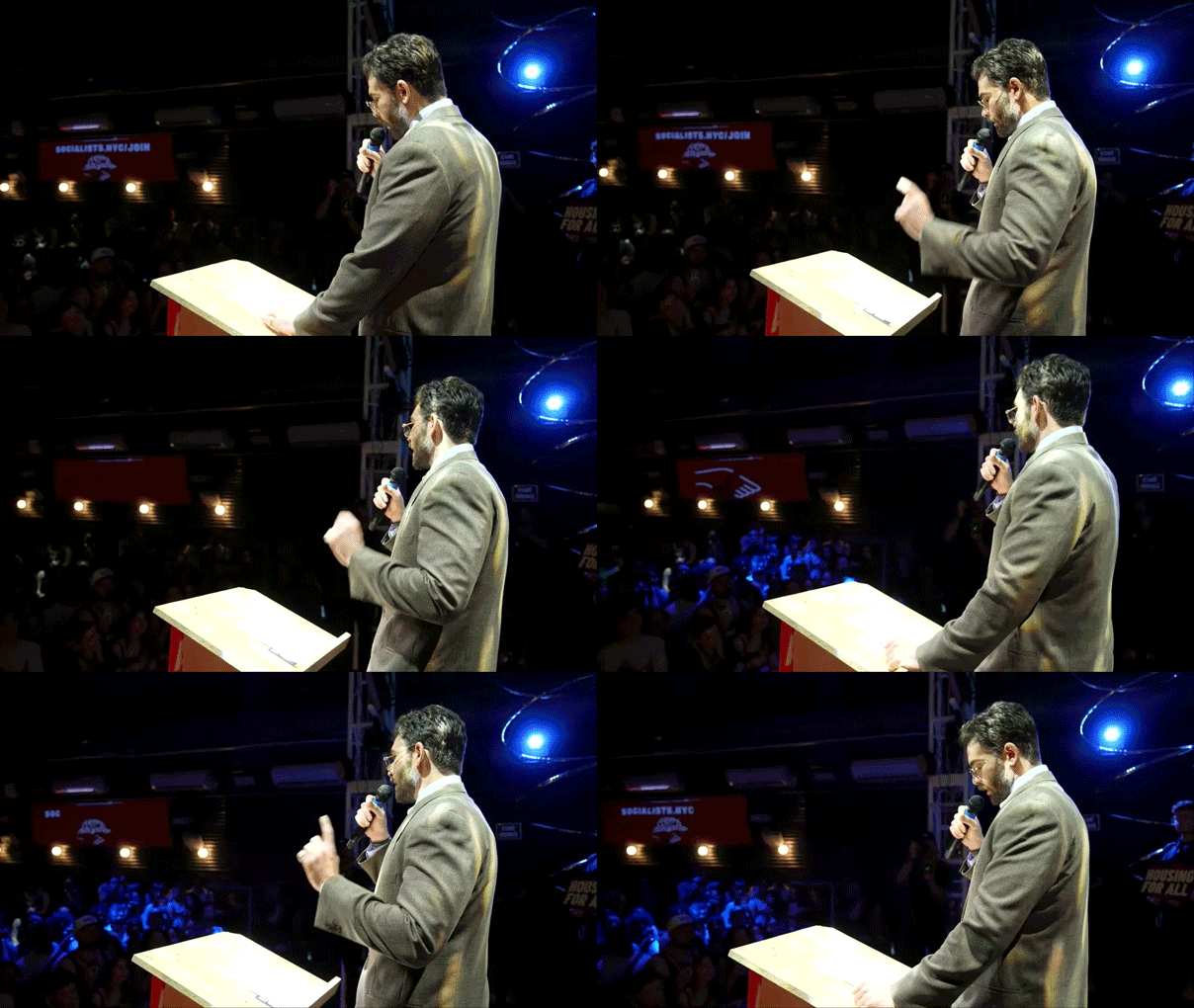
Hasan Piker Campaigns for DSA-Backed NYC Candidates, Sparking Debate Over Democratic Party Direction
Twitch streamer Hasan Piker rallied in Brooklyn for two Democratic Socialist of America-endorsed congressional candidates ahead of New York's June 23 primary, declaring the country is 'closer than ever' to socialism. The appearances come amid a broader debate within the Democratic Party over whether to embrace or distance itself from Piker, whose pro-Palestinian views and provocative statements have made him a polarizing figure. The controversy highlights a growing tension between the party's centrist establishment and its increasingly left-leaning base, particularly on foreign policy.
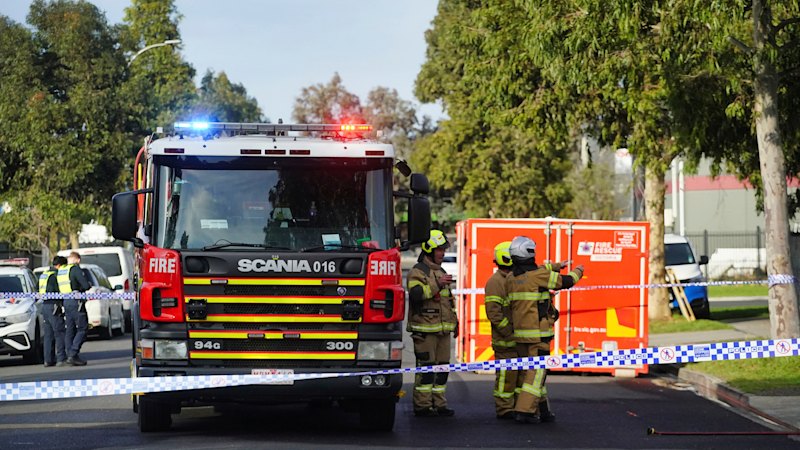
Fire Rescue Victoria Has Missed Emergency Response Targets Every Year Since 2020, With Outer Suburbs Worst Affected
Fire Rescue Victoria (FRV) has failed to meet its target of responding to 90 per cent of structural fires within seven minutes and 42 seconds in every year since its formation in 2020, with outer suburban areas recording the worst performance. The shortfall has come into sharp focus following the death of three-year-old Jordan Dashwood in a Werribee house fire this month, where the nearest FRV truck was committed to another incident and the first responders arrived well outside the benchmark time. The findings raise serious questions about whether the 2020 fire services restructure has been adequately resourced to protect Melbourne's rapidly growing outer suburbs.