Bulgaria's New Government Announces End to Arms Supplies for Ukraine
Bulgaria's Prime Minister Rumen Radev and Defence Minister Dimitar Stoyanov announced on June 9–10, 2026 that the country will no longer supply weapons from its state military stockpiles to Ukraine. Bulgaria, a NATO and EU member, had been one of Ukraine's significant arms suppliers since Russia's 2022 invasion, though deliveries were often routed through third countries due to domestic political tensions. The decision signals a shift toward a pro-Russian-leaning foreign policy stance and raises concerns among allies about Bulgaria's reliability as a partner.
Bulgaria's newly formed government under Prime Minister Rumen Radev, which took office in May 2026 after winning an absolute parliamentary majority, announced it would halt direct state weapons supplies to Ukraine. Defence Minister Dimitar Stoyanov stated that Ukraine 'needs more people, not more weapons' and called for negotiations toward 'a just peace.' Radev, long known for his pro-Russian views and opposition to arming Ukraine, framed the decision in economic terms, citing 'socio-economic damage' to Bulgaria from the war, though critics note that state arms transfers had been largely reimbursed through the EU's European Peace Facility, which provided Bulgaria over €3 million in 2025–2026 and generated more than €200 million through trilateral agreements. Crucially, the ban applies only to direct state stockpile transfers and does not affect Bulgaria's private defence industry, which remains a major supplier of Soviet-era ammunition to EU countries that then transfer it to Ukraine. The opposition centre-right GERB party criticized the move as eroding 'trust in Bulgaria as an ally,' while former Defence Minister Todor Tagarev argued Bulgaria is forfeiting an opportunity to modernize its military by exchanging obsolete Soviet-era weapons for NATO-standard equipment. A Eurobarometer survey cited by Deutsche Welle found 66% of Bulgarians oppose financing arms purchases for Ukraine, compared to 39% across the EU, suggesting the policy has domestic political appeal. The announcement came despite the fact that Kyiv had not requested any new state-supplied weapons since Stoyanov took office in early May.
What's missing
The articles do not clarify whether the March 2026 bilateral security cooperation agreement between Bulgaria and Ukraine — which includes joint defence production and intelligence sharing — remains in effect or is affected by this policy change.
How coverage differed
All outlets reported the core facts neutrally, but Deutsche Welle provided substantially deeper analytical framing, questioning whether the ban is a genuine policy shift or primarily a domestic political signal to pro-Russian voters, and highlighting the economic contradiction in Radev's justification given EU reimbursements. Other outlets largely reported official statements without this level of scrutiny.
What different sources said
- EuronewsCenter
'We have already given enough': Bulgaria's PM says weapons supplies to Ukraine will end
- The Straits TimesCenter
Bulgaria’s new government says it will not provide arms for Ukraine
- Channel NewsAsiaCenter
Bulgaria to end state weapons supply to Ukraine
- ABC News InternationalCenter
Bulgaria's new government to stop supplying weapons to Ukraine
- Deutsche WelleCenter
Why is Bulgaria banning arms supplies to Ukraine?
Related
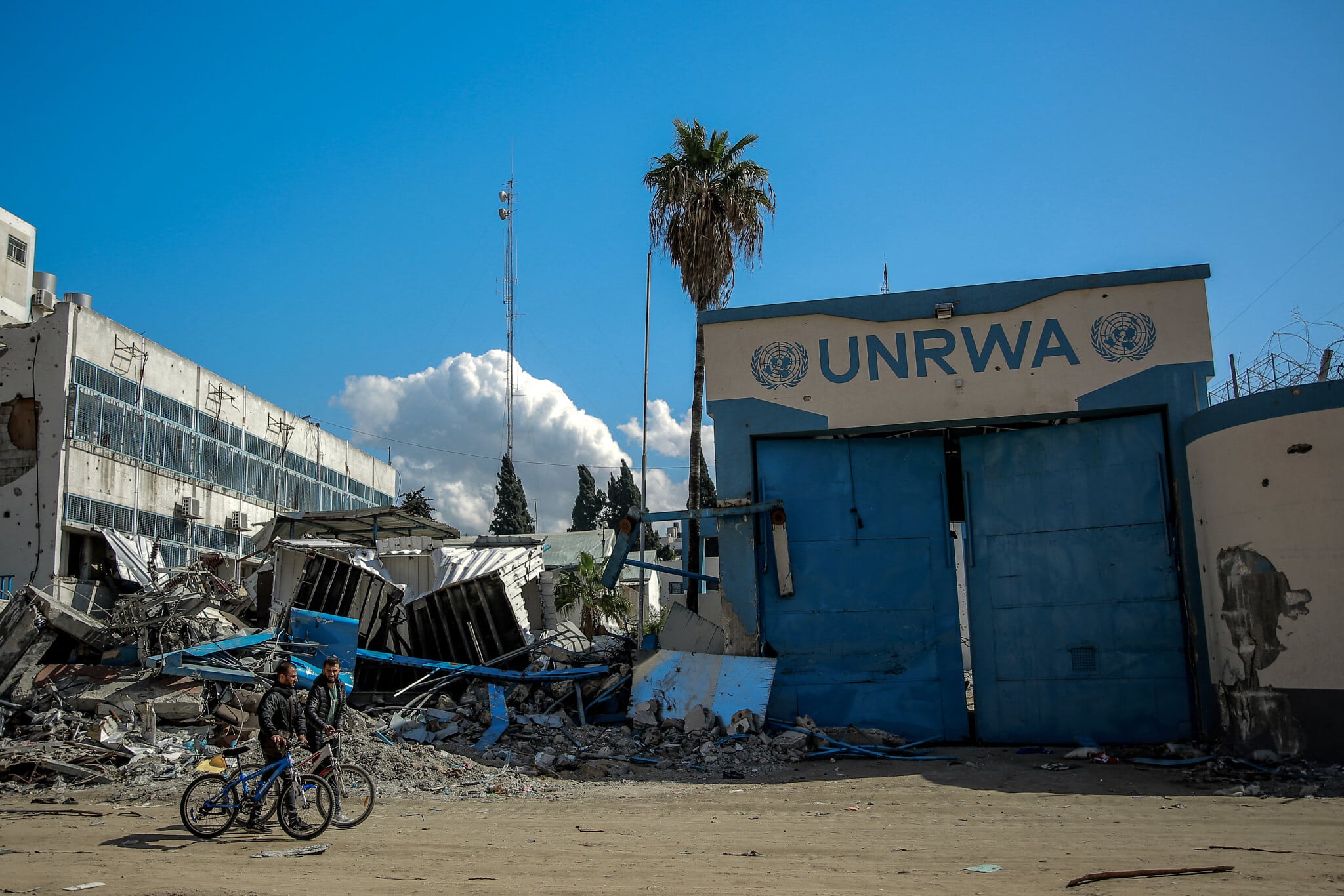
UNRWA Fires 70 Gaza Staff Members, Denies Terminations Validate Hamas Allegations
The UN agency for Palestinian refugees, UNRWA, has dismissed 70 employees in Gaza with immediate effect, citing safety and security risks. The move follows a USAID investigation that referred over 100 UNRWA staff for suspension or dismissal, and longstanding Israeli allegations that significant portions of the agency's workforce have ties to Hamas. The firings mark a significant but contested step in addressing accusations that have dogged the agency since the October 7, 2023 attacks, while UNRWA insists the dismissals are not an admission of guilt.
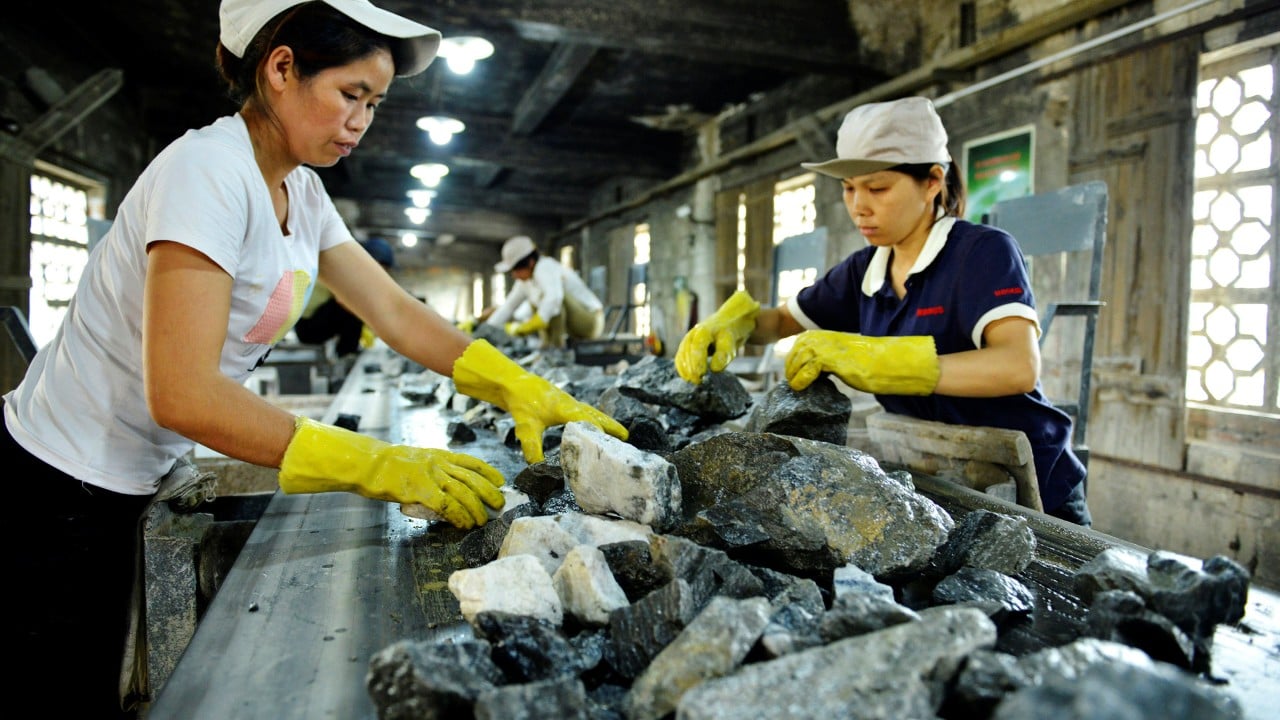
China's Tungsten Export Controls Ripple Through Global Supply Chains, From AI Chips to Weapons
China's 2025 export restrictions on tungsten have triggered price surges, potential production halts at Japanese semiconductor gas manufacturers, and a push to revive domestic mining in the United States. Tungsten, of which China produces over 78 percent of global supply, is critical to both advanced AI chipmaking and military munitions. The disruptions are exposing deep vulnerabilities in Western and Asian supply chains for a material with few short-term substitutes.

Rain Delays Start of India vs Afghanistan 1st ODI in Dharamshala
Persistent drizzle has delayed the toss and cast doubt over the first ODI between India and Afghanistan at the Himachal Pradesh Cricket Association Stadium in Dharamshala. The meteorological department issued an orange alert for June 12 warning of thunderstorms and hail across parts of Himachal Pradesh, with a 60–70% chance of showers forecast throughout the day. The delay threatens what would have been a historically significant match — the first-ever bilateral ODI series between the two nations.