Britain's Economic Decline: From Postimperial Power to Stagnation
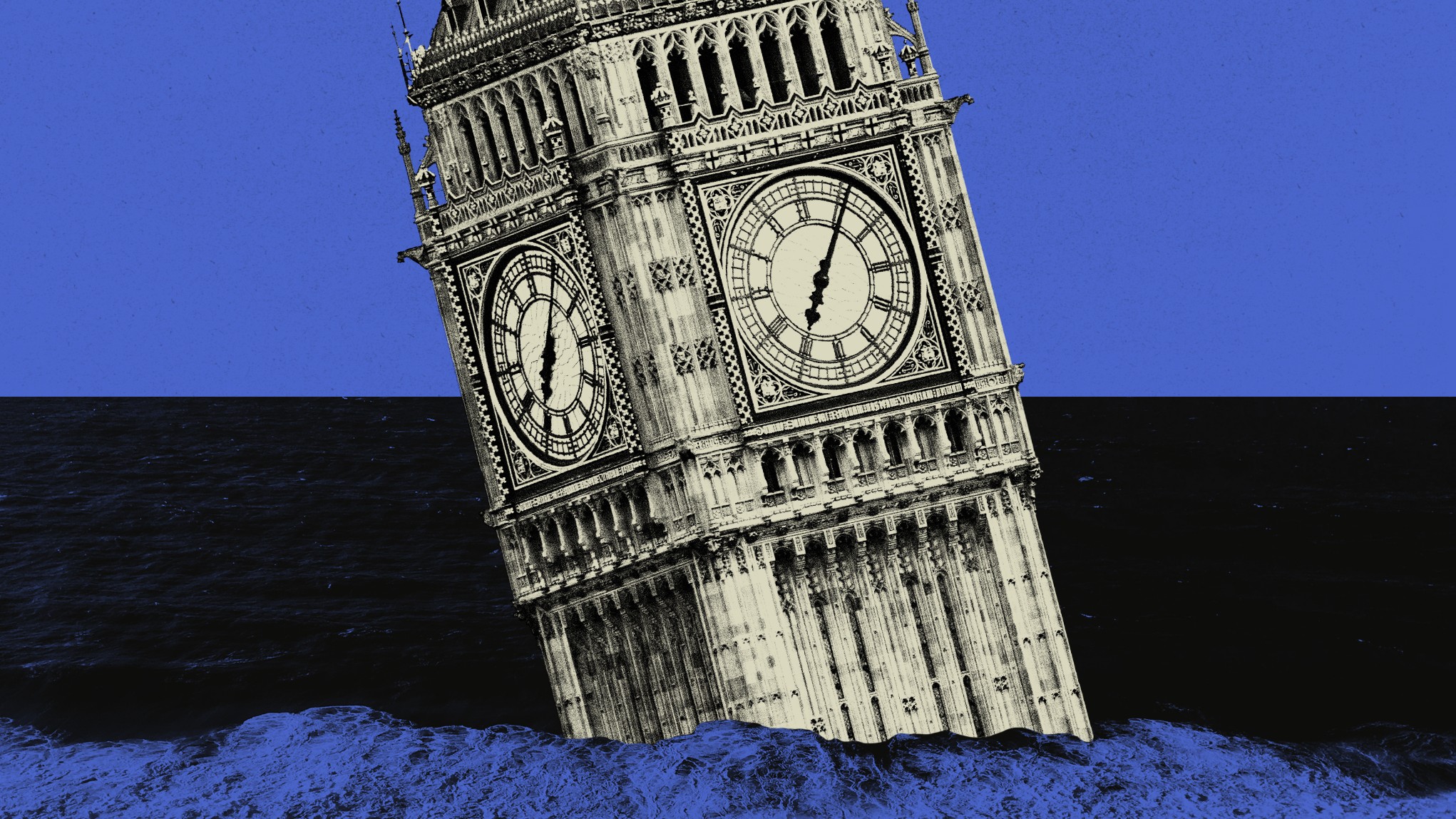
Britain's economic output per person has fallen to roughly the level of Mississippi, America's poorest state, marking a significant decline from 2007 when the country was at its postimperial peak. The stagnation reflects 18 years of challenges including the 2008 financial crisis, Brexit, political instability with six prime ministers since 2010, and deteriorating public services. The trend matters because it signals a fundamental shift in Britain's global economic standing and raises questions about long-term competitiveness and living standards.
Britain's median household income surpassed Germany's in 2007, and London was displacing New York as a global banking center. Since then, the country has experienced consistent economic stagnation. Current output per capita is now only marginally above Mississippi's, with regional disparities so severe that areas outside London fall below Mississippi's living standards. The pound has depreciated from over $2 to approximately $1.35, while British wages have barely grown when adjusted for inflation and lag significantly behind comparable European nations and the United States. Public services have deteriorated despite taxation reaching its highest level since World War II, with the National Health Service facing a 6 million-patient backlog and junior doctors striking repeatedly over low salaries. The article attributes this decline not merely to external shocks—which other countries also weathered—but to self-sabotaging policy responses, with Brexit cited as the most prominent example.
What's missing
The article does not provide specific GDP per capita figures for Britain versus Mississippi to substantiate the core comparison, nor does it cite the source of the output-per-capita data. Additionally, while the article mentions a Douglas Carswell piece titled 'Is Mississippi really as poor as Britain?' it does not explain what alternative perspective or counterargument Carswell presents.
What different sources said
- The AtlanticLeft
How Britain Became as Poor as Mississippi
Related
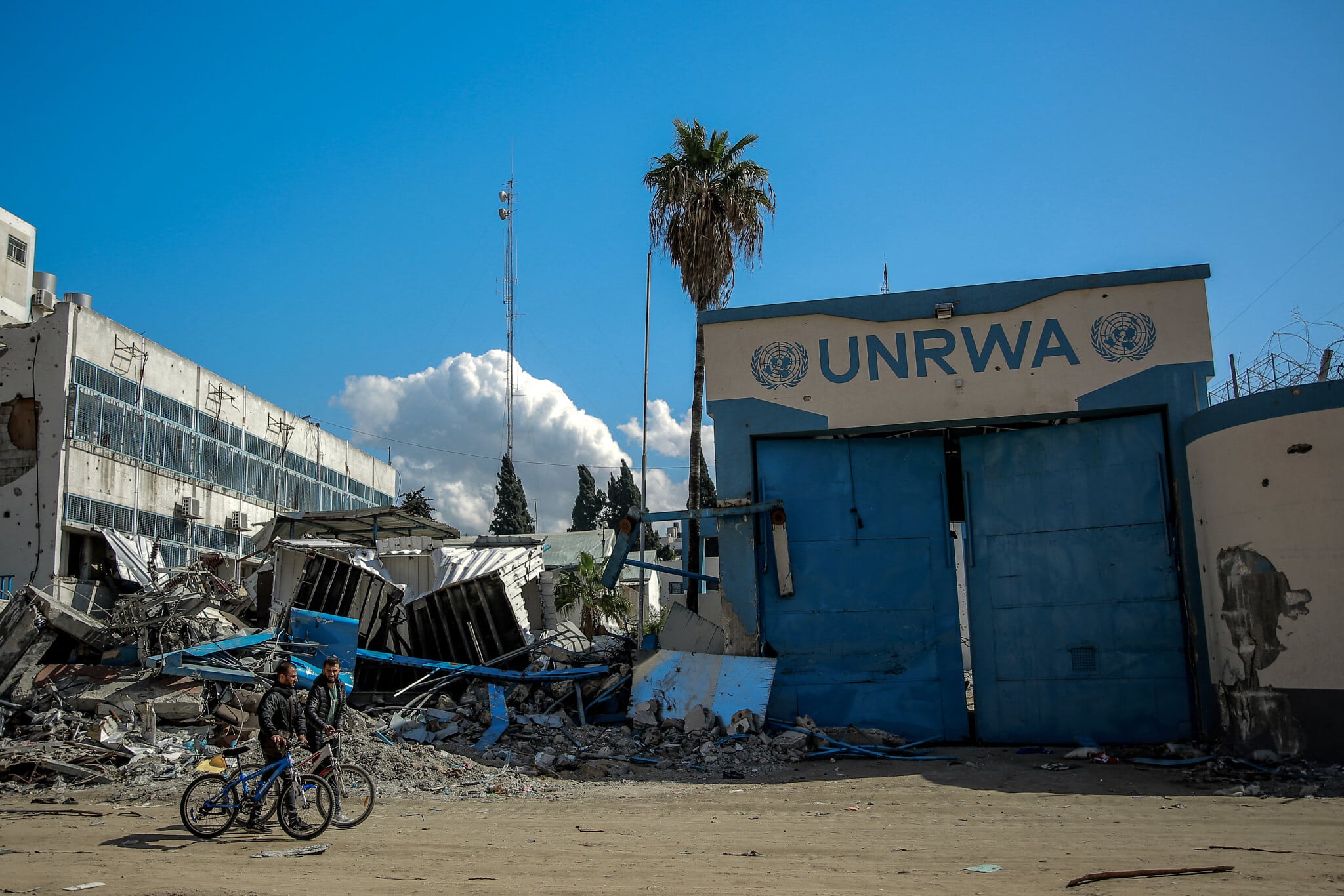
UNRWA Fires 70 Gaza Staff Members, Denies Terminations Validate Hamas Allegations
The UN agency for Palestinian refugees, UNRWA, has dismissed 70 employees in Gaza with immediate effect, citing safety and security risks. The move follows a USAID investigation that referred over 100 UNRWA staff for suspension or dismissal, and longstanding Israeli allegations that significant portions of the agency's workforce have ties to Hamas. The firings mark a significant but contested step in addressing accusations that have dogged the agency since the October 7, 2023 attacks, while UNRWA insists the dismissals are not an admission of guilt.
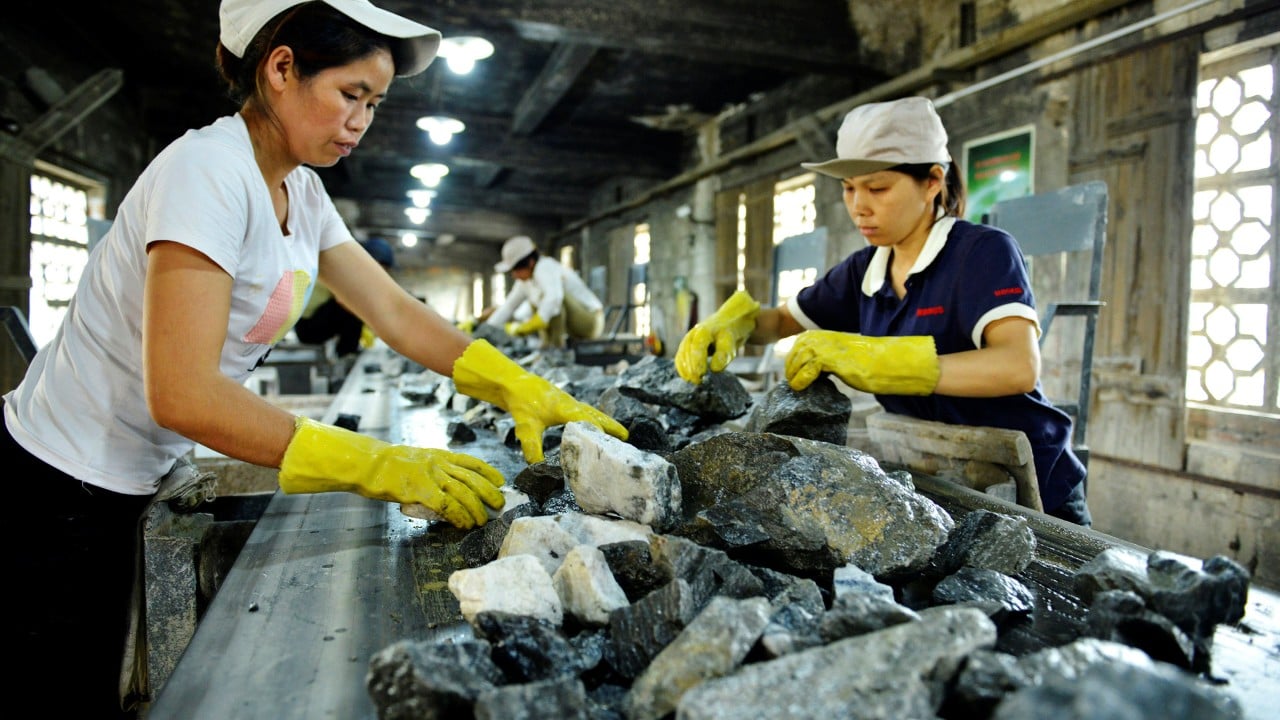
China's Tungsten Export Controls Ripple Through Global Supply Chains, From AI Chips to Weapons
China's 2025 export restrictions on tungsten have triggered price surges, potential production halts at Japanese semiconductor gas manufacturers, and a push to revive domestic mining in the United States. Tungsten, of which China produces over 78 percent of global supply, is critical to both advanced AI chipmaking and military munitions. The disruptions are exposing deep vulnerabilities in Western and Asian supply chains for a material with few short-term substitutes.

Rain Delays Start of India vs Afghanistan 1st ODI in Dharamshala
Persistent drizzle has delayed the toss and cast doubt over the first ODI between India and Afghanistan at the Himachal Pradesh Cricket Association Stadium in Dharamshala. The meteorological department issued an orange alert for June 12 warning of thunderstorms and hail across parts of Himachal Pradesh, with a 60–70% chance of showers forecast throughout the day. The delay threatens what would have been a historically significant match — the first-ever bilateral ODI series between the two nations.