Bipartisan bill would adjust federal tax brackets based on regional cost of living

Democratic Rep. Laura Gillen and Republican Rep. Mike Lawler introduced the Cost of Living Tax Cut Act, which would adjust federal income tax brackets based on each region's cost of living using Commerce Department data. The bill aims to prevent residents of high-cost areas like New York from being unfairly penalized by the current tax system, with potential savings of up to $1,100 annually for some Long Island earners. The proposal faces an uncertain path in Congress but represents continued bipartisan effort by the two representatives on tax relief for their constituents.
Democratic Rep. Laura Gillen of Long Island and Republican Rep. Mike Lawler of the Hudson Valley introduced the Cost of Living Tax Cut Act, a bipartisan proposal to adjust federal income tax brackets based on regional cost of living indices. The bill would use the Commerce Department's Regional Price Parities indexes to develop a formula adjusting each tax threshold, rounded to the nearest $50. According to Gillen's office, an individual earning $105,000 on Long Island could save approximately $1,100 annually under the proposal. The representatives argue the current tax system unfairly penalizes residents of high-cost areas; Long Island's cost of living is roughly 32% higher than the national average, and median home prices in Nassau County exceed $850,000 compared to the national average of $412,000. Both lawmakers have previously collaborated on bipartisan legislation and have advocated for increasing the state and local tax deduction (SALT) cap. While the bill faces significant hurdles in Congress, the representatives are focused on raising awareness of the concept.
What's missing
The article does not provide details on the bill's estimated fiscal cost to the federal government, potential impacts on other regions with lower costs of living, or specific legislative timeline and committee assignments.
What different sources said
- New York PostRight
Reps. Laura Gillen, Mike Lawler push bipartisan bill that would slash New Yorkers’ federal taxes
Related

Halfway Through 2026 Primary Season: Six Key Takeaways from Congressional Races
Four more states held primaries this week, bringing the total to 26 states that have completed regular congressional primaries in the 2026 midterm cycle. Key patterns emerging include front-runners not always winning, House members struggling to advance to statewide office, and President Trump's endorsement record remaining largely successful despite low approval ratings. These trends are shaping the competitive landscape for the general election.
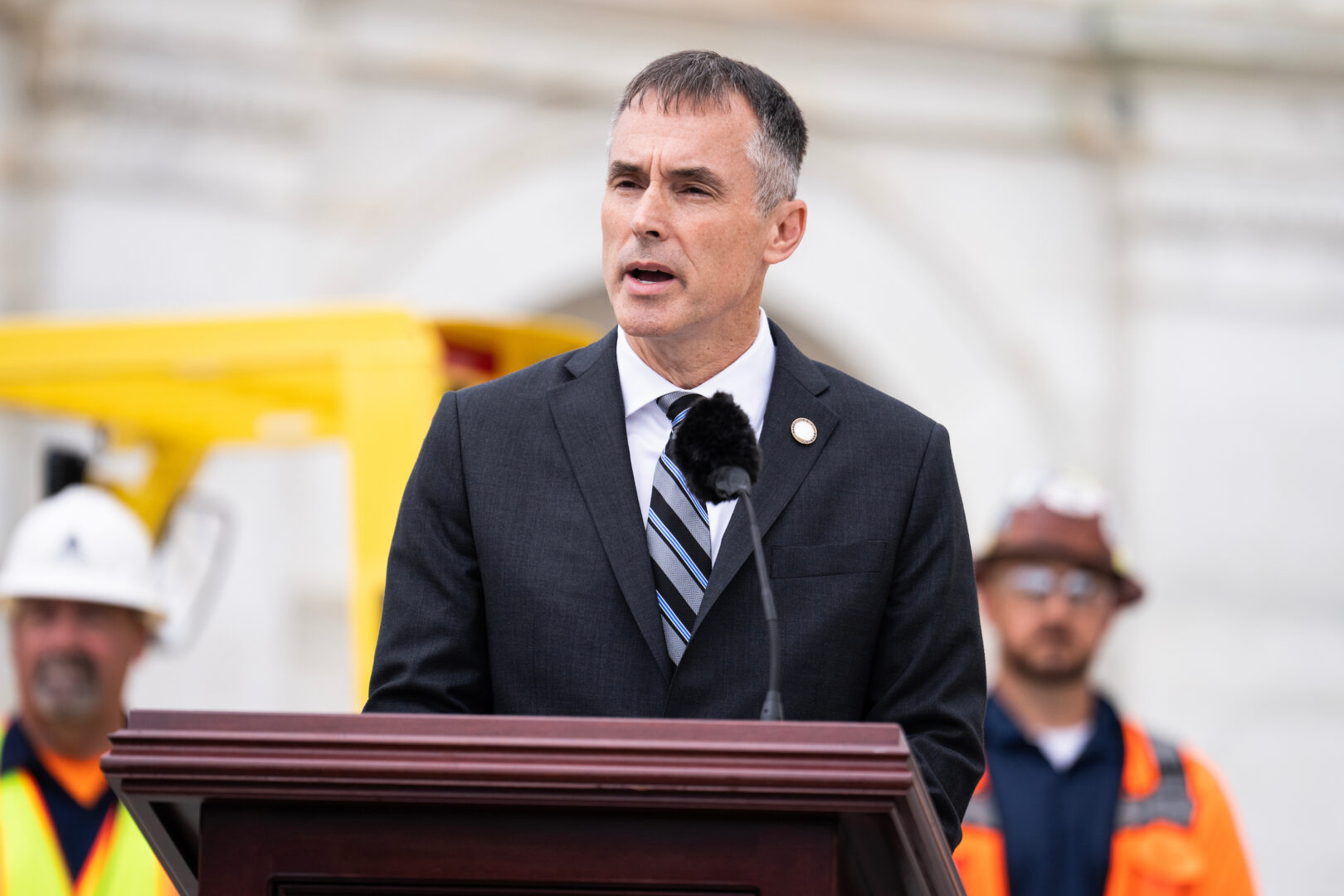
Congress Struggles to Build Support for $9 Billion Rayburn House Office Building Renovation
The Architect of the Capitol is pushing for a major renovation of the Rayburn House Office Building, which could cost $9 billion and last until 2045, but lawmakers remain hesitant to commit to the project. The building, constructed in 1965, is experiencing serious deterioration including 16 major leaks in the past year alone and risks of catastrophic system failure. The challenge reflects a broader political difficulty: Congress has historically been reluctant to fund its own infrastructure, with legislative branch spending averaging just 0.15 percent of total budget authority since 1976.

Study Finds College Faculty Lean Significantly Left, Raising Questions About Campus Ideological Diversity
A study commissioned by the Foundation for Individual Rights and Expression found that college faculty donors have an average ideology score of -1.02, comparable to Senator Bernie Sanders's -1.14, indicating strong leftward lean among faculty. The research cross-referenced over 100,000 faculty members with campaign contribution data, and separate surveys found only 20% of faculty believed a conservative scholar would be welcome in their department. The findings raise concerns about ideological diversity in higher education and its potential influence on student political attitudes.