Best VPNs for US Users in 2026: Top Providers Compared
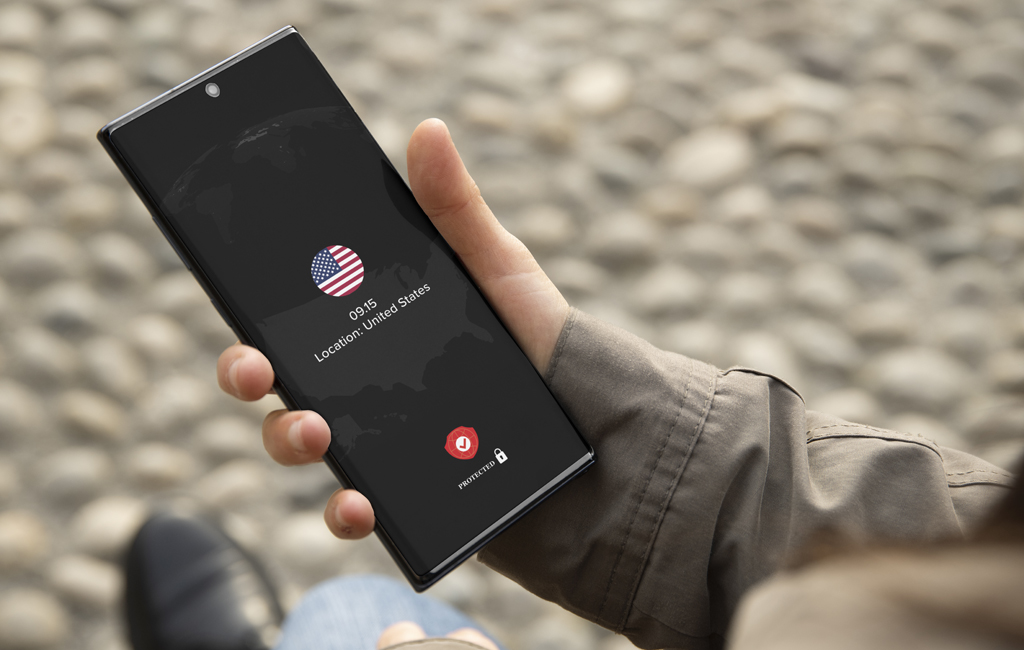
Salon published a guide ranking the best VPN services for American users in 2026, evaluating providers like NordVPN, ExpressVPN, Surfshark, Proton VPN, and CyberGhost. The article notes that 42% of Americans now use VPNs as privacy concerns grow due to ISP throttling, government surveillance, and corporate data collection. VPN selection matters because users need reliable protection for streaming, public Wi-Fi security, and accessing geo-restricted content.
Salon's VPN guide evaluates five major providers based on encryption strength, server networks, streaming reliability, privacy policies, and security features. NordVPN is ranked as the best overall option with 8,000+ servers across 120+ countries, while ExpressVPN excels for streaming, Surfshark offers the best value at $1.99/month on longer plans, Proton VPN emphasizes privacy with independently audited no-logs policies, and CyberGhost prioritizes user simplicity. The article contextualizes VPN adoption within broader US privacy challenges, including the 1998 Digital Millennium Copyright Act's impact on torrenting, ISP bandwidth throttling, and increased surveillance from both government and corporate entities. Each provider is evaluated against criteria including encryption protocols (primarily AES-256 variants), jurisdiction in privacy-friendly countries, and compatibility with major streaming platforms like Netflix and Hulu.
What's missing
The article does not discuss potential legal or regulatory risks of VPN use in the United States, nor does it address the debate over whether VPNs for torrenting may violate copyright law despite encryption. Additionally, the article lacks information about VPN logging practices beyond Proton VPN's audit, independent verification of other providers' no-logs claims, or discussion of VPN security vulnerabilities and breach history.
What different sources said
- SalonLeft
Best VPN in the US for 2026: Fast, secure, and streaming-ready
Related
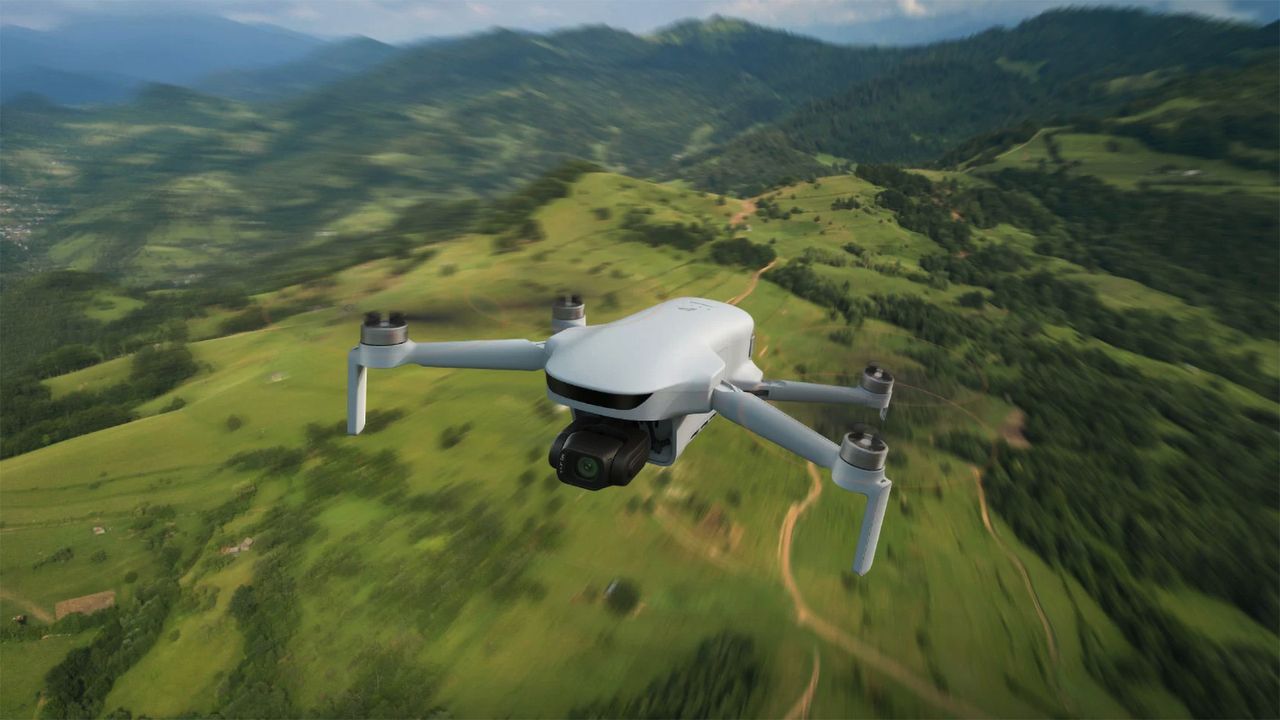
Potensic Atom 3 Drone Offers DJI Alternative for Global Markets, But Faces US Import Ban
Potensic has released the Atom 3, an upgraded beginner drone featuring a larger sensor, 4K 60fps video, improved battery life, and AI tracking capabilities at competitive pricing ($429.99-$549.99). The drone competes directly with DJI's Lito X1 but faces the same regulatory barriers as DJI in the US market due to a ban on foreign-made drones. The availability restrictions highlight ongoing US trade restrictions on Chinese drone manufacturers and limit consumer choice in the American market.

Wing and Walmart Expand Drone Delivery to Seven Additional U.S. Cities
Alphabet-owned Wing and Walmart are expanding their drone delivery partnership to seven new U.S. cities including Memphis, New Orleans, Philadelphia, Phoenix, San Diego, the San Francisco Bay Area, and Salt Lake City. The expansion is part of a plan to reach over 270 Walmart locations by next year, building on successful deployments in Atlanta, Dallas-Fort Worth, and Houston. The move signals that drone delivery is transitioning from a novelty service to a mainstream logistics option, with Wing having completed over 1 million commercial deliveries.

Anthropic CEO Calls for FAA-Style Regulation of Powerful AI Models
Anthropic CEO Dario Amodei published an essay calling for government regulation of powerful AI models, comparing the approach to FAA oversight of commercial aviation. The proposal includes mandatory third-party testing for frontier models and potential government authority to block or delay their deployment if they pose safety risks. The call comes as Anthropic released Claude Fable 5 and an updated Claude Mythos 5 model with advanced cybersecurity capabilities.