Australia's Fuel Supply Adapts as Asian Refineries Pivot Away from Middle Eastern Oil During US-Iran Conflict
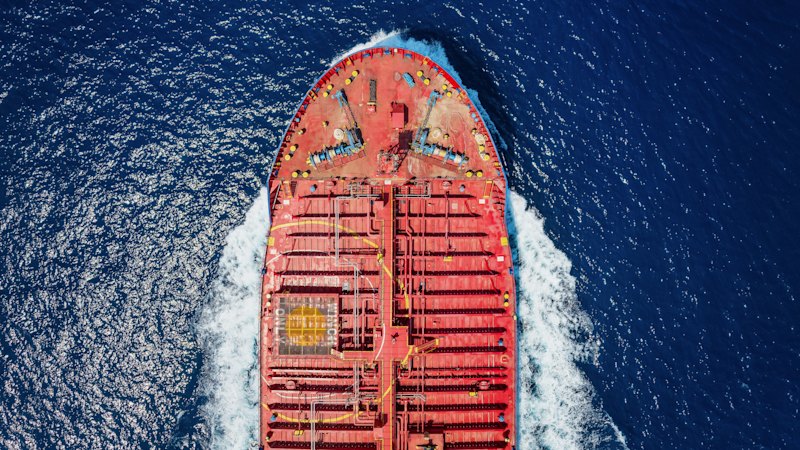
Despite predictions of fuel shortages, Australia's petrol and diesel stockpiles have grown to record levels as Asian refineries that supply 90% of the nation's fuel have successfully sourced crude oil from alternative suppliers worldwide, including the US, Canada, Brazil, and African nations. The Strait of Hormuz closure in late February 2026 due to renewed US-Iran hostilities initially threatened global oil supplies, but producers and refineries rapidly adapted by establishing new supply chains and long-term contracts. This supply chain resilience demonstrates global trade flexibility, though it comes at the cost of higher oil prices and disproportionate impacts on poorer nations in the region.
When the US-Iran conflict reignited in late February 2026 and closed the Strait of Hormuz—which carries 15% of the world's oil supply—analysts warned Australia would face severe fuel shortages by May. However, by early June, Australian fuel stockpiles had reached record levels, defying these predictions. Asian refineries, which previously sourced over 90% of their crude from the Middle East, rapidly pivoted to alternative suppliers including the United States, Canada, Brazil, Mexico, Colombia, and African nations like Gabon and Congo. The shift reflects significant adaptability in global oil markets, with producers worldwide increasing output and reopening mothballed facilities to capitalize on wartime prices, which spiked from around $70 to over $95 per barrel. Long-term contracts extending through year-end have replaced just-in-time supply chains, and new diesel shipments from the US have become routine. While this rebalancing has kept wealthy nations like Australia adequately supplied, the higher oil prices and supply disruptions have disproportionately affected poorer nations in the region.
What's missing
The article does not specify the current status of the Strait of Hormuz closure or provide details on the specific terms and duration of the US-Iran conflict that began in February 2026. Additionally, while the article mentions impacts on 'the poorest in the region,' it does not elaborate on which specific nations or populations are most affected or quantify the humanitarian consequences.
What different sources said
- Sydney Morning HeraldCenter
With no end in sight to US-Iran war, Australia is getting oil from some unlikely places
Related

UK Government to Extend Shop Closure Powers to 12 Months Following BBC Investigation into Illegal Mini-Marts
The UK government announced new powers allowing authorities to close illegal mini-marts, barbers, and vape shops for up to 12 months, doubling the current maximum closure period of six months. The change follows a BBC News investigation exposing drug gangs, money laundering, and other organized crime linked to shops selling illegal cigarettes, vapes, and drugs on British high streets. The measure aims to give investigators more time to gather evidence and prevent rogue operators from quickly reopening, with support from Trading Standards officers who have long lacked sufficient enforcement tools.
Belfast Residents Evacuate as Disorder Erupts Following Knife Attack
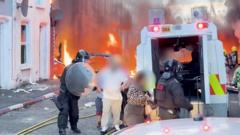
Residents in Belfast have been forced to flee their homes as cars and houses are set on fire following a knife attack in north Belfast on Monday night. A 30-year-old Sudanese man has been charged with attempted murder, while a victim remains hospitalized with serious injuries. The disorder has prompted police to call for calm as sporadic violence breaks out across Northern Ireland.
Russian General Killed in Moscow Car Bombing; Ukraine War Escalates with Drone Attacks and EU Sanctions
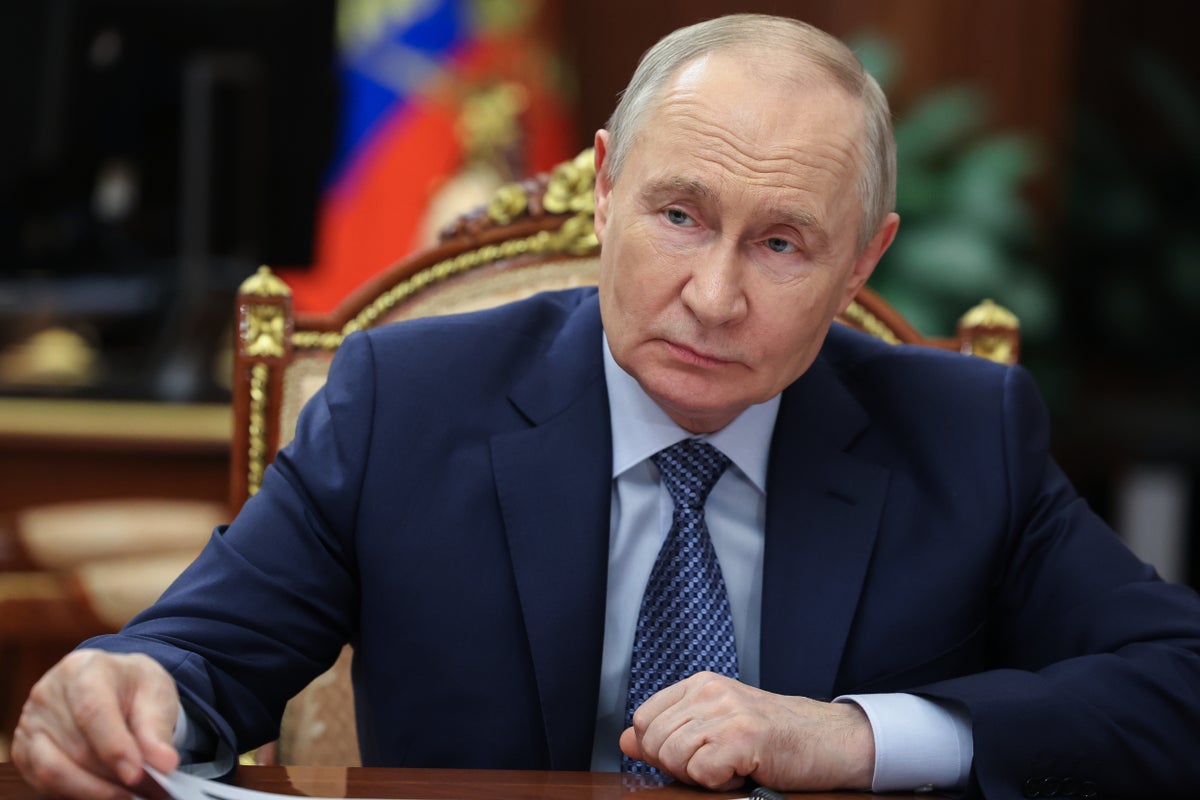
Damir Davydov, head of Russia's missile and artillery supply operations, was killed in a car explosion in the Moscow region on Tuesday morning, according to officials. The attack occurs amid intensifying Ukrainian drone strikes on Russian infrastructure and military leadership, though Ukraine has not claimed responsibility. The incident underscores the ongoing conflict's expansion into Russian territory and comes as the EU proposes its 21st sanctions package targeting Russian banks and military production.