Australians Face Crippling Legal Costs in Family Law Cases as Funding Gap Widens
Australian women fleeing domestic violence are accumulating hundreds of thousands of dollars in legal debt navigating family court proceedings, with one Sydney mother spending $500,000 over four years and exhausting her entire superannuation. Legal Aid NSW has announced it will restrict family law assistance from July 1 to only victims of domestic violence and Aboriginal people, but strict means tests still exclude many who cannot afford private lawyers. The crisis highlights a widening gap between those who qualify for legal aid and those who can afford private representation, leaving a large middle cohort — including full-time workers and homeowners — effectively priced out of justice.
Two Sydney mothers, identified only as Eloise and Lucy, have described being financially devastated by family court proceedings after fleeing abusive relationships, with Eloise accumulating $500,000 in legal fees over four years and Lucy exceeding $300,000 in debt over five years. Legal Aid NSW has warned of a funding crisis and will from July 1 limit family law assistance to domestic violence victims and Aboriginal people, but means tests continue to exclude many middle-income earners, homeowners, and those with modest savings. Steve Frost of the Horizons Family Law Centre estimates 70–80 per cent of the population cannot afford a private lawyer for a full family law case, while National Legal Aid executive director Yvette D'Ath says only around 8 per cent of Australian households — a figure she believes has since fallen — qualify for legal aid. The Federal Circuit and Family Court's 2024–25 annual report shows the proportion of parenting cases alleging family violence rose from 80 to 86 per cent over four years, intensifying demand for legal representation. Lawyers and advocates describe a pattern in which abusive ex-partners deliberately self-represent to drive up the other party's legal costs, a tactic the court rarely deters through cost orders. Proposed partial solutions include government-funded early legal advice, unbundled legal services, and the AI tool Amica for amicable separations, but experts say no single fix addresses the systemic underfunding.
What's missing
The articles do not include any response from the Australian federal or state governments regarding the legal aid funding shortfall, nor do they detail what specific budget allocations have been made or cut. The income and asset thresholds that define legal aid eligibility are referenced but not quantified, which would help readers assess where the means-test cutoff actually falls.
What different sources said
- The AgeCenter
‘I will work until the day I die’: The crippling cost of family law fights
- Sydney Morning HeraldCenter
‘I will work until the day I die’: The crippling cost of family law fights
Related
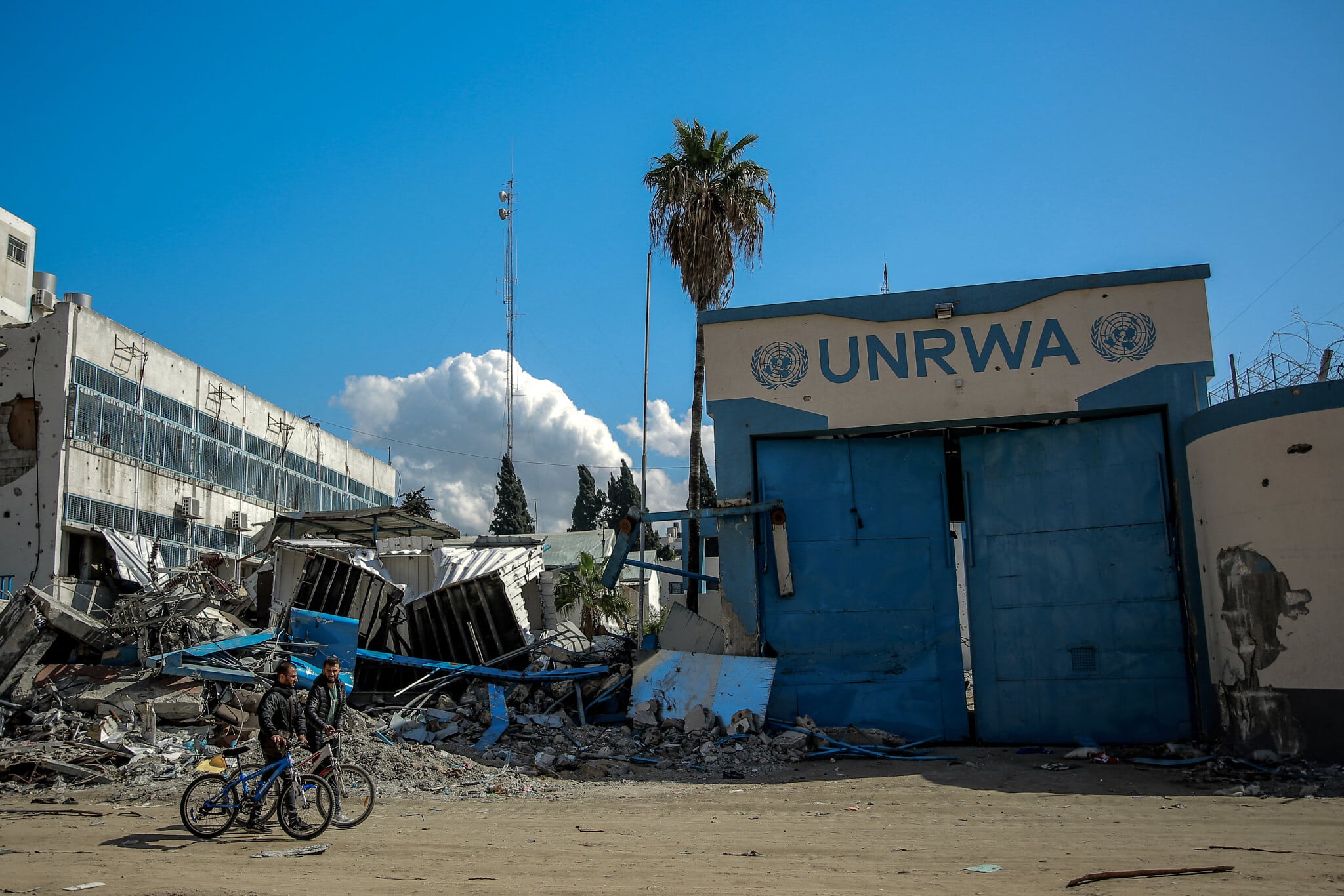
UNRWA Fires 70 Gaza Staff Members, Denies Terminations Validate Hamas Allegations
The UN agency for Palestinian refugees, UNRWA, has dismissed 70 employees in Gaza with immediate effect, citing safety and security risks. The move follows a USAID investigation that referred over 100 UNRWA staff for suspension or dismissal, and longstanding Israeli allegations that significant portions of the agency's workforce have ties to Hamas. The firings mark a significant but contested step in addressing accusations that have dogged the agency since the October 7, 2023 attacks, while UNRWA insists the dismissals are not an admission of guilt.
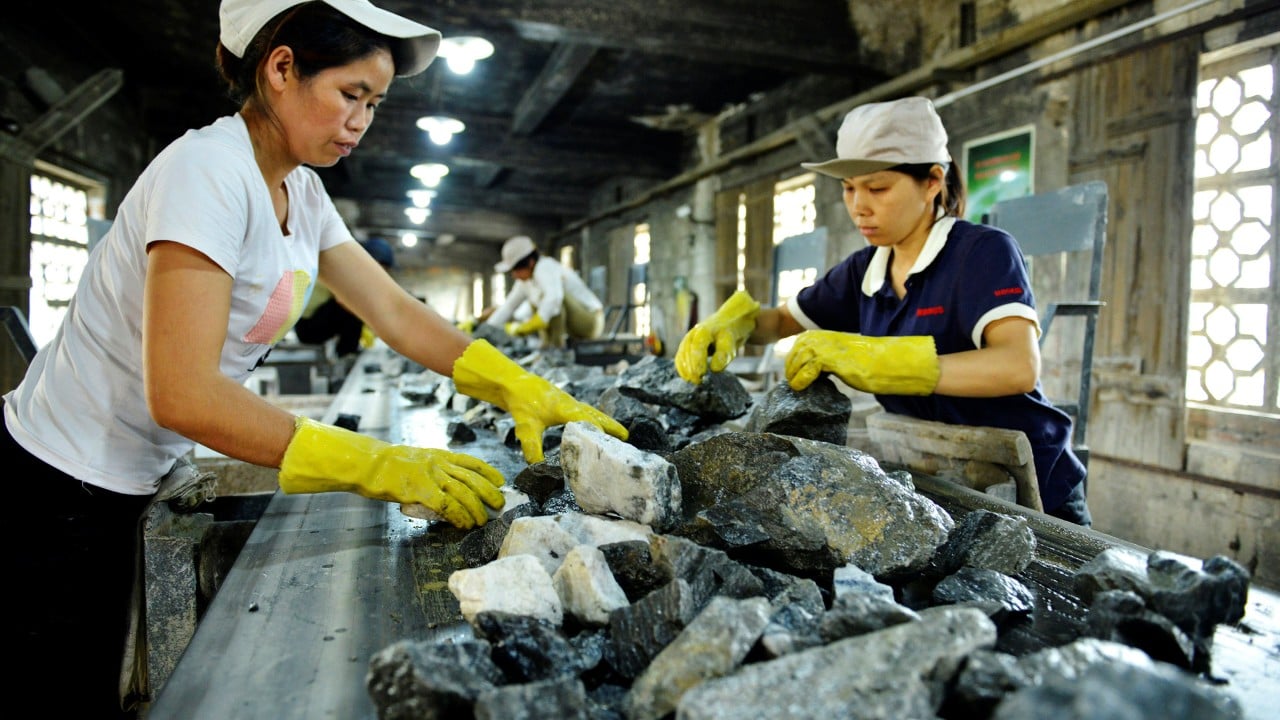
China's Tungsten Export Controls Ripple Through Global Supply Chains, From AI Chips to Weapons
China's 2025 export restrictions on tungsten have triggered price surges, potential production halts at Japanese semiconductor gas manufacturers, and a push to revive domestic mining in the United States. Tungsten, of which China produces over 78 percent of global supply, is critical to both advanced AI chipmaking and military munitions. The disruptions are exposing deep vulnerabilities in Western and Asian supply chains for a material with few short-term substitutes.

Rain Delays Start of India vs Afghanistan 1st ODI in Dharamshala
Persistent drizzle has delayed the toss and cast doubt over the first ODI between India and Afghanistan at the Himachal Pradesh Cricket Association Stadium in Dharamshala. The meteorological department issued an orange alert for June 12 warning of thunderstorms and hail across parts of Himachal Pradesh, with a 60–70% chance of showers forecast throughout the day. The delay threatens what would have been a historically significant match — the first-ever bilateral ODI series between the two nations.