Australian Government's Property Tax Reforms Expected to Reduce Short-Term Rentals and Free Up Housing

The Australian federal government's overhaul of property taxes, including changes to capital gains tax and negative gearing, is expected to discourage investment in short-term rentals like Airbnb and potentially increase long-term rental supply. Prime Minister Anthony Albanese has identified short-term rentals as a contributing factor to Australia's tight rental market, where vacancy rates have fallen below 1 percent and rents have jumped over 22 percent since mid-2023. The reforms aim to help young Australians access housing by making short-term rental investment less financially attractive to property investors.
Australia's federal government is implementing property tax reforms designed to discourage short-term rental investment and increase long-term housing supply. With an estimated 175,000 short-term rentals representing 1-2 percent of the rental market, primarily concentrated in capital cities and tourist centers, the government argues these properties have contributed to a severe housing shortage. The reforms limit negative gearing to new builds, protecting existing negatively geared rentals but removing tax incentives for investors considering purchasing properties to convert to short-term rentals. Government modelling suggests house prices will be 2 percent lower than without reforms, while rental increases may be limited to less than $2 weekly. Urban planning experts note the reforms will have a marginal but meaningful effect, particularly in holiday destinations like Byron Bay where capital gains are traditionally smaller, potentially shifting some investors toward long-term rentals.
What's missing
The article does not provide details on the specific timeline for implementation of these tax reforms or the full scope of the negative gearing changes beyond the limitation to new builds.
What different sources said
- Sydney Morning HeraldCenter
The short-term stay that tax reform may make permanent
Related
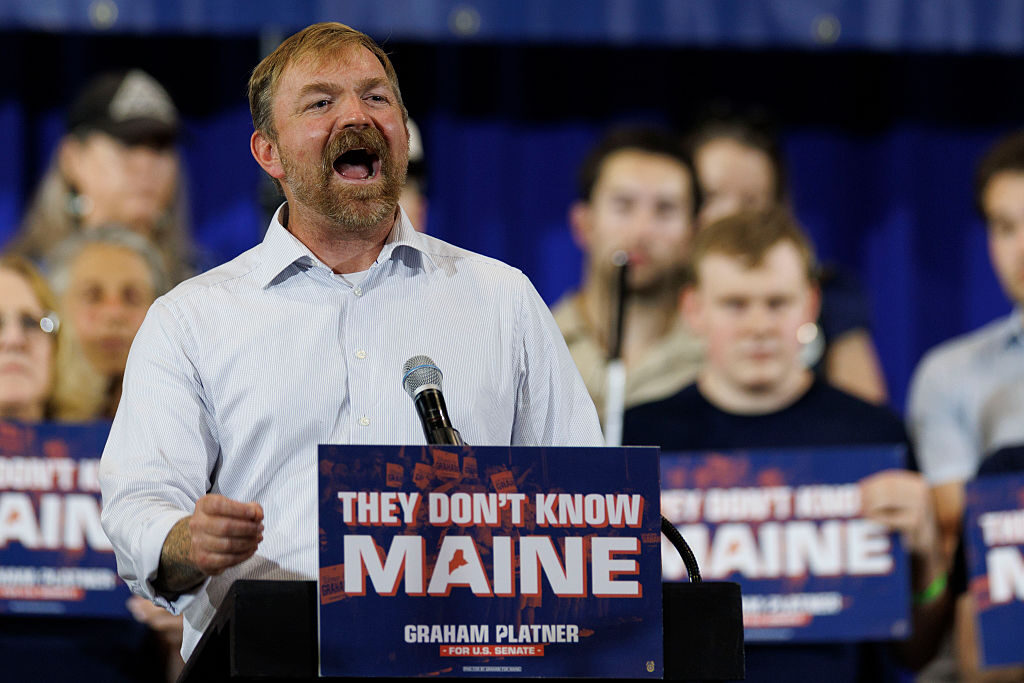
Halfway Through 2026 Primary Season: Six Key Takeaways from Congressional Races
Four more states held primaries this week, bringing the total to 26 states that have completed regular congressional primaries in the 2026 midterm cycle. Key patterns emerging include front-runners not always winning, House members struggling to advance to statewide office, and President Trump's endorsement record remaining largely successful despite low approval ratings. These trends are shaping the competitive landscape for the general election.
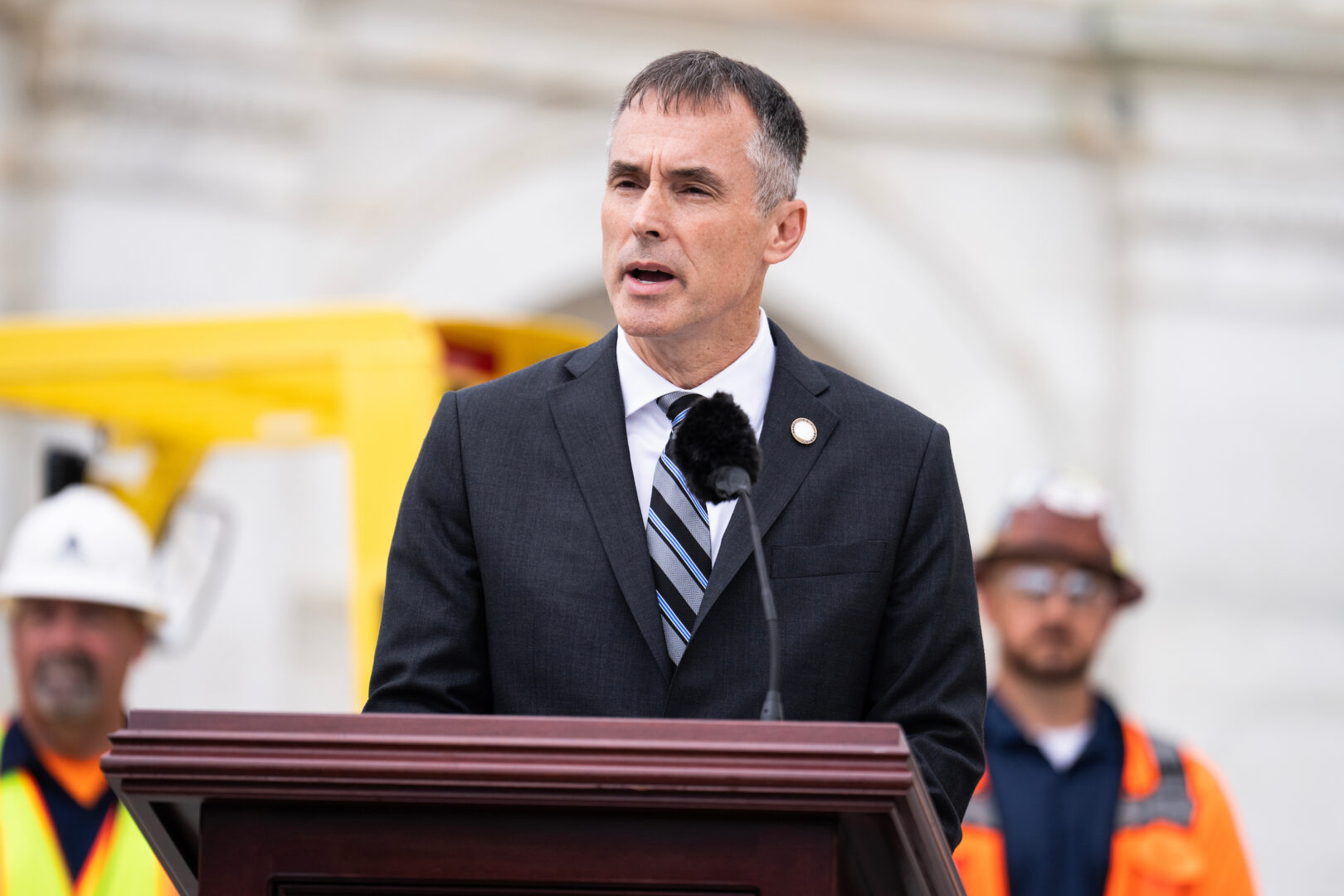
Congress Struggles to Build Support for $9 Billion Rayburn House Office Building Renovation
The Architect of the Capitol is pushing for a major renovation of the Rayburn House Office Building, which could cost $9 billion and last until 2045, but lawmakers remain hesitant to commit to the project. The building, constructed in 1965, is experiencing serious deterioration including 16 major leaks in the past year alone and risks of catastrophic system failure. The challenge reflects a broader political difficulty: Congress has historically been reluctant to fund its own infrastructure, with legislative branch spending averaging just 0.15 percent of total budget authority since 1976.

Study Finds College Faculty Lean Significantly Left, Raising Questions About Campus Ideological Diversity
A study commissioned by the Foundation for Individual Rights and Expression found that college faculty donors have an average ideology score of -1.02, comparable to Senator Bernie Sanders's -1.14, indicating strong leftward lean among faculty. The research cross-referenced over 100,000 faculty members with campaign contribution data, and separate surveys found only 20% of faculty believed a conservative scholar would be welcome in their department. The findings raise concerns about ideological diversity in higher education and its potential influence on student political attitudes.