ASML CEO Warns EU Against Tech Intervention Without Domestic Supply Chain
Christophe Fouquet, CEO of Dutch chip equipment maker ASML, criticized the EU's aggressive technology independence strategy, arguing Brussels cannot effectively intervene in semiconductor supply chains without first building competitive European alternatives. The warning comes as the EU unveiled new semiconductor policies including emergency powers to control chip supplies during shortages. Fouquet's comments highlight a fundamental tension between EU policymakers seeking to reduce dependence on US and Asian tech and industry leaders arguing the focus should be on creating conditions for European companies to scale.
ASML's CEO Christophe Fouquet has publicly challenged the European Union's approach to achieving technological sovereignty, specifically questioning how Brussels can intervene in global semiconductor supply chains when Europe lacks the infrastructure to support such intervention. His remarks came shortly after the EU announced a semiconductor strategy with controversial emergency powers allowing direct control and diversion of chip supplies during global shortages. Fouquet pointed out that European "buy first" policies are ineffective without competitive domestic alternatives, noting that only 1% of ASML's sales occur in Europe while 80% flow to Asia. He argued that Europe needs to build multiple competitive champions across the semiconductor pipeline to reach a share proportional to its 18% of global GDP. Beyond supply chain concerns, Fouquet warned that European bureaucracy—including strict planning constraints and lengthy permitting processes that take roughly four years to build a factory—is hampering the continent's ability to compete globally, particularly as AI demand for advanced chips surges. He cautioned against heavy-handed regulations that could drive tech startups away from Europe entirely.
What different sources said
- Times of IndiaCenter
CEO of Europe’s biggest tech company to EU: Don’t intervene when you don't have your own
Related
Potensic Atom 3 Drone Offers DJI Alternative for Global Markets, But Faces US Import Ban
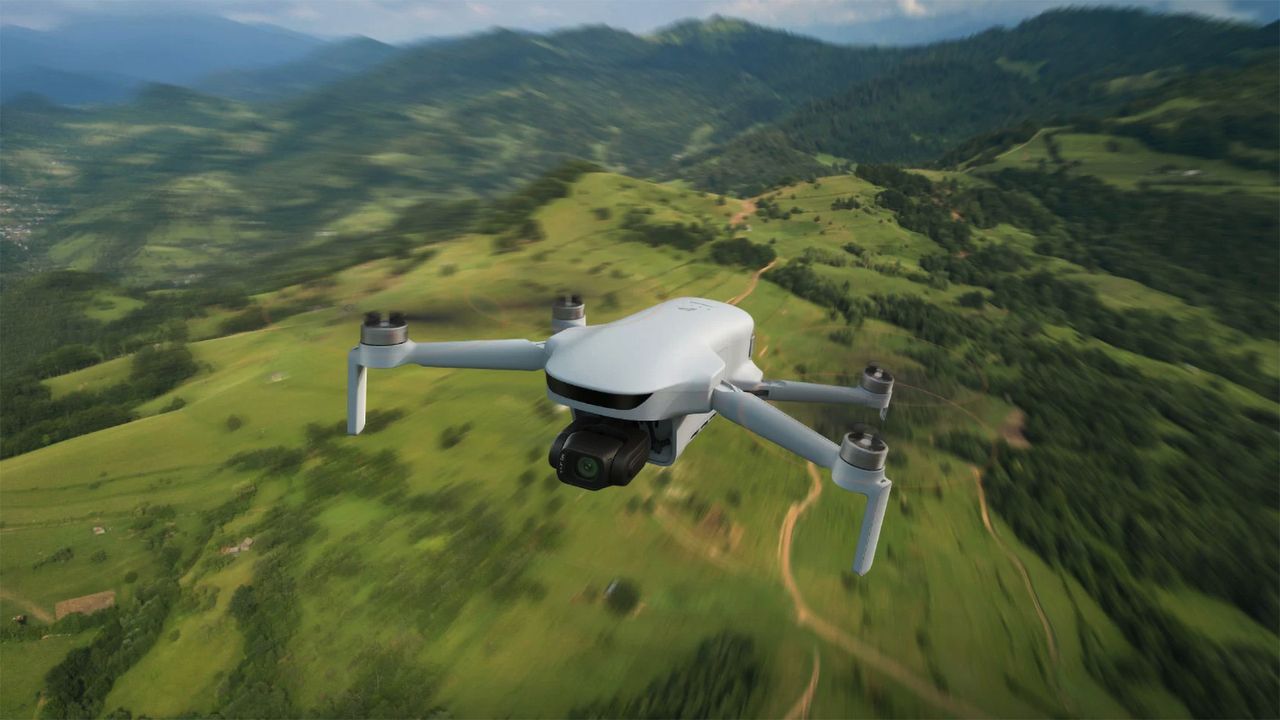
Potensic has released the Atom 3, an upgraded beginner drone featuring a larger sensor, 4K 60fps video, improved battery life, and AI tracking capabilities at competitive pricing ($429.99-$549.99). The drone competes directly with DJI's Lito X1 but faces the same regulatory barriers as DJI in the US market due to a ban on foreign-made drones. The availability restrictions highlight ongoing US trade restrictions on Chinese drone manufacturers and limit consumer choice in the American market.

Wing and Walmart Expand Drone Delivery to Seven Additional U.S. Cities
Alphabet-owned Wing and Walmart are expanding their drone delivery partnership to seven new U.S. cities including Memphis, New Orleans, Philadelphia, Phoenix, San Diego, the San Francisco Bay Area, and Salt Lake City. The expansion is part of a plan to reach over 270 Walmart locations by next year, building on successful deployments in Atlanta, Dallas-Fort Worth, and Houston. The move signals that drone delivery is transitioning from a novelty service to a mainstream logistics option, with Wing having completed over 1 million commercial deliveries.

Anthropic CEO Calls for FAA-Style Regulation of Powerful AI Models
Anthropic CEO Dario Amodei published an essay calling for government regulation of powerful AI models, comparing the approach to FAA oversight of commercial aviation. The proposal includes mandatory third-party testing for frontier models and potential government authority to block or delay their deployment if they pose safety risks. The call comes as Anthropic released Claude Fable 5 and an updated Claude Mythos 5 model with advanced cybersecurity capabilities.