Argentina Faces Injury Concerns and Aging Squad Ahead of 2026 World Cup Title Defense

The 2026 FIFA World Cup has begun across the United States, Canada, and Mexico, with multiple statistical models identifying Spain as the tournament favorite while defending champions Argentina enter with significant injury concerns. Multiple independent simulations — including a 100,000-run machine learning model from TU Dortmund and Opta's 25,000-run supercomputer — converge on Spain as most likely to win, with probabilities ranging from 14.5% to 16.1%. The expanded 48-team format introduces more uncertainty than any recent edition, with models estimating a roughly 28–36% chance that a nation without a prior World Cup title claims the trophy.
The 2026 FIFA World Cup, the first to feature 48 teams and co-hosted by the United States, Canada, and Mexico, is underway with Spain emerging as the consensus favorite across multiple independent predictive models. A machine learning simulation by statisticians at TU Dortmund, run 100,000 times, gives Spain a 14.5% title probability, followed by England and France at 12.4% each and Germany at 11.2%; Opta's 25,000-simulation supercomputer similarly places Spain first at 16.1%, with France (13%), England (11.2%), and Argentina (10.4%) behind. Defending champions Argentina enter the tournament under pressure: Lionel Messi, turning 39 during the competition, is managing a hamstring strain, while goalkeeper Emiliano Martinez, defenders Cristian Romero, Nahuel Molina, and Gonzalo Montiel are also carrying injuries, and a late squad change saw Leonardo Balerdi replaced by Marcos Senesi due to a calf injury. Despite these concerns, Argentina's group — featuring Algeria, Austria, and Jordan — is considered manageable, with analysts at Al Jazeera predicting a semifinal run. Canada, playing its first-ever home World Cup match, drew 1–1 with Bosnia and Herzegovina in Toronto, with Cyle Larin's late equalizer canceling out an early Bosnian set-piece goal; captain Alphonso Davies missed the opener due to a hamstring injury, and key defender Moïse Bombito's tournament availability remains uncertain. The expanded format, which adds a Round of 32 and increases total matches from 64 to 104, is projected to modestly erode the historical dominance of traditional powers, with one model estimating the probability of a first-time champion at approximately 28–36%.
What's missing
The various simulation models (TU Dortmund/Zeileis, Opta, Bond University/Stern, Sydney Morning Herald) produce meaningfully different probability estimates for the same teams — for example, Argentina's title odds range from 8.2% to 15.3% across models — but no source directly explains the methodological differences driving this variance. Additionally, none of the sources covering the AI predictions discuss how well these specific models have been calibrated against historical out-of-sample tournament results beyond the brief track record mentioned by Zeileis.
How coverage differed
Newsweek framed Argentina's situation primarily through the lens of decline and vulnerability, emphasizing aging players and injury setbacks, while Al Jazeera's preview was more balanced, acknowledging the same concerns but stressing Argentina's depth, tactical stability under Scaloni, and realistic path to the semifinals. On the AI prediction story, The Washington Times highlighted the upset potential and the U.S.'s slim odds in a way that emphasized American interest, while The Conversation and Fortune presented the same model in a more methodologically focused, neutral academic framing.
What different sources said
- NewsweekCenter
Argentina Raises Major Concerns Less Than 48 Hours Before 2026 World Cup
- Sportsnet.caCenter
FIFA World Cup Roundtable: How far can Canada go? Who will meet in final?
- BBC Top StoriesCenter
Canada's 2026 World Cup team - what you need to know
- ReutersCenter
World Cup 2026: teams qualified, key players and fixtures
- Sydney Morning HeraldCenter
We asked our AI model to simulate the World Cup 100,000 times. Here are the results
- Fox SportsCenter
World Cup Bold Predictions: Best Players, Storylines And Who'll Win It All
- Goal.comCenter
Who will win the 2026 World Cup? GOAL writers have their say
- EuronewsCenter
World Cup 2026: supercomputer backs Spain, former stars favour Argentina
- The Globe and MailCenter
Canada’s FIFA World Cup chances, according to our experts
- Channel NewsAsiaCenter
Argentina call up Senesi for World Cup after Balerdi injury
- New York PostRight
World Cup 2026 Group J preview: Prediction, odds, full team overviews
- Canada Soccer PressroomCenter
5 Things to Watch as CANMNT compete in a home FIFA World Cup
- Al JazeeraLeft
Argentina World Cup 2026 preview: Players to watch, group matches and squad
- CBCLeft
What to know about Canada's World Cup team
- Washington TimesRight
Spain favored to win World Cup; U.S. given 1-in-60 shot
- MarketWatchCenter
We asked AI to predict the 2026 World Cup winner. It picked a team that’s never won.
- The ConversationCenter
We ran 100,000 computer simulations of the World Cup. And the winner will be …
- Times of IndiaCenter
Who will win the 2026 FIFA World Cup? Bold prediction stuns football fans
- Sports IllustratedCenter
Three Key Takeaways From Canada’s World Cup Opener Against Bosnia & Herzegovina
- FortuneCenter
Machine learning gives the U.S. a 1% chance of winning the World Cup final in its own backyard
- NBC NewsLeft
Canadá confía en crecer tras el debut: "Ahora podemos jugar más liberados"
Canadian soccer, finally on stable ground, tightens in anticipation of a historic World Cup
Related
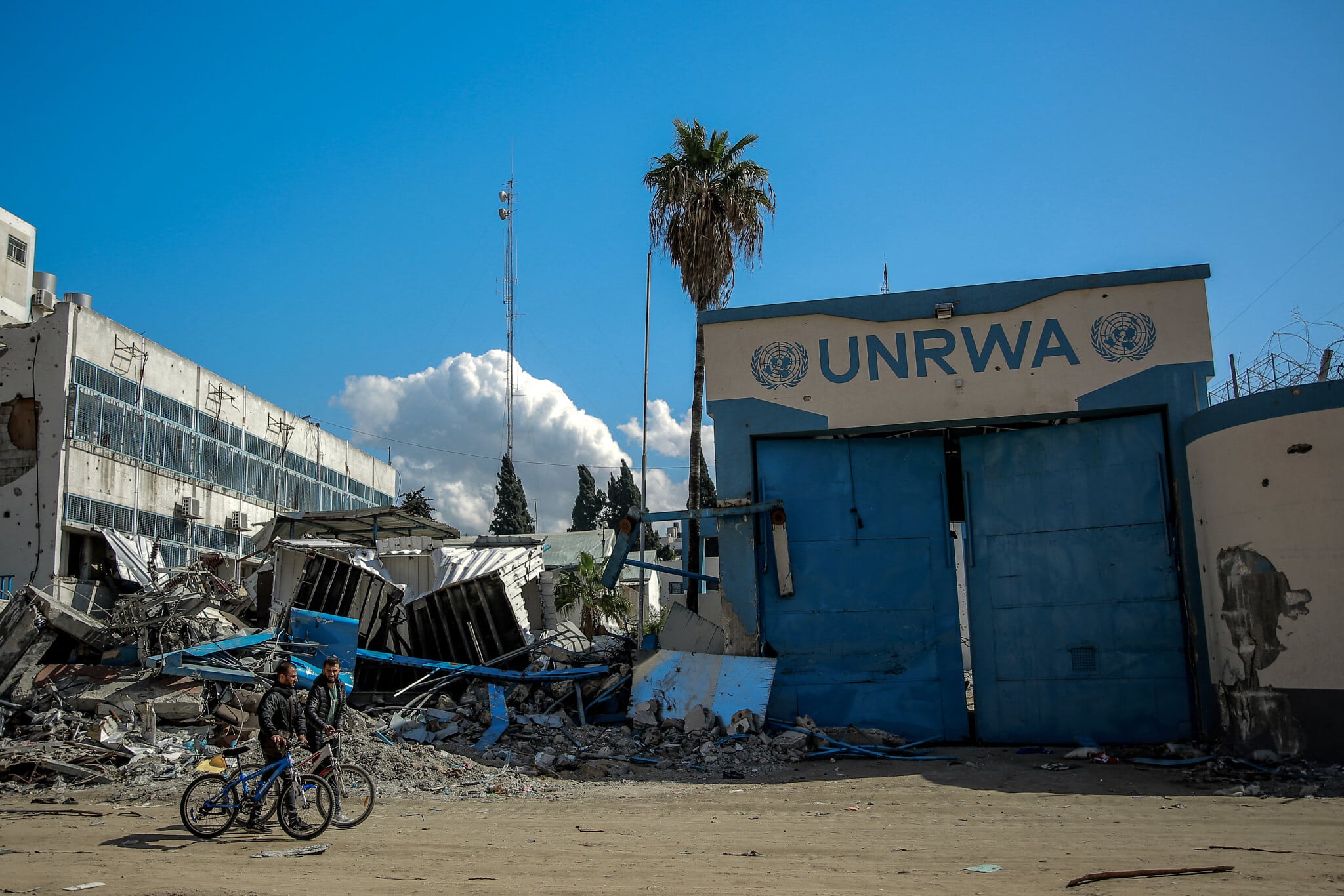
UNRWA Fires 70 Gaza Staff Members, Denies Terminations Validate Hamas Allegations
The UN agency for Palestinian refugees, UNRWA, has dismissed 70 employees in Gaza with immediate effect, citing safety and security risks. The move follows a USAID investigation that referred over 100 UNRWA staff for suspension or dismissal, and longstanding Israeli allegations that significant portions of the agency's workforce have ties to Hamas. The firings mark a significant but contested step in addressing accusations that have dogged the agency since the October 7, 2023 attacks, while UNRWA insists the dismissals are not an admission of guilt.
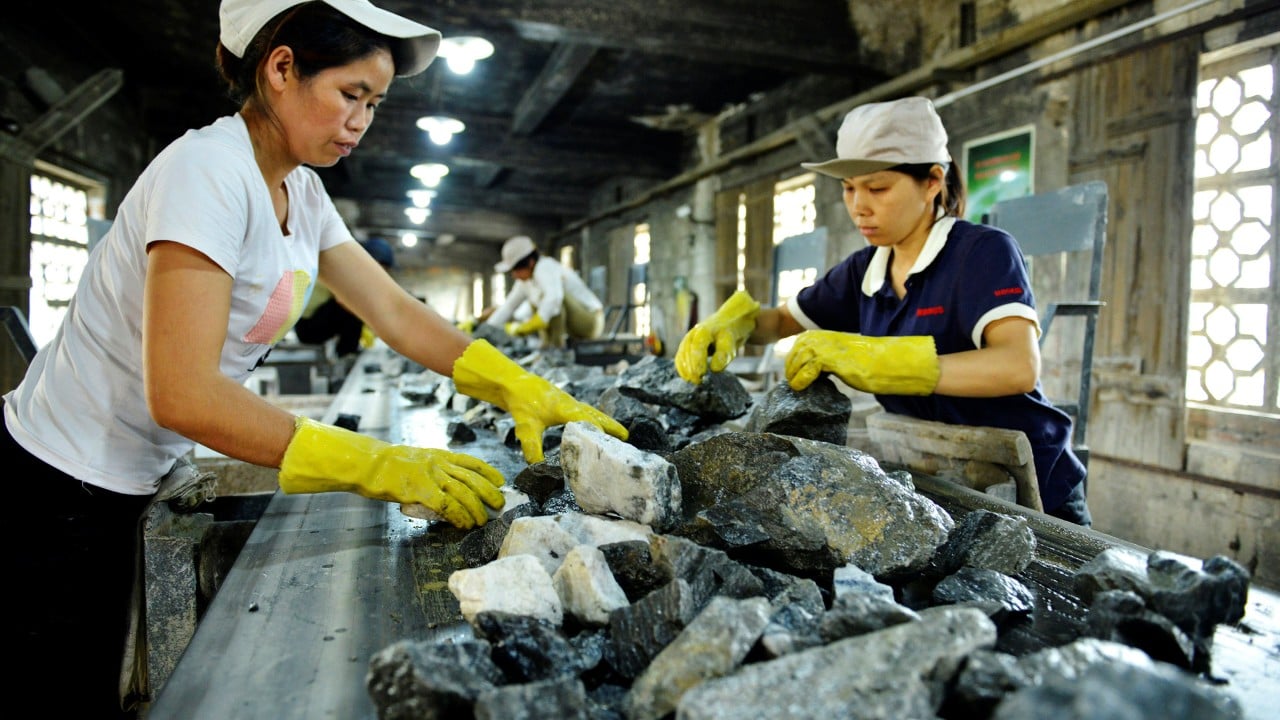
China's Tungsten Export Controls Ripple Through Global Supply Chains, From AI Chips to Weapons
China's 2025 export restrictions on tungsten have triggered price surges, potential production halts at Japanese semiconductor gas manufacturers, and a push to revive domestic mining in the United States. Tungsten, of which China produces over 78 percent of global supply, is critical to both advanced AI chipmaking and military munitions. The disruptions are exposing deep vulnerabilities in Western and Asian supply chains for a material with few short-term substitutes.

Rain Delays Start of India vs Afghanistan 1st ODI in Dharamshala
Persistent drizzle has delayed the toss and cast doubt over the first ODI between India and Afghanistan at the Himachal Pradesh Cricket Association Stadium in Dharamshala. The meteorological department issued an orange alert for June 12 warning of thunderstorms and hail across parts of Himachal Pradesh, with a 60–70% chance of showers forecast throughout the day. The delay threatens what would have been a historically significant match — the first-ever bilateral ODI series between the two nations.