Arab parties Hadash, Ta'al, Balad move forward with joint electoral slate, leaving Ra'am's status uncertain
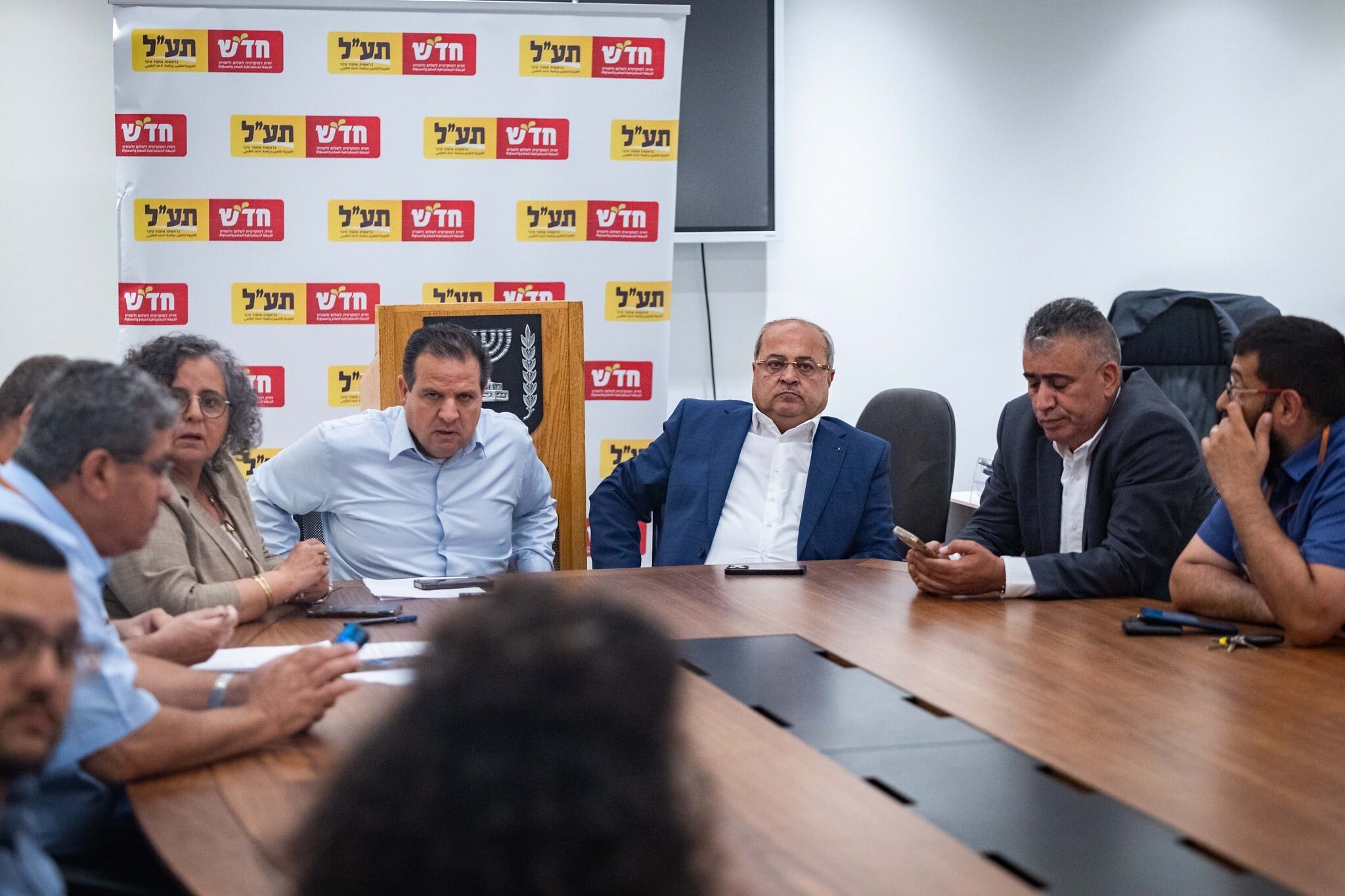
Hadash, Ta'al, and Balad announced they will move forward with reestablishing the Joint List electoral slate without Ra'am, after negotiations with the Islamist party broke down. The four parties had committed in January to reuniting, but months of talks stalled over Ra'am's demands, including that the other parties not oppose any government Ra'am chooses to join. A fragmented Arab vote risks fewer total seats for Arab parties, with polls showing a united slate could win 12–15 seats compared to fewer if they run separately.
Three of Israel's four major Arab-majority parties — Hadash, Ta'al, and Balad — announced Wednesday they will proceed with reestablishing the Joint List electoral alliance without Ra'am, led by MK Mansour Abbas, ahead of national elections expected no later than October 27, 2026. Hadash stated the parties could no longer remain in 'a state of waiting and uncertainty,' while leaving the door open for Ra'am to join at a later stage and pledging to pursue surplus vote-sharing agreements regardless. Negotiations collapsed primarily over Ra'am's demand that the other parties commit not to oppose or bring down any government Ra'am chooses to join — a condition the other three parties rejected as an infringement on their political independence. The four parties had signed a unity commitment in January following mass public pressure, but talks repeatedly stalled over the nature of the alliance and Ra'am's coalition ambitions. Polls indicate a united four-party slate could win 12–15 Knesset seats, while a split would yield fewer seats for each faction. The Joint List was first formed in 2015, fractured when Ra'am joined the Bennett-Lapid coalition in 2021, and collapsed further when Balad ran alone in 2022. The breakdown also complicates the broader opposition's arithmetic, as most anti-Netanyahu parties have ruled out partnering with Arab parties in a future coalition.
What's missing
It remains unclear whether Ra'am has publicly responded to Hadash's announcement or offered its own account of why talks failed. Additionally, the conditions under which Ra'am might still join the slate before the deadline are not fully defined.
How coverage differed
The Times of Israel provided more granular detail on the specific sticking points in negotiations — particularly Ra'am's demand that other parties not oppose governments it joins — and included broader political context about opposition leaders' rejection of Arab coalition partners. The Jerusalem Post focused more on the procedural timeline and Ra'am's stated openness to a technical bloc, framing the breakdown somewhat more neutrally as a 'setback' rather than emphasizing Ra'am's role as the obstacle.
What different sources said
- The Jerusalem PostRight
Arab parties move to reestablish Joint List without Ra’am after disagreements with Abbas
- Times of IsraelCenter
Arab parties Hadash, Ta’al, Balad announce joint electoral slate — without Ra’am
Related

Workers Begin Removing Trump's Name from Kennedy Center Facade After Court-Ordered Deadline
Workers started stripping President Trump's name from the exterior of the Kennedy Center in Washington overnight Friday into Saturday, hours past a court-ordered deadline of 11:59 p.m. Friday. The delay was attributed to nearby thunderstorms, and the Kennedy Center's board sought a 12-hour extension, which U.S. District Judge Christopher Cooper had already denied after rejecting the board's last-minute attempt to halt the order. The removal marks a significant legal rebuke of the Trump administration's effort to rename the historic performing arts venue, with a court ruling that only Congress has the authority to change the Kennedy Center's name.
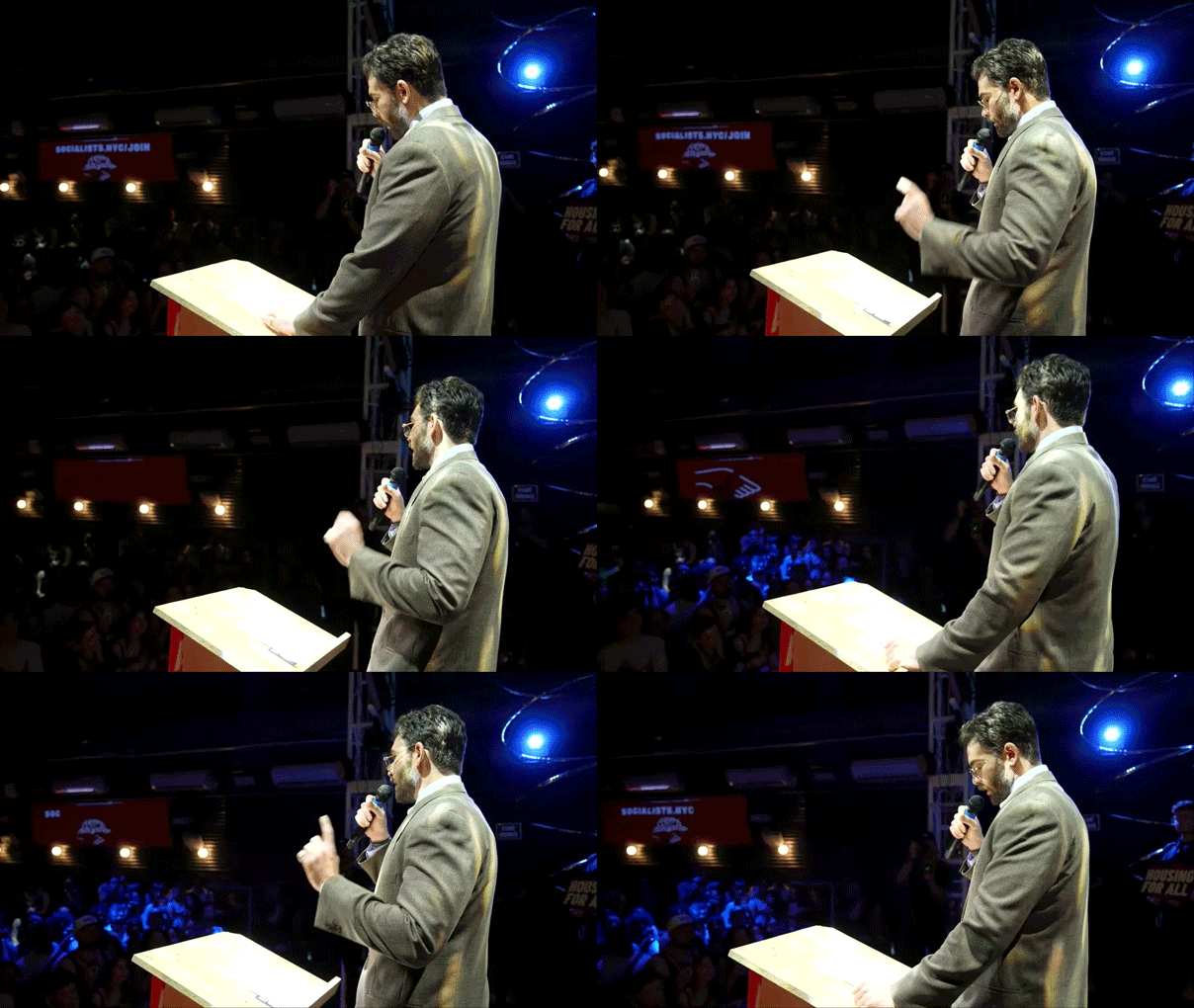
Hasan Piker Campaigns for DSA-Backed NYC Candidates, Sparking Debate Over Democratic Party Direction
Twitch streamer Hasan Piker rallied in Brooklyn for two Democratic Socialist of America-endorsed congressional candidates ahead of New York's June 23 primary, declaring the country is 'closer than ever' to socialism. The appearances come amid a broader debate within the Democratic Party over whether to embrace or distance itself from Piker, whose pro-Palestinian views and provocative statements have made him a polarizing figure. The controversy highlights a growing tension between the party's centrist establishment and its increasingly left-leaning base, particularly on foreign policy.
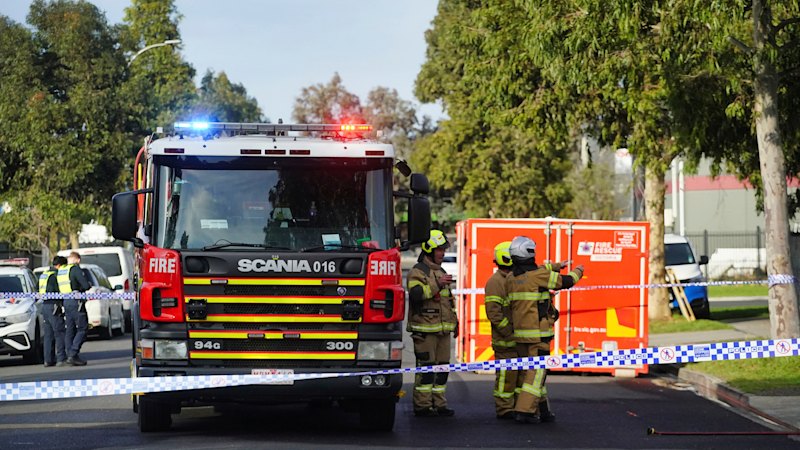
Fire Rescue Victoria Has Missed Emergency Response Targets Every Year Since 2020, With Outer Suburbs Worst Affected
Fire Rescue Victoria (FRV) has failed to meet its target of responding to 90 per cent of structural fires within seven minutes and 42 seconds in every year since its formation in 2020, with outer suburban areas recording the worst performance. The shortfall has come into sharp focus following the death of three-year-old Jordan Dashwood in a Werribee house fire this month, where the nearest FRV truck was committed to another incident and the first responders arrived well outside the benchmark time. The findings raise serious questions about whether the 2020 fire services restructure has been adequately resourced to protect Melbourne's rapidly growing outer suburbs.