American Evangelicals' Support for Trump and the Theological Justifications Behind It

The Atlantic examines why evangelical Christians, particularly white evangelicals, have overwhelmingly supported Donald Trump across multiple elections despite his personal conduct conflicting with traditional Christian values. Evangelical leaders like Robert Jeffress and Franklin Graham justify their support by framing Trump as a divinely chosen warrior fighting against secular, progressive forces they view as existential threats. This alignment reveals a decades-long shift in evangelical priorities toward a combative, authoritarian leadership style rather than traditional Christian virtues.
The Atlantic article explores the paradox of evangelical Christian support for Donald Trump, who has lived what the article describes as a "dissolute, hedonistic lifestyle" contrary to Christian teachings. Evangelical leaders justify their backing through a narrative of cosmic struggle against secular progressivism, positioning Trump as a divinely appointed warrior-protector rather than a moral exemplar. The article cites historian Kristin Kobes Du Mez's analysis that Trump didn't fundamentally change evangelical sensibilities but rather embodied pre-existing desires for a "rugged warrior-protector." The piece documents how evangelical leaders have repeatedly defended Trump's behavior—from his combative rhetoric to expletive-laden posts—by distinguishing between his role as president and his personal character. The article suggests that Trump's realignment on issues like abortion and judicial appointments, combined with his combative style, resonated with evangelicals seeking an aggressive champion against what they perceive as hostile secular forces.
What's missing
The article does not provide perspectives from evangelical Christians who oppose Trump or who struggle with supporting him, nor does it include voices from evangelical leaders who have publicly criticized Trump or distanced themselves from him. Additionally, the article does not explore potential counterarguments to the 'warrior-protector' narrative or discuss evangelical theological critiques of this framing.
What different sources said
- The AtlanticLeft
American Christians Face a Choice
Related
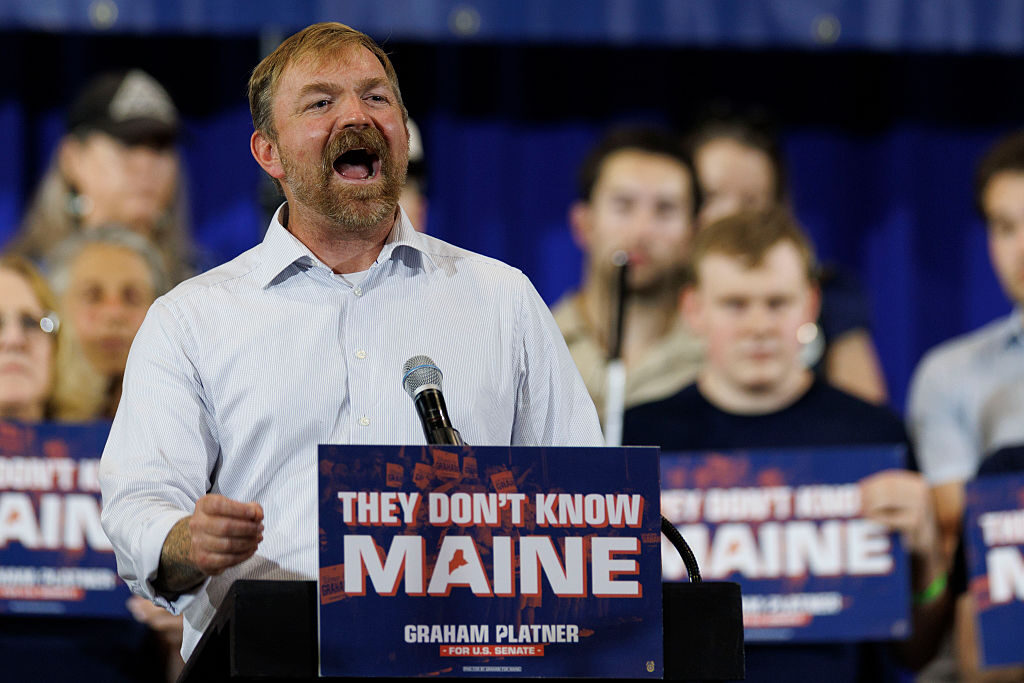
Halfway Through 2026 Primary Season: Six Key Takeaways from Congressional Races
Four more states held primaries this week, bringing the total to 26 states that have completed regular congressional primaries in the 2026 midterm cycle. Key patterns emerging include front-runners not always winning, House members struggling to advance to statewide office, and President Trump's endorsement record remaining largely successful despite low approval ratings. These trends are shaping the competitive landscape for the general election.
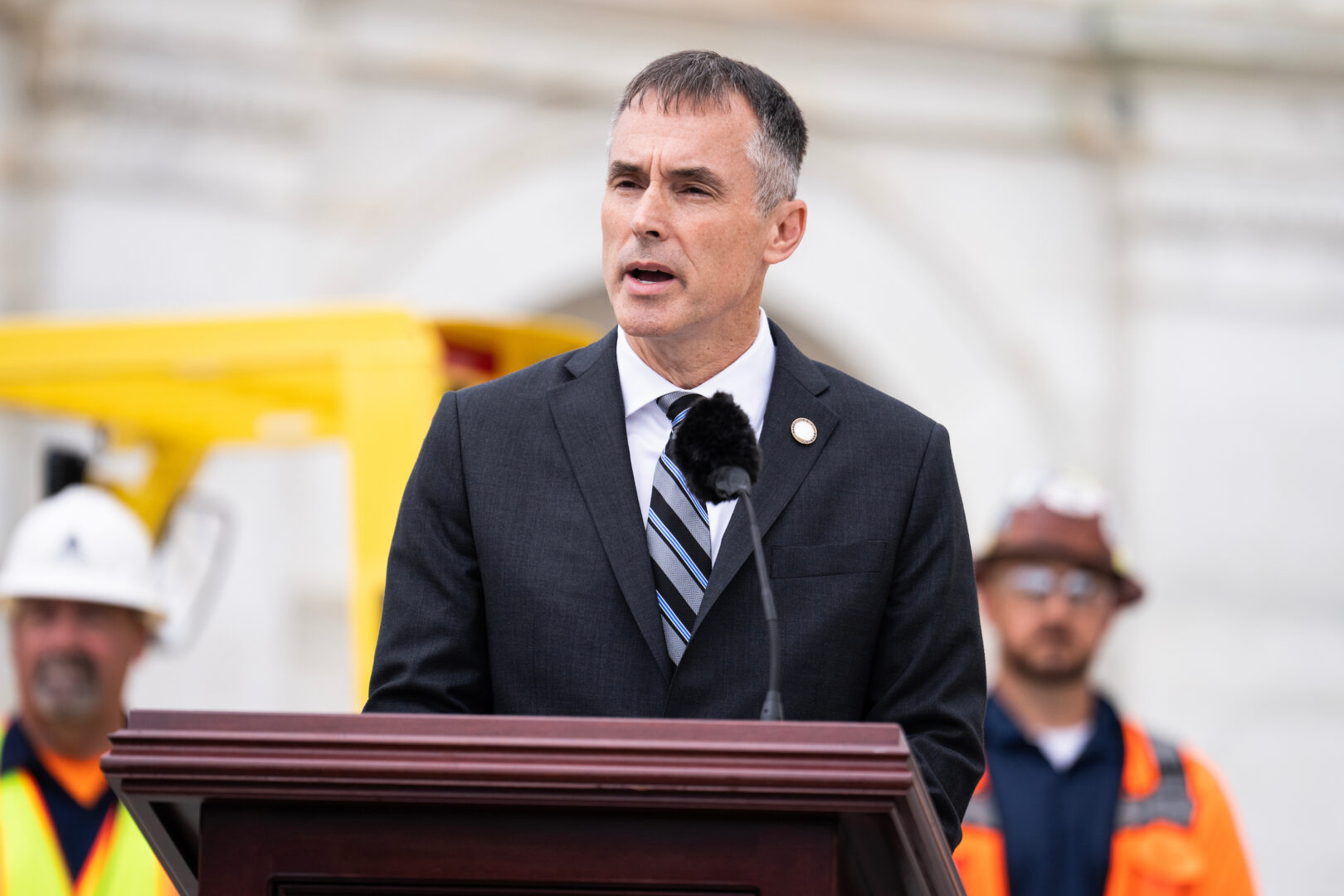
Congress Struggles to Build Support for $9 Billion Rayburn House Office Building Renovation
The Architect of the Capitol is pushing for a major renovation of the Rayburn House Office Building, which could cost $9 billion and last until 2045, but lawmakers remain hesitant to commit to the project. The building, constructed in 1965, is experiencing serious deterioration including 16 major leaks in the past year alone and risks of catastrophic system failure. The challenge reflects a broader political difficulty: Congress has historically been reluctant to fund its own infrastructure, with legislative branch spending averaging just 0.15 percent of total budget authority since 1976.

Study Finds College Faculty Lean Significantly Left, Raising Questions About Campus Ideological Diversity
A study commissioned by the Foundation for Individual Rights and Expression found that college faculty donors have an average ideology score of -1.02, comparable to Senator Bernie Sanders's -1.14, indicating strong leftward lean among faculty. The research cross-referenced over 100,000 faculty members with campaign contribution data, and separate surveys found only 20% of faculty believed a conservative scholar would be welcome in their department. The findings raise concerns about ideological diversity in higher education and its potential influence on student political attitudes.