Alternative shipping networks and covert oil transfers keep crude prices below $200 despite Middle East disruptions
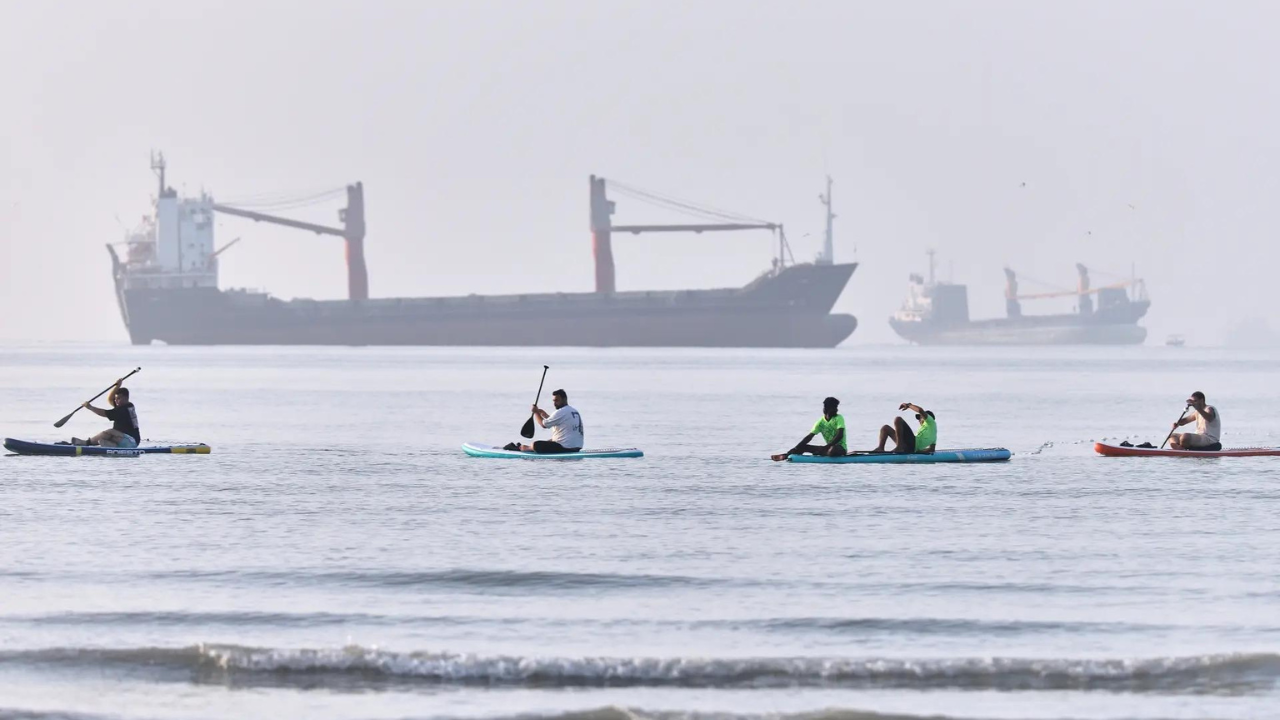
Oil prices have surged following Iran's closure of the Strait of Hormuz and a US naval blockade of Iranian ports, but have remained below the $200-per-barrel levels analysts feared. Maritime intelligence firms report that covert ship-to-ship transfers and alternative shipping routes—including clandestine "ghost" shipments and indirect trade corridors through Iraqi ports—are allowing crude and cargo to continue flowing despite the disruption. These hidden supply channels are helping stabilize global markets, though some analysts warn that depleting commercial inventories and emergency reserves suggest the current calm may be temporary.
Since March, when Iran closed the Strait of Hormuz following US-Israeli strikes, oil markets have experienced significant disruption compounded by a US naval blockade imposed in April. However, maritime intelligence firm TankerTrackers reports that alternative shipping networks have emerged to mitigate supply shortages, including covert ship-to-ship transfers of crude from Arab Gulf producers and indirect trade corridors routing cargo through Iraq's Umm Qasr port. According to Piper Sandler, approximately 900,000 barrels per day moved through clandestine routes in May, while JPMorgan estimates that covert shipments reached about 2.1 million barrels per day in late May. These hidden flows, combined with vessels paying tolls to Iranian-linked entities, have helped cushion the market impact and prevent crude from reaching the $200-per-barrel levels some analysts once predicted. However, experts caution that commercial inventories continue to fall and emergency reserves are being depleted, with Piper Sandler forecasting Brent crude to average $130 per barrel in coming months, suggesting current price stability may be temporary.
What's missing
The article does not provide independent verification of the specific volume figures cited (900,000 barrels per day via covert routes, 2.1 million barrels per day in late May) from sources other than Piper Sandler and JPMorgan. Additionally, the current date of the article is unclear, making it difficult to assess whether the predictions about future Brent crude prices have materialized or proven accurate. The article also does not detail the specific mechanisms by which vessels "switch off tracking systems" or the international legal frameworks governing such activities.
What different sources said
- Times of IndiaCenter
Secret routes & ghost tankers: Here's why crude hasn't hit $200 yet
Related
Trump's Middle East Conflict Adds $2.3 Million Daily to ACT Budget Deficit
Australia's ACT territory has seen its budget deficit balloon from $79.7 million to $323 million in 103 days, with higher energy costs and disrupted supply chains from the US-led Middle East conflict contributing approximately $2.3 million daily to the shortfall. The ACT Treasurer Chris Steel's 2026-27 budget assumes the conflict will settle and oil prices will decline, but economists warn these assumptions are uncertain. The deteriorating fiscal outlook poses risks for the territory's long-term economic stability and the Labor government's re-election prospects in 2028.

Japan Positioned as Asia's Top Contender for 2026 World Cup, Boosting Investor Interest
Japan enters the 2026 FIFA World Cup as Asia's highest-ranked team, generating investor optimism about a potential deep tournament run. The country's strong qualification positioning has drawn attention from financial markets, particularly in streaming, food and beverage sectors. A successful World Cup campaign could provide economic benefits through increased consumer spending and media engagement.
Petrol Company Settles Environmental Contamination Case for $2 Million After Collapse
Zoya Investments, a petrol station network operator, has agreed to pay $2 million to settle a lawsuit over environmental contamination at a Central Coast site that was supposed to become a hospital. The company's former directors were accused of selling off assets before the company's collapse in April 2024, though they deny wrongdoing. The settlement leaves creditors recovering only cents on the dollar, with one developer receiving just $300,000 of the $9.3 million it was owed.