AI-Driven Discovery Identifies Four Compounds Targeting Multiple Pathways for Hair Follicle Rejuvenation
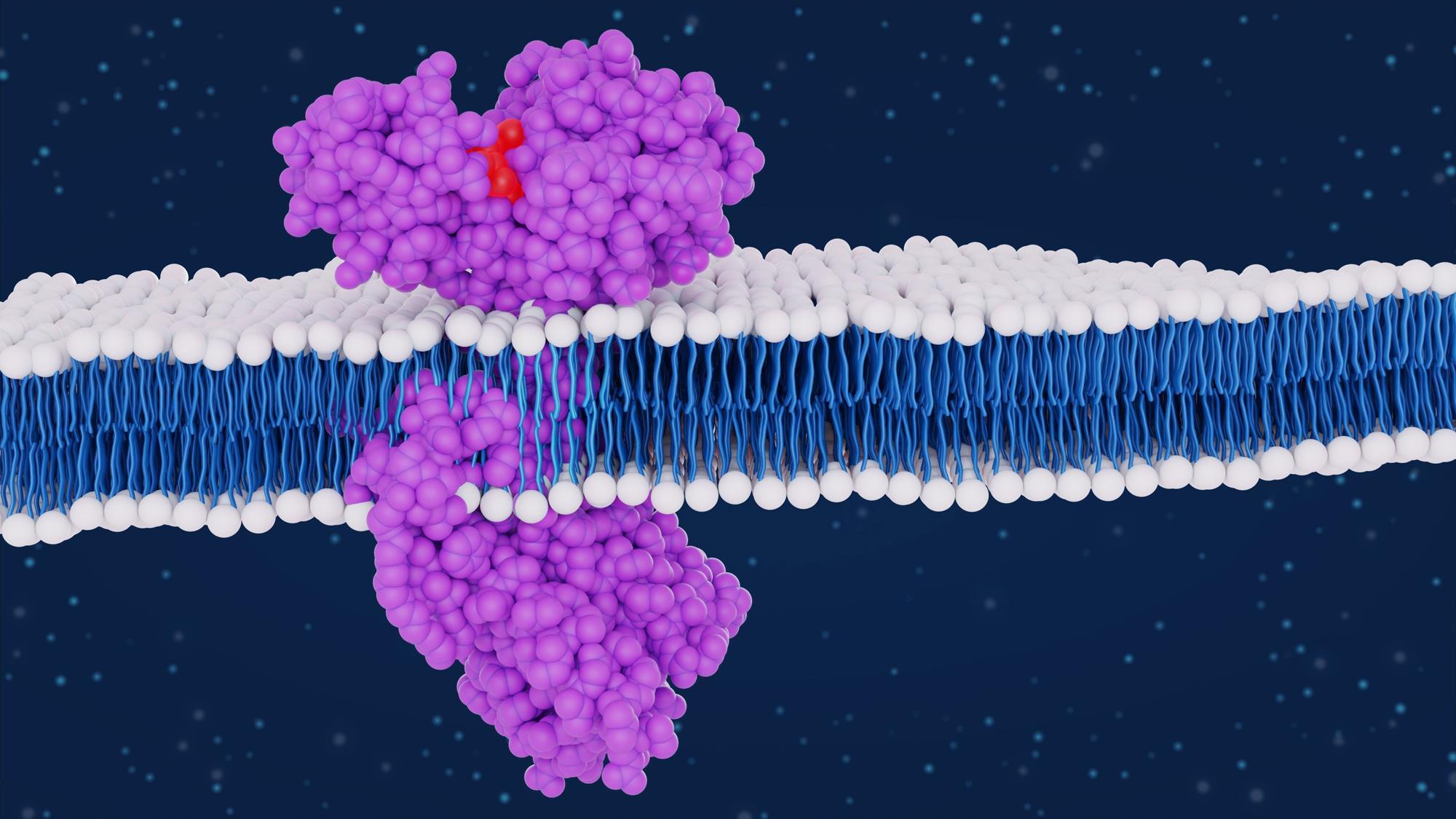
Two independent research groups have published AI-driven drug discovery frameworks — one identifying small molecules for hair follicle rejuvenation, the other designing miniproteins to selectively control G protein-coupled receptors (GPCRs). The hair follicle study used graph neural networks and structure-based virtual screening to find compounds inhibiting PHD2 and 5-alpha reductases, validated in 3D organoid models, while the GPCR study from the University of Washington used computational protein design to create sub-100-amino-acid proteins capable of activating or inhibiting specific receptors in living cells. Both advances illustrate how AI is expanding the frontier of precision drug discovery beyond what conventional screening methods can achieve.
Researchers have separately demonstrated two AI-enabled platforms with significant implications for drug development. In the first study, posted to bioRxiv, scientists used graph neural networks trained on phenotypic screening data combined with structure-based virtual screening to identify four lead compounds that promote hair follicle rejuvenation by increasing dermal papilla cell viability, stabilizing hypoxia signaling via PHD2 inhibition, and suppressing androgen-driven follicular miniaturization via 5-alpha reductase inhibition. RNA sequencing and 3D hair follicle organoid models confirmed pathway engagement and efficacy. In the second study, published in Nature, researchers from the UW Medicine Institute for Protein Design and Skape Bio designed miniproteins of fewer than 100 amino acids that can access deep pockets within GPCRs — receptors that account for a large share of approved drug targets — and selectively activate or inhibit them by recognizing specific receptor conformations. The team also developed a high-throughput screening platform that tests candidate proteins in living human cells with receptors in their native membrane environment, avoiding the distortions introduced by traditional purification methods. In a mouse model, one designed miniprotein performed comparably to a clinically approved drug while producing fewer side effects. Together, these studies highlight AI's growing role in identifying and optimizing therapeutics for complex, multi-pathway biological targets.
What's missing
The bioRxiv hair follicle study is a preprint and has not yet undergone peer review; no human clinical data are presented, and long-term safety or in vivo efficacy in animal models beyond the organoid system is not reported.
What different sources said
- bioRxivCenter
AI-enabled discovery of small molecules targeting complementary pathways for hair follicle rejuvenation
- Drug Target ReviewCenter
AI-designed miniproteins target GPCRs in drug discovery
Related
Gut Bacteria Enzyme Found to Break Down Heat-Processed Food Compounds, Producing Novel Biogenic Amines
Researchers have discovered that an enzyme in common gut bacteria can degrade N-epsilon-carboxymethyllysine (CML), a compound formed during thermal food processing, producing previously unknown biogenic amines. The enzyme, ornithine decarboxylase SpeC from enterobacteria, acts on CML and related modified lysine derivatives through a low-level 'underground' catalytic activity. This finding suggests a previously unrecognized communication axis between thermally processed dietary compounds and gut microbial physiology, with potential implications for host health.
Full-Length Gene Sequencing Reveals Two Distinct Bacterial Communities in Black-Legged Ticks Expanding Into Canada
Researchers used Oxford Nanopore full-length 16S rRNA gene sequencing to characterize the microbiome of Ixodes scapularis black-legged ticks collected in Nova Scotia, Canada, distinguishing between tick-adapted bacteria and environmentally acquired bacteria. The study comes as I. scapularis — the primary vector of Lyme disease — is rapidly expanding northward into Canada due to climate change. The findings suggest that environmentally derived bacteria in tick microbiomes are not mere contamination, which has implications for how tick microbiome data is collected and interpreted across surveillance studies.
Study Identifies Metabolic Link Between Cell Envelope Stress and Biofilm Formation in Bacteria
Researchers have discovered that the metabolite acetyl-CoA directly inhibits enzymes that degrade the bacterial signaling molecule c-di-GMP, connecting cell envelope biosynthesis stress to biofilm formation in Pseudomonas aeruginosa. The study found that sub-inhibitory concentrations of antibiotics targeting early peptidoglycan biosynthesis — but not other antibiotic classes — elevate c-di-GMP levels by reducing phosphodiesterase activity, with acetyl-CoA competing for the enzyme active site. Because the relevant enzyme domain is broadly conserved across bacterial species, this checkpoint mechanism may be widespread and could have implications for understanding antibiotic-induced biofilm responses.