AI-Designed Universal Coronavirus Vaccine Completes First Human Trial Successfully
A University of Cambridge team has completed the first human clinical trial of a vaccine whose active ingredient was designed entirely by artificial intelligence, finding it safe and capable of generating immune responses against multiple sarbecoviruses in 39 healthy volunteers. The AI analyzed genetic data from the entire sarbecovirus family — which includes SARS-CoV-2, SARS, and related bat coronaviruses — to identify conserved features and combine them into a single 'super-antigen,' delivered as a needle-free DNA vaccine. The milestone marks a potential shift from reactive, strain-specific vaccine development toward broadly protective, future-proofed immunization strategies that could help prevent the next pandemic.
Researchers at the University of Cambridge and spinout company DIOSynVax Ltd have published results from a Phase 1 clinical trial showing that an AI-designed 'super-antigen' coronavirus vaccine is safe, well-tolerated, and immunogenic in humans. The trial enrolled 39 healthy adults aged 18–50 at NIHR Clinical Research Facilities in Southampton and Cambridge, and the vaccine stimulated antibody responses against SARS-CoV-2, SARS, and related bat coronaviruses that have not yet infected humans. Rather than targeting a single circulating strain, the AI system scanned genetic surveillance data from the entire sarbecovirus family to identify evolutionarily conserved features unlikely to mutate away, then synthesized these into one antigen — the first time a computationally designed vaccine component has been tested in people. The vaccine was delivered as a DNA construct via a needle-free micro-fluid jet system, which researchers say could ease large-scale distribution, particularly in low-income settings with limited cold-chain infrastructure. However, both The Conversation and ScienceAlert note that immune responses in the trial were modest, the duration of protection is unknown, and it remains unclear whether boosters will be required. A larger Phase 2 trial is planned to assess immune responses in a broader population and confirm real-world protective efficacy. The researchers believe the same AI-driven platform could be applied to other virus families, including influenza and Ebola, potentially ending the cycle of annually updated vaccines.
What's missing
The trial was very small (n=39) with no placebo control arm reported, so it cannot establish comparative efficacy; T-cell and cellular immune response data were not discussed in the sources; and no correlates of protection against sarbecovirus infection in humans have been established, making it unclear what level of immune response would be clinically meaningful. The timeline and funding pathway to potential regulatory approval were not addressed.
How coverage differed
Science Daily emphasized the institutional and technological achievement, quoting multiple researchers and funders in an optimistic register, while ScienceAlert and The Conversation (sharing the same expert-authored text) provided more measured framing, explicitly flagging that immune responses were 'modest' and that 'a universal vaccine remains a few years away' — caveats less prominently featured in the Science Daily coverage.
What different sources said
- Science DailyCenter
AI-designed universal coronavirus vaccine passes first human trial
- News-MedicalCenter
Leading AI models ace many vaccine questions but falter on clinical rules
- The ConversationCenter
World’s first AI-designed vaccine explained
- ScienceAlertCenter
World's First AI‑Designed Vaccine Tested in Humans For The First Time
Related

Chicago Woman's Five-Year Symptom Journey Leads to Rare Brain Tumor Diagnosis
Melony Aponte, 26, was diagnosed with a 4.5-centimeter acoustic neuroma after five years of symptoms she attributed to stress, COVID-19, and aging. The rare, noncancerous tumor—affecting roughly one in 100,000 people—had grown large enough to compress her hearing and balance nerve before it was identified via MRI in March 2025. Her case highlights how acoustic neuroma symptoms can mimic common conditions, potentially delaying diagnosis for years.
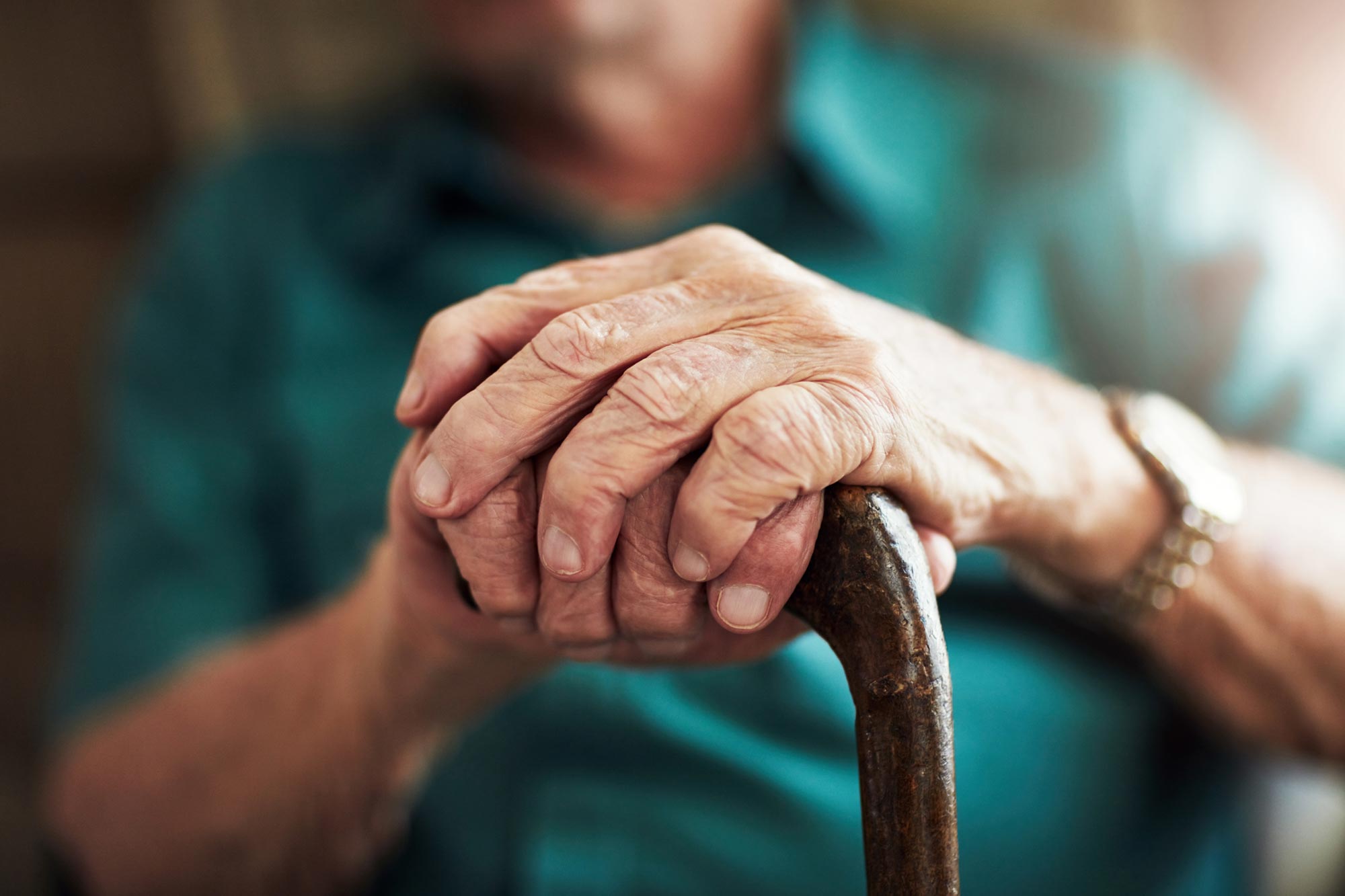
Study Finds Aging Shifts Walking Strategy Toward Stability at the Cost of Efficiency
A new study from Flinders University and the University of Canberra found that as people age, their bodies adopt a 'safety-first' walking pattern that prioritizes balance over efficient movement. Researchers analyzed gait data from 107 healthy adults aged 26 to 86, identifying increased ankle muscle co-contraction and reduced push-off power as key age-related changes. The findings suggest that fall prevention programs should target balance and coordination, not just muscle strength.

Tick Populations Surge in Urban Areas Across Northeast
Experts across the northeastern United States and Canada are warning of an unusually early and widespread tick season, with disease-carrying ticks increasingly found in urban parks and green spaces. Lyme disease cases in Canada reached a record 7,105 in 2025, up from 5,809 the previous year, while U.S. cities including Philadelphia, Pittsburgh, Washington D.C., and New York are reporting rising tick activity. The expansion poses a public health challenge because urban residents are less likely to take tick-bite precautions than those in rural areas.