Africa's Millionaire Population Grows Rapidly, But Wealthy Residents Often Move Capital Abroad
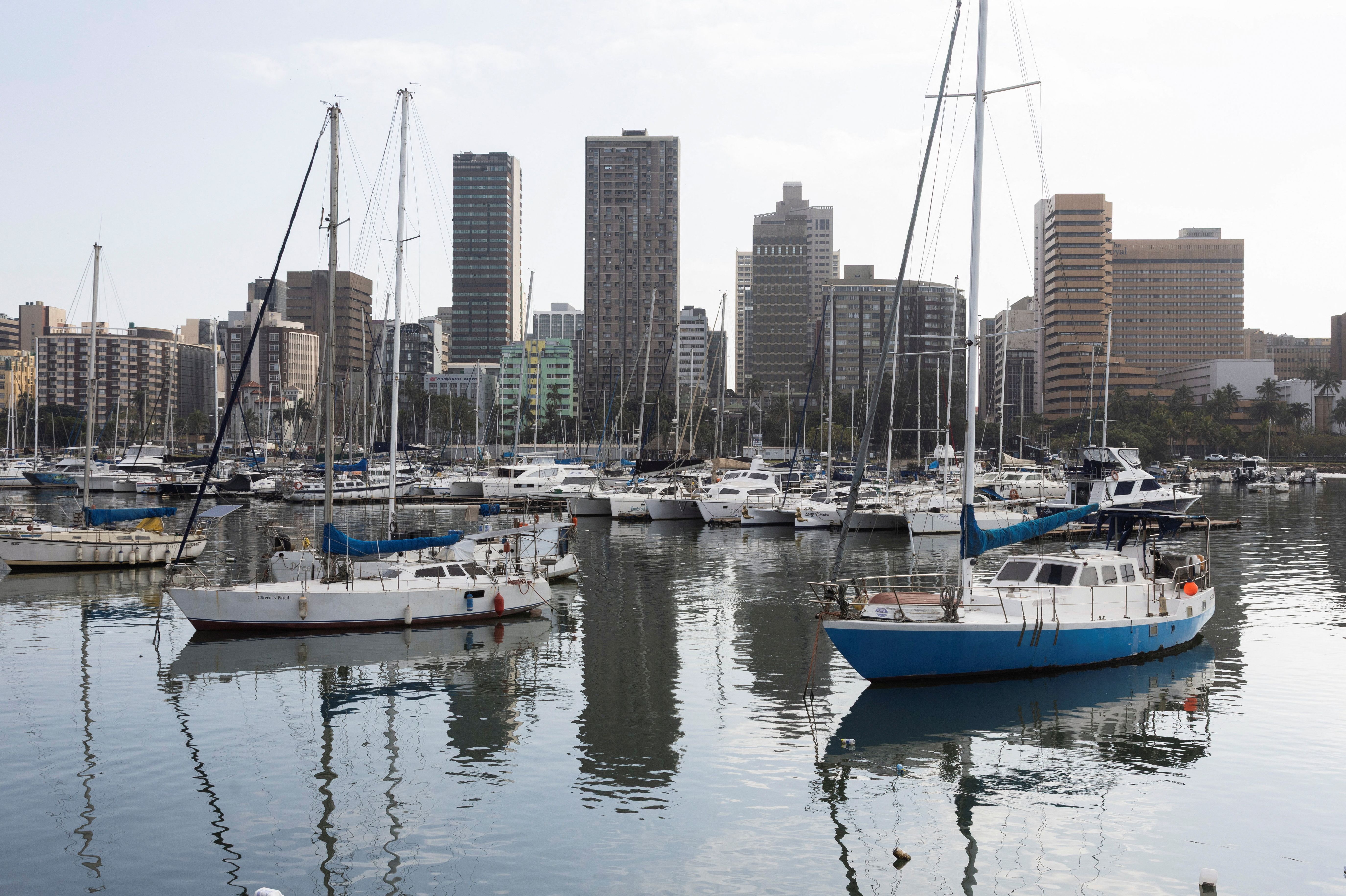
Africa's wealthy class is expanding faster than even the Gulf region, driven by rising commodity prices and private enterprise, according to Capgemini's World Wealth Report. However, wealthy Africans frequently move their capital offshore rather than reinvesting it domestically, reflecting concerns about currency weakness, limited financial infrastructure, and lack of stable investment opportunities. This capital flight represents a significant challenge for the continent's long-term economic development despite the growth in wealth creation.
Africa's millionaire population is growing at a faster rate than the Gulf region, according to Capgemini's World Wealth Report, fueled by rising commodity prices and resilient private enterprise. Morocco leads the continent with a 16.8% growth rate in millionaires, benefiting from economic diversification, rising property values, and a strengthening financial sector. However, the report reveals a critical paradox: wealthy Africans typically generate capital domestically but store it abroad, moving profits into hard-currency assets and offshore investments. A complementary Standard Bank report based on interviews with Africa's high-net-worth individuals indicates this behavior reflects a priority on wealth protection and stability rather than pessimism, as most African wealth creators are self-made entrepreneurs operating in volatile environments with weak infrastructure. Experts argue that reversing this capital flight will require Africa to develop stronger local financial services, wealth management infrastructure, and attractive domestic investment returns that make the continent appealing not just as a wealth source but as a safe place to grow it.
What different sources said
- SemaforCenter
The paradox of Africa's millionaire growth
Related

U.S. Markets Stage Rebounds Following Chip Stock Selloff
U.S. markets have rebounded twice following a dramatic Friday selloff in chip stocks, with gains at Monday's open and Tuesday afternoon. The Nasdaq 100 remains down 4.25% for the month despite the recoveries, and volatility has increased sharply. The pattern reflects the market's traditional 'buy the dip' behavior as investors resist giving up recent gains.
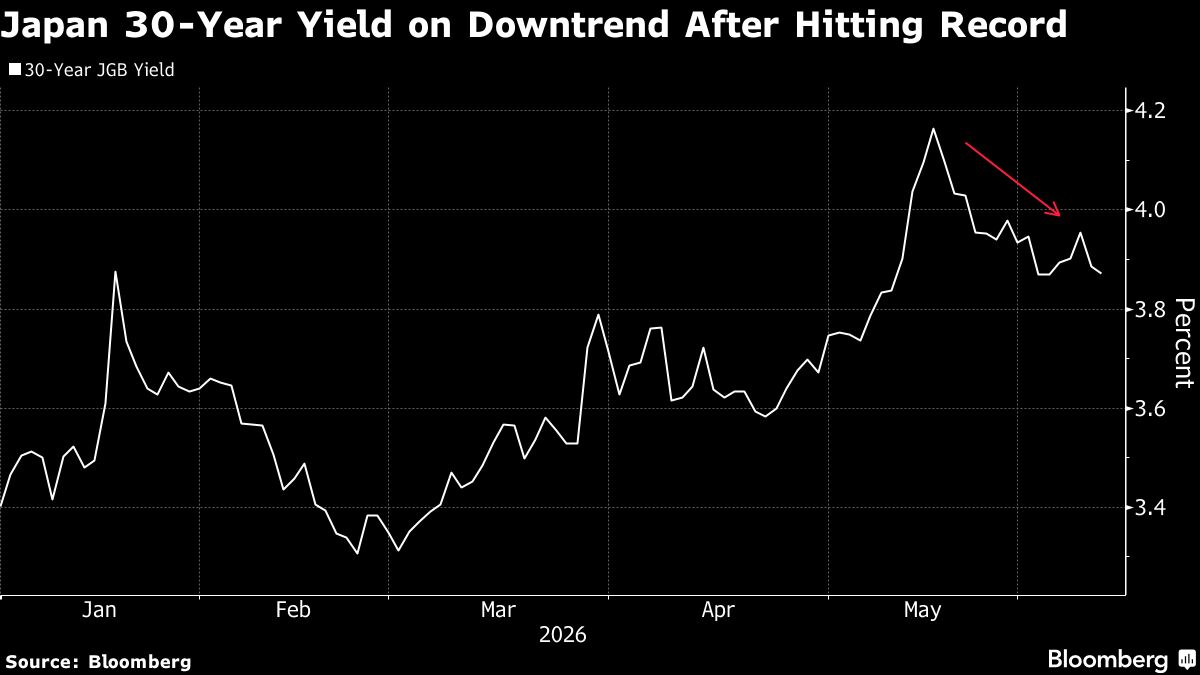
Japan's 30-Year Bond Auction Sees Weakest Demand in Over a Year
Japan's 30-year government bond auction on June 10, 2026 attracted the weakest demand since June 2025, with a bid-to-cover ratio of 2.94 compared to the previous 3.49. The decline reflects investor concerns over inflation and fiscal policy, as well as falling yields reducing appetite for the bonds. Weak bond demand can signal investor anxiety about Japan's economic outlook and fiscal sustainability.
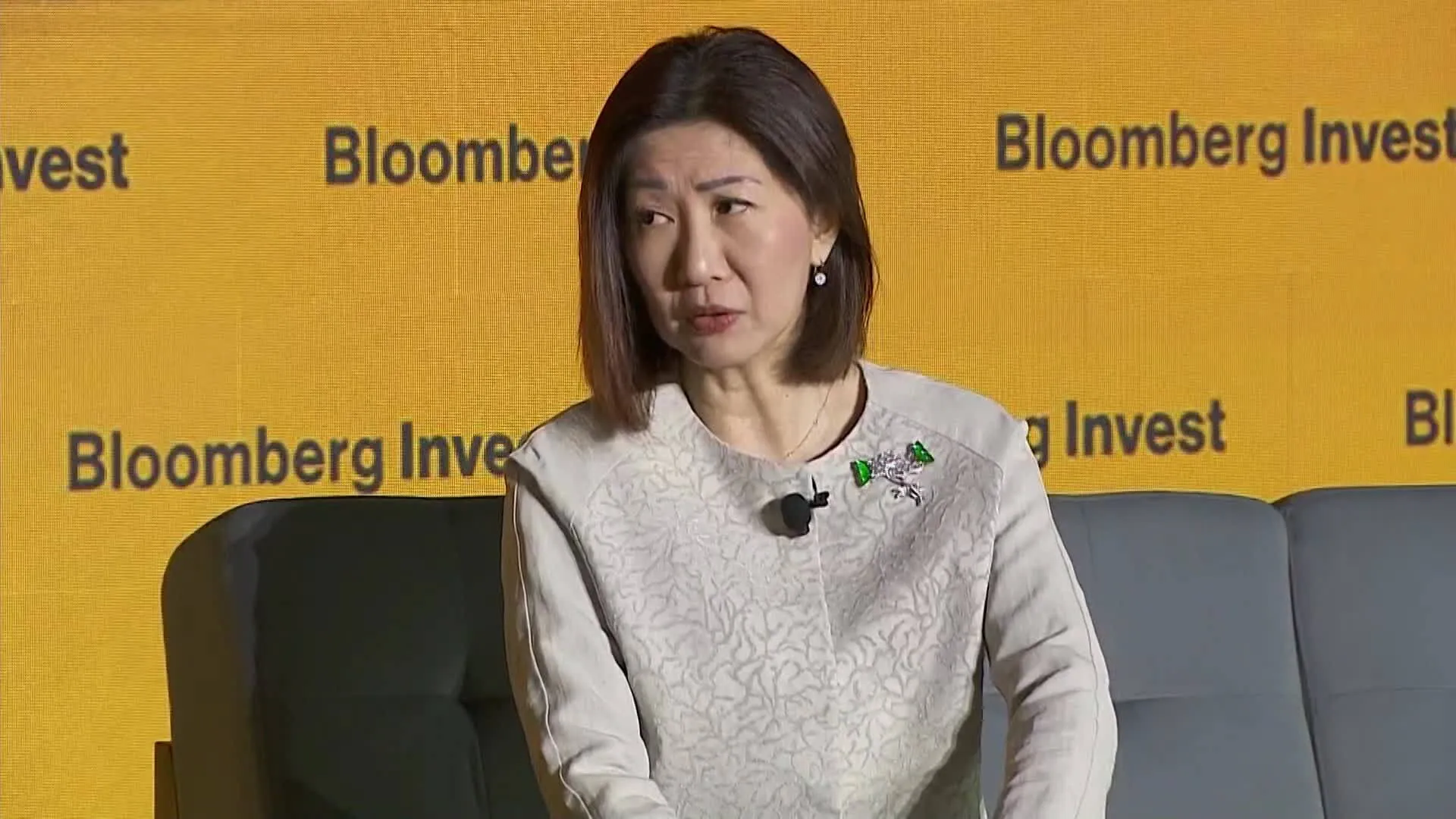
HKEx CEO Bonnie Chan Calls Potential SpaceX Listing an 'Exciting Deal'
Hong Kong Exchanges and Clearing (HKEx) CEO Bonnie Chan expressed enthusiasm about a potential SpaceX listing, describing it as an exciting opportunity. Chan highlighted that Chinese supply chains have broad coverage relevant to such a deal. The statement suggests HKEx's interest in attracting major space industry companies to its exchange.