2026 World Cup Overshadowed by Political Controversies and Logistical Issues
The 2026 FIFA World Cup, set to be hosted across Mexico, the US, and Canada, has been marked by numerous controversies including a newly created FIFA Peace Prize awarded to Donald Trump, visa disputes between Iran and the US, and complaints about ticket prices and train fares. Key context includes FIFA's stated commitment to human rights and political neutrality, which critics argue has been undermined by recent decisions. These issues matter because they threaten to overshadow the tournament and potentially affect participation and fan experience.
The 2026 World Cup has faced significant controversy during its build-up phase, with multiple sociopolitical issues dominating headlines. FIFA created and awarded a new Peace Prize to US President Donald Trump in December 2024, described as recognizing exceptional actions for peace, though this decision has drawn criticism for appearing to contradict FIFA's Human Rights Policy and political neutrality requirements. A formal complaint was filed by human rights nonprofit FairSquare requesting an investigation into FIFA President Gianni Infantino's alleged breach of statutory duty to remain politically neutral. Additionally, tensions between Iran and the US have created diplomatic complications, including visa restrictions that prevented Iran's football federation president from attending the World Cup draw, and subsequent threats from Iran to boycott the tournament. Other controversies include astronomical ticket prices, increased train fares, and various threats of boycotts from different parties. These accumulated issues have created what observers describe as a rocky road to what will be the largest World Cup in history.
What's missing
The article is incomplete—it cuts off mid-sentence when discussing 'a top envoy to Trump asked FIFA to replace Ira[n],' leaving the full nature of this request unexplained. Additionally, while the article mentions Australia providing humanitarian visas to Iran's women's football team members, the broader context of women's football team participation and any related controversies at the 2026 tournament is not fully developed.
What different sources said
- ABC AustraliaCenter
A peculiar peace prize, sky-high tickets, threatened boycotts. The rocky road to the World Cup
Related
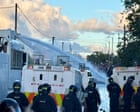
Police Deploy Water Cannons Against Anti-Immigration Rioters in Northern Ireland
Police used water cannons to disperse approximately 300 rioters near Belfast on Wednesday night, the second consecutive evening of anti-immigration protests following a knife attack on Monday. The unrest was triggered by a severe injury to a man in a knife attack in north Belfast, which sparked protests targeting ethnic minorities and migrant accommodation. The escalating disorder has prompted condemnation from Stormont officials, who warned that rioters are exploiting public anger for destructive purposes.
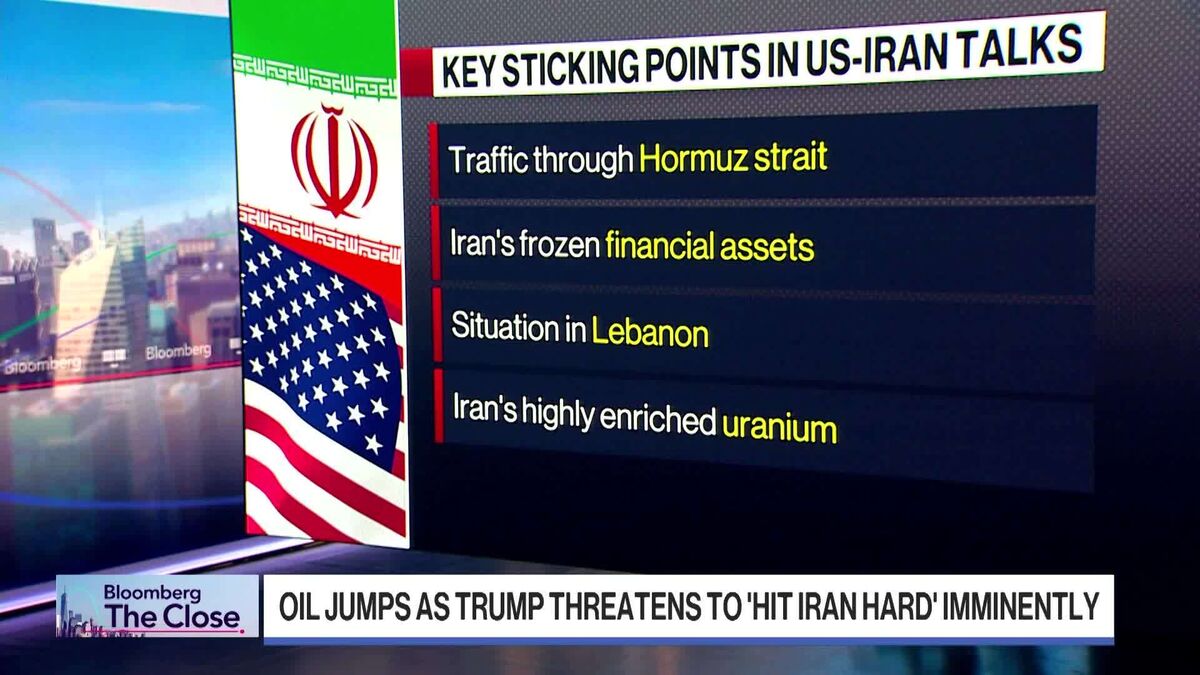
Retired General Kimmitt Characterizes Middle East Tensions as 'Diversions' Amid Oil Price Surge
Oil prices rose approximately 2% following escalated US threats against Iran after stalled peace negotiations. Retired Brigadier General Mark Kimmitt, a former Assistant Secretary of State for Political Military Affairs, appeared on Bloomberg to analyze the shift in US military posture. The assessment suggests ongoing Middle East tensions may be strategic distractions from broader geopolitical concerns.
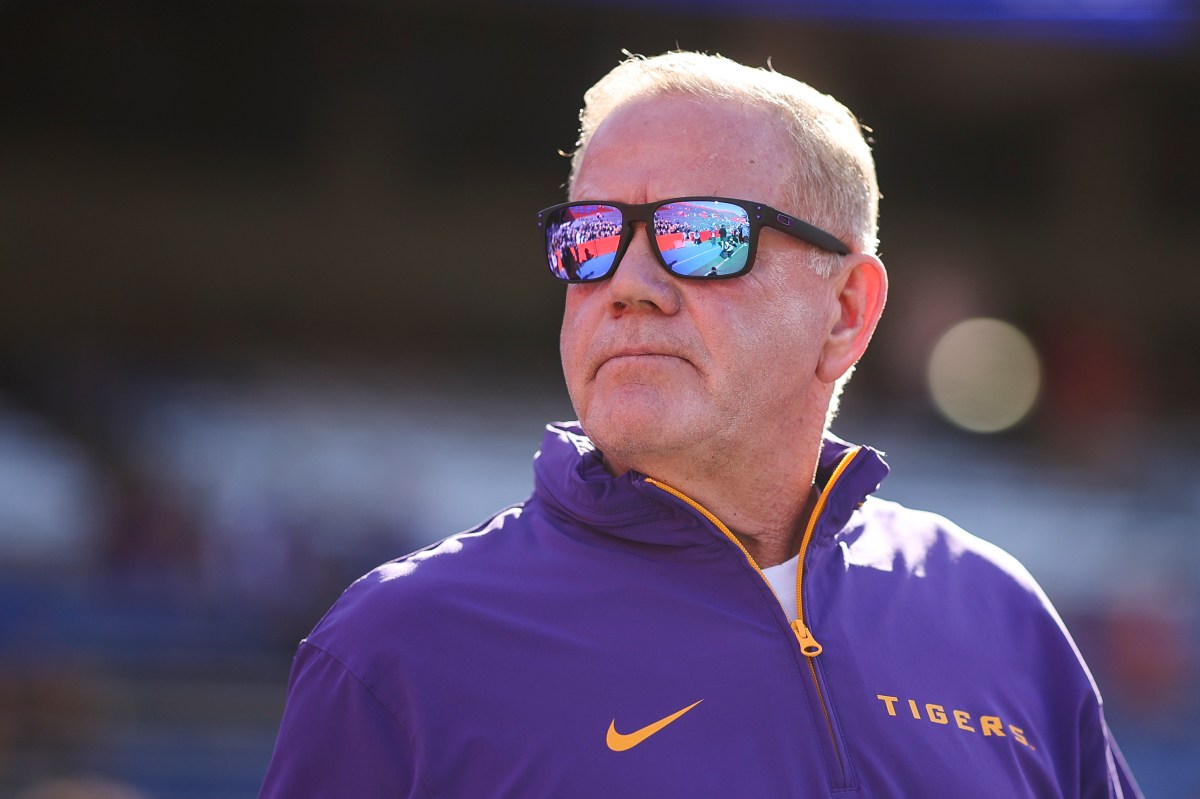
Brian Kelly Consulting with Memphis Football After LSU Firing
Former LSU head coach Brian Kelly is working as an unpaid consultant for Memphis Tigers football, helping the program explore ways to move into a power conference. Kelly was fired from LSU eight months ago and replaced by Lane Kiffin, who signed a $91 million contract. The consulting role keeps Kelly connected to college football while he pursues opportunities for another head-coaching position.