2026 FIFA World Cup Expected to Boost Soccer Participation in United States
The 2026 FIFA World Cup has officially begun across the United States, Canada, and Mexico, with the US hosting matches at venues including SoFi Stadium in Los Angeles and MetLife Stadium in New Jersey. While fan festivals, sold-out pre-tournament friendlies, and record jersey sales signal growing enthusiasm, many Americans remain distracted by other sports — particularly the NBA Finals — and high ticket prices have shut out many would-be attendees. The tournament is widely seen as a potential turning point for soccer's long-term cultural foothold in the US, echoing the legacy of the 1994 World Cup.
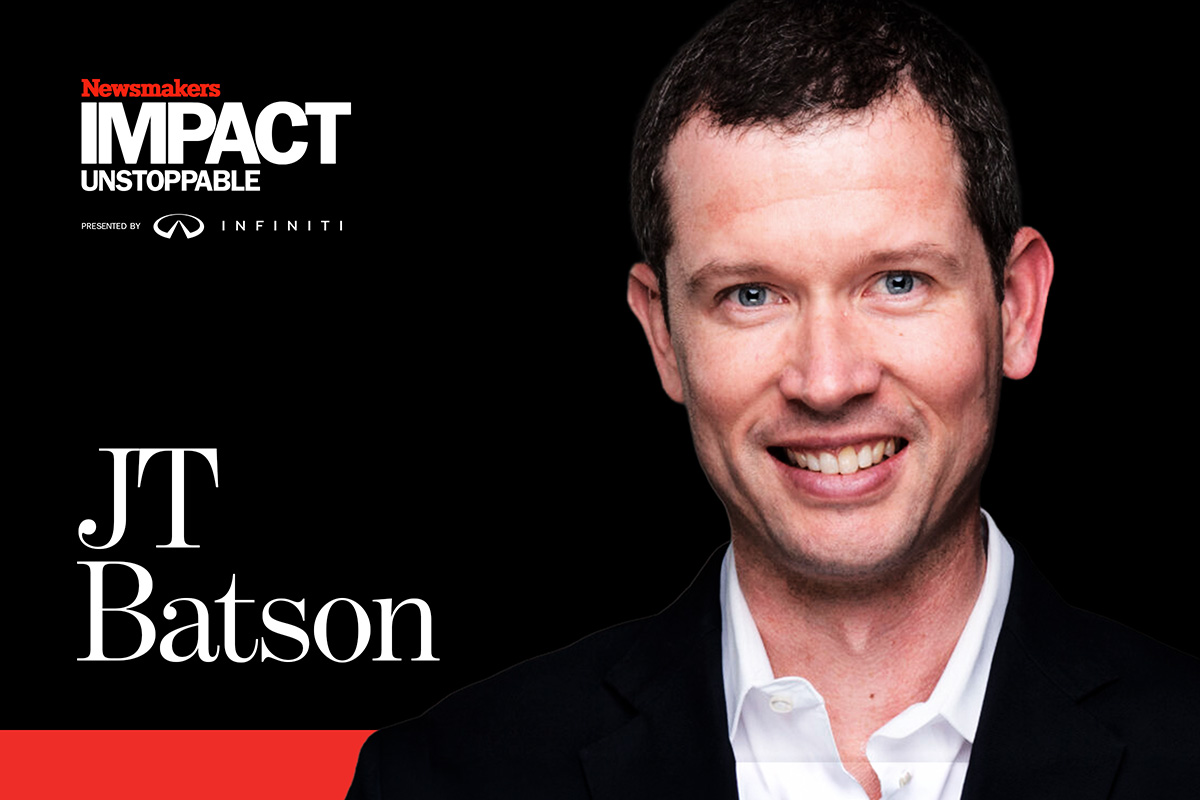
The 2026 FIFA World Cup, co-hosted by the United States, Canada, and Mexico, has kicked off with 104 matches scheduled between June 11 and July 19. Fan festivals in Los Angeles drew large crowds, including a public screening of Mexico's opener against South Africa, while pre-tournament events such as an 88,000-strong crowd watching Argentina beat Iceland 3-0 in Auburn, Alabama, demonstrated pockets of intense enthusiasm. However, reporting from New York and Los Angeles found that casual Americans were often unaware of or indifferent to the tournament, with the New York Knicks' NBA Finals run dominating local attention. Ticket prices — with the cheapest US opener seats reportedly around $1,120 — have been a major flashpoint, drawing criticism from fans and supporter groups alike, while transportation costs in several host cities have added to affordability concerns. US Soccer Federation CEO JT Batson framed the tournament as a catalyst for long-term growth, pointing to initiatives like the Soccer at Schools program and Places to Play infrastructure investment, as well as record jersey sales with Nike. Soccer legend Landon Donovan drew parallels to his own experience attending the 1994 World Cup as a child, arguing that home hosting creates a uniquely powerful inspiration for the next generation, with stars like Christian Pulisic serving as role models. On the field, the USMNT enters with cautious optimism under coach Mauricio Pochettino, having shown flashes of quality but also inconsistency in recent friendlies, with analysts suggesting a round-of-16 exit is the realistic expectation.
What's missing
No source addresses what specific on-field results or tournament stage would be required for US Soccer to consider the men's team performance a success by its own internal benchmarks.
How coverage differed
The Daily Wire piece was a personal, patriotic essay that wove World Cup excitement into a broader celebration of conservative America, referencing Republican congressional wins, military operations, and declining DEI as part of the same positive national moment — framing absent from all other outlets. BBC Sport and TribLIVE took a more skeptical tone on American public enthusiasm, emphasizing how many residents were unaware of or uninterested in the tournament, while US Soccer CEO Batson's Newsweek interview and the CNA report were more optimistic about grassroots growth and fan engagement.
What different sources said
- Times of IndiaCenter
How the 1994 FIFA World Cup changed soccer in America and why 2026 could be bigger
- NewsweekCenter
US Soccer CEO JT Batson on the FIFA World Cup: ‘Sustained Success’
- Daily WireRight
The World Cup Comes To The U.S. And Now Everyone Wants To Be American
- Channel NewsAsiaCenter
'Kids know Lamine as well as they know LeBron': World Cup excitement builds in the US
- BBC Top StoriesCenter
'There's a World Cup happening?' Are Americans excited about the tournament?
- CBS NewsCenter
How the World Cup is inspiring the next generation of players in the U.S.
- NYT USLeft
Excitement and Frustration Mix as the World Cup Comes to America
- TribLIVE.comCenter
Mark Madden: The World Cup has landed in the U.S., but where’s the hype?
Related
UNRWA Fires 70 Gaza Staff Members, Denies Terminations Validate Hamas Allegations
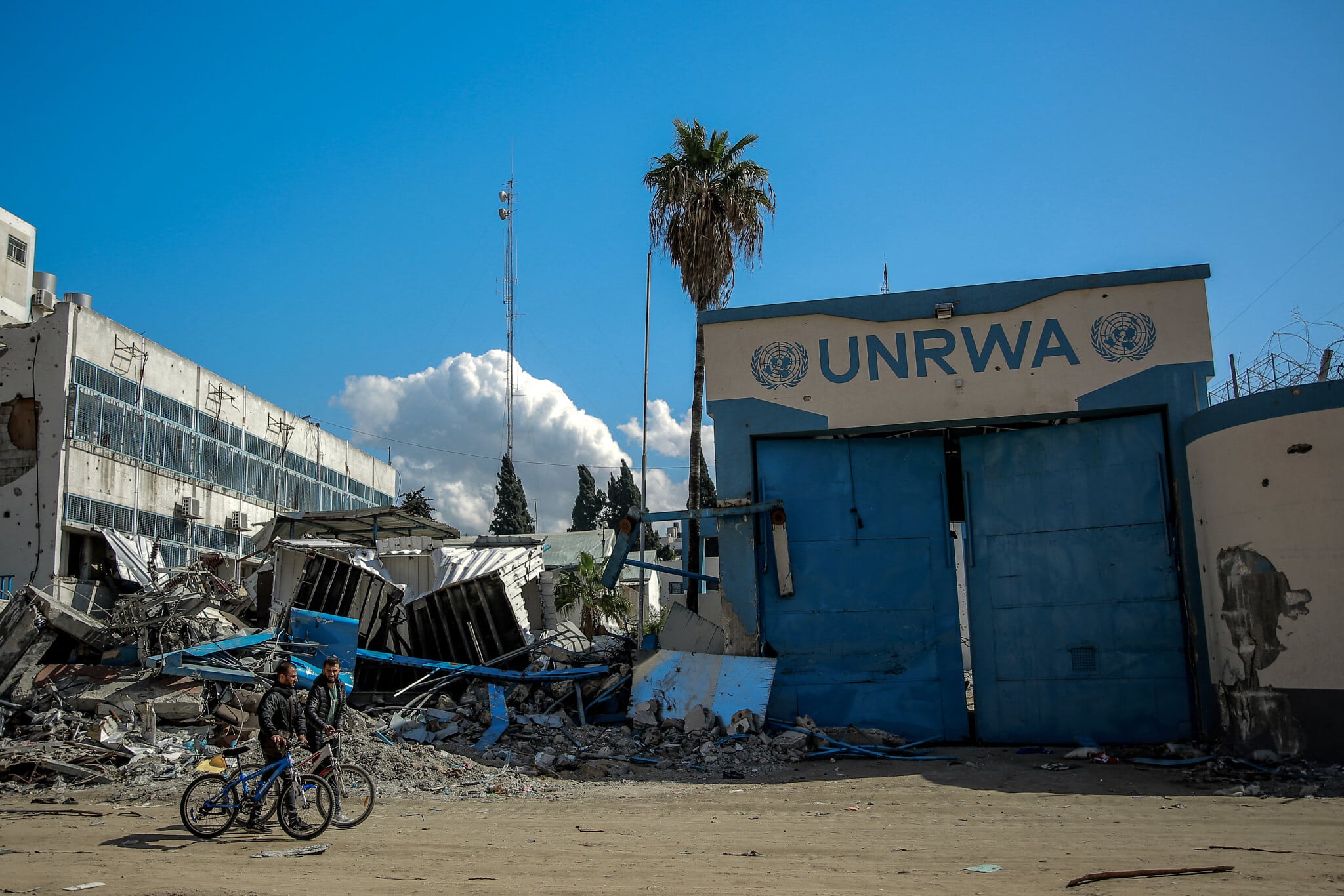
The UN agency for Palestinian refugees, UNRWA, has dismissed 70 employees in Gaza with immediate effect, citing safety and security risks. The move follows a USAID investigation that referred over 100 UNRWA staff for suspension or dismissal, and longstanding Israeli allegations that significant portions of the agency's workforce have ties to Hamas. The firings mark a significant but contested step in addressing accusations that have dogged the agency since the October 7, 2023 attacks, while UNRWA insists the dismissals are not an admission of guilt.
China's Tungsten Export Controls Ripple Through Global Supply Chains, From AI Chips to Weapons
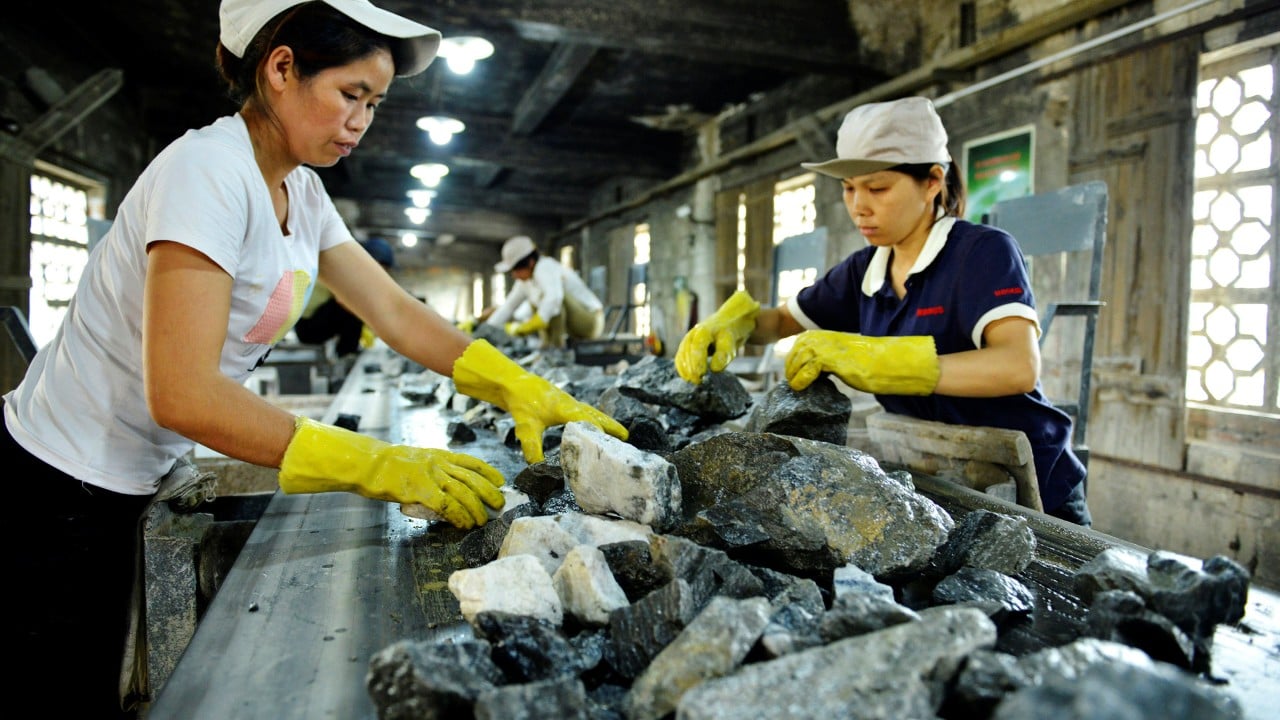
China's 2025 export restrictions on tungsten have triggered price surges, potential production halts at Japanese semiconductor gas manufacturers, and a push to revive domestic mining in the United States. Tungsten, of which China produces over 78 percent of global supply, is critical to both advanced AI chipmaking and military munitions. The disruptions are exposing deep vulnerabilities in Western and Asian supply chains for a material with few short-term substitutes.

Rain Delays Start of India vs Afghanistan 1st ODI in Dharamshala
Persistent drizzle has delayed the toss and cast doubt over the first ODI between India and Afghanistan at the Himachal Pradesh Cricket Association Stadium in Dharamshala. The meteorological department issued an orange alert for June 12 warning of thunderstorms and hail across parts of Himachal Pradesh, with a 60–70% chance of showers forecast throughout the day. The delay threatens what would have been a historically significant match — the first-ever bilateral ODI series between the two nations.